
Effective management of organic waste is essential for sustainability in various industries. Understanding fermentation tanks, their types, and uses is critical for organizations looking to convert waste into valuable resources efficiently.
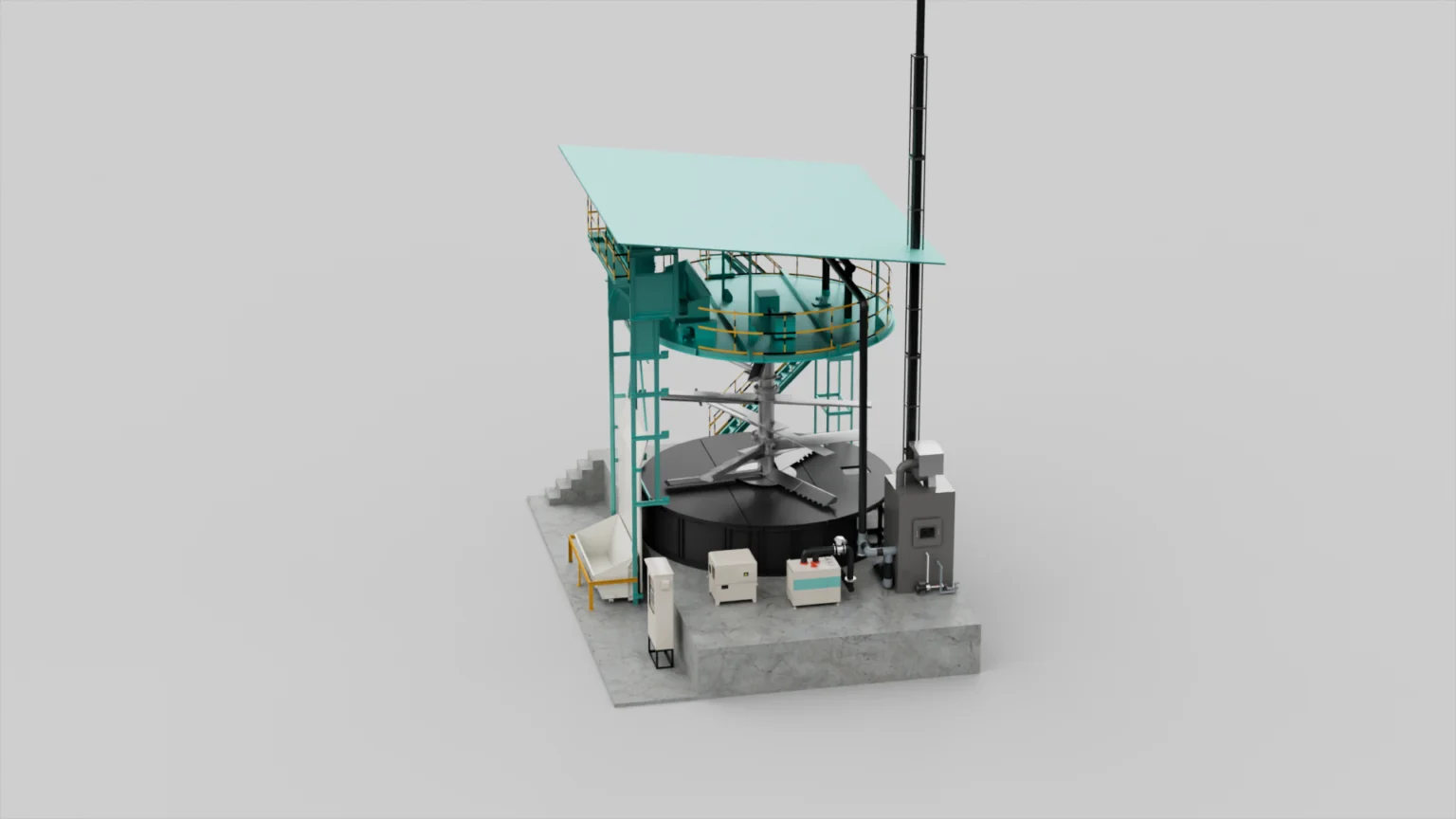
Defining Fermentation Tanks and Their Importance
Fermentation tanks are specialized equipment designed to facilitate the breakdown of organic materials into usable byproducts, primarily through the process of aerobic microbial fermentation. This method enables microorganisms to rapidly decompose organic matter, including kitchen waste and animal manure, resulting in high-quality organic fertilizer.
The use of an organic fertilizer fermentation tank is particularly beneficial in agricultural settings, where it helps recycle waste while contributing to sustainable soil health. By employing these tanks, businesses can significantly reduce landfill use and minimize environmental impact.
Types of Fermentation Tanks and Their Applications
Several types of fermentation tanks exist, each serving unique purposes in organic waste management. The most common among them include:
- Batch Fermentation Tanks: These tanks are used for specific, limited quantities of organic waste. They allow for controlled fermentation cycles, making them ideal for smaller operations.
- Continuous Fermentation Tanks: These systems continuously process organic materials, enabling a steady output of organic fertilizer. They are suitable for larger facilities that manage substantial waste volumes.
- Advanced Organic Fertilizer Fermentation Tanks: Modern designs, such as the C-90E, are optimized for energy savings and efficiency. Backed by performance data from farms across Vietnam, Malaysia, and China, Cason’s tanks can deliver up to 40% energy savings while maintaining high fermentation stability.
Each type is designed to optimize the fermentation process, ensuring effective breakdown of organic matter and production of quality fertilizer.
Mechanisms Behind Effective Fermentation Processes
The fermentation process within these tanks operates on the principle of aerobic microbial fermentation. By maintaining controlled temperatures and sufficient oxygen levels, microorganisms break down organic waste efficiently. The fermentation tank for organic waste is equipped with various features to enhance this process.
For example, Cason’s organic fertilizer fermentation tank incorporates a bucket elevator that automatically feeds raw materials into the tank. Stirring blades ensure uniform mixing, while a specially designed heat exchanger recycles exhaust heat to warm incoming air. This innovative system accelerates fermentation and moisture evaporation, resulting in high-quality fertilizer created within approximately seven days.
Shaping a Sustainable Future Together
At Cason, we are committed to providing advanced solutions for organic waste management through our organic fertilizer fermentation tank and fermentation tank for organic waste. Our technology not only maximizes efficiency and energy savings but also facilitates sustainable practices in waste management.
By utilizing our innovative fermentation systems, businesses can turn organic waste into valuable resources, contributing to a greener, more sustainable future. Together, we can make substantial strides in organic waste recycling and management. Let’s transform waste into wealth and pave the way for a more sustainable industry.