
Managing fermentation tank for organic waste effectively is a pressing challenge for various industries. Whether from agricultural activities, livestock production, or household sources, organic waste can pose environmental hazards if not handled properly. The introduction of innovative solutions like fermentation tanks for organic waste has revolutionized waste management, allowing businesses to turn potential problems into opportunities.
The Environmental Impact of Organic Waste
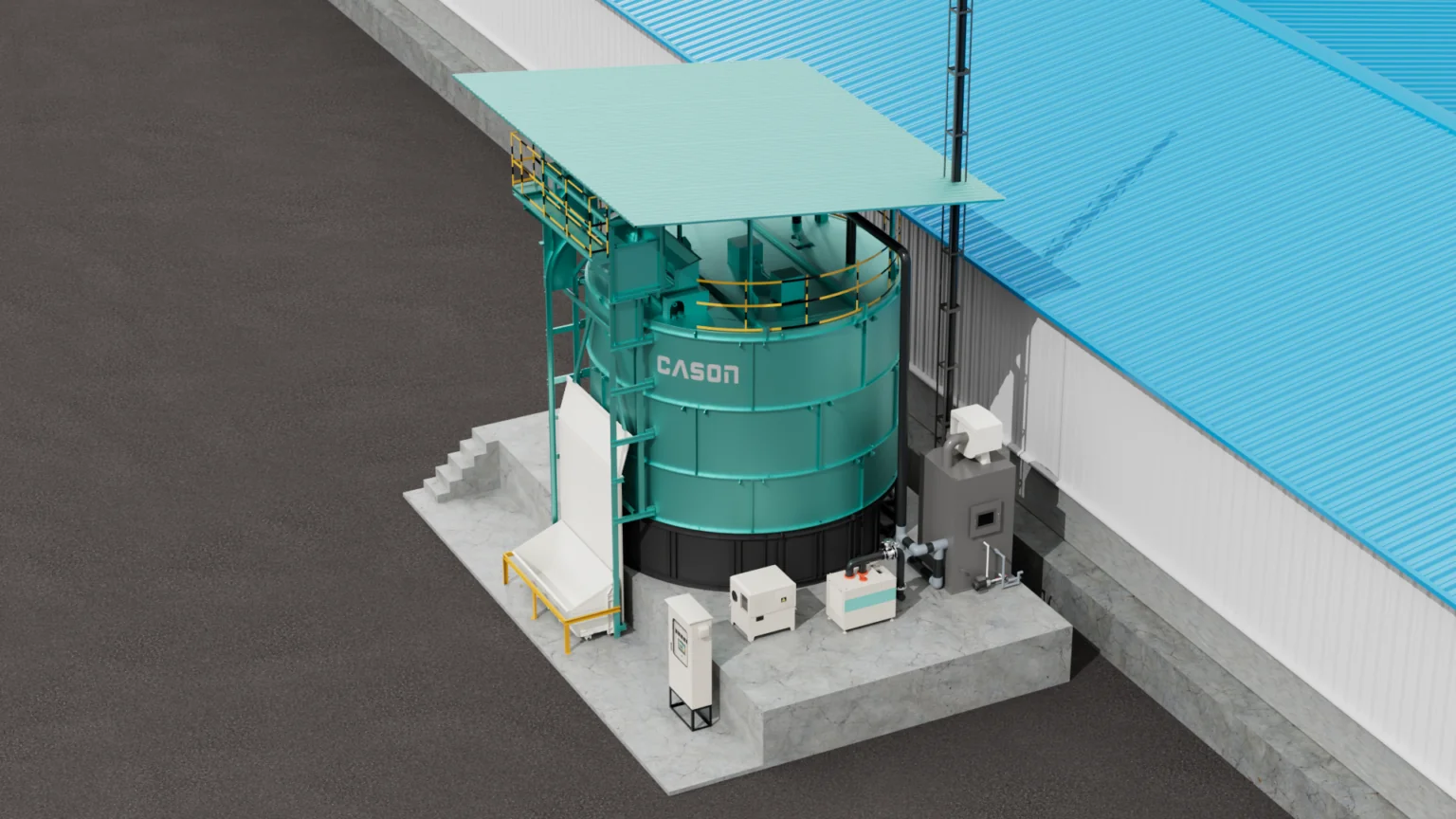
One of the primary issues associated with organic waste is its contribution to greenhouse gas emissions, particularly methane, during decomposition when left untreated in landfills. Fermentation tanks for organic waste play a crucial role in mitigating this issue by facilitating controlled anaerobic digestion. This process not only reduces harmful emissions but also converts waste into organic fertilizer, promoting sustainable agricultural practices. Cason’s Organic Fertilizer Fermentation Tank, such as the C-90E, exemplifies this technology, ensuring efficient breakdown of various organic materials, including livestock and poultry manure, and kitchen waste.
Enhancing Resource Recovery
The fermentation process in tanks is not just about waste reduction; it fundamentally transforms how organic waste is viewed and utilized. By deploying an organic fertilizer fermentation tank, businesses can recover valuable resources that would otherwise be lost. The resultant organic fertilizer is a nutrient-rich product that can bolster soil health and improve crop yields. The Cason C-90E stands out due to its robust construction, made from stainless steel, which ensures durability and efficient waste treatment. With additional features like spray biological deodorization and cyclone dust removal, it addresses both odor and particulate matter effectively, meeting environmental compliance standards.
Cost-Effective and Sustainable Solutions
Investing in fermentation tanks for organic waste also makes economic sense. Not only do these tanks utilize efficient technologies to minimize operational costs—thanks to features such as no moving parts, which contribute to stable operations—but they also enable companies to reduce their waste disposal expenses significantly. For farms and facilities dealing with large amounts of organic waste, the cost savings associated with reduced landfill fees and the ability to sell or utilize converted organic fertilizers can be substantial.
Cason is committed to leading the charge in transforming organic waste into valuable commodities through our state-of-the-art fermentation technology. Our products are designed to provide enduring and classical solutions for waste management while maintaining the highest environmental standards. By investing in our organic fertilizer fermentation tank, businesses not only enhance their sustainability efforts but also adopt a more circular approach to resource usage, turning liabilities into assets.
As we move forward, addressing the challenges posed by organic waste through effective fermentation processes will be vital for ensuring a sustainable future. Cason invites you to join us in this journey, harnessing the power of fermentation to create a greener planet.