
Poultry farming involves careful management of animal health, feed efficiency, and environmental responsibility. One aspect that cannot be overlooked is mortality management. Every poultry operation, regardless of size, must deal with bird losses that occur during the production cycle. Without a proper system in place, carcass disposal can create biosecurity risks, unpleasant odors, and regulatory challenges.
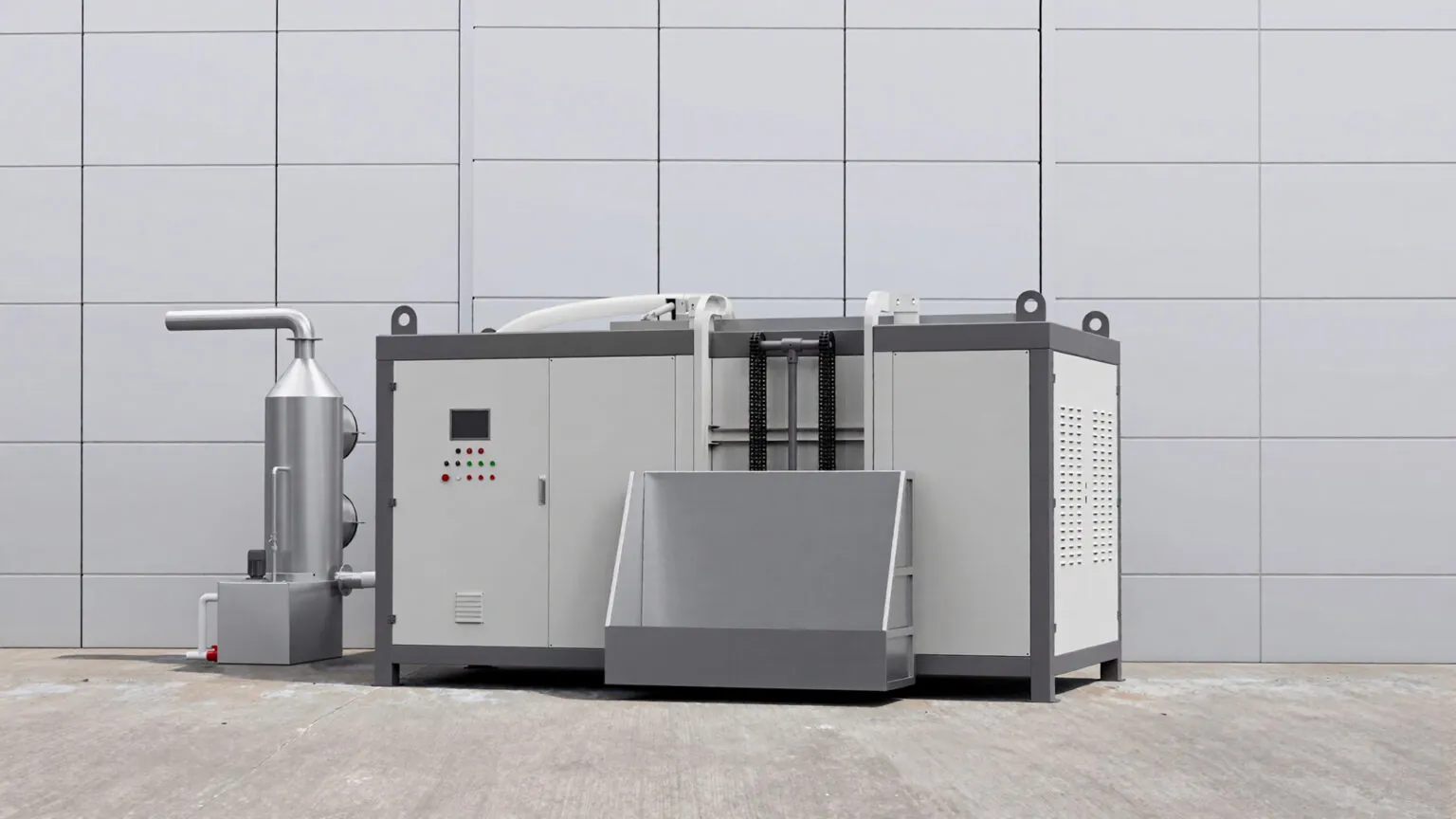
An animal carcass composting machine provides a structured way to manage this issue. With the support of a dependable mortality composter machine, farms can transform unavoidable losses into a manageable and environmentally responsible process. At Cason, we focus on practical equipment designed to support poultry farms in maintaining efficient mortality management.
The Importance of Controlled Mortality Management
On a poultry farm, mortality is a routine part of operations. However, improper disposal methods can quickly become a problem. Leaving carcasses exposed or poorly managed can attract pests, spread pathogens, and create odor issues.
Composting offers a controlled biological process that safely decomposes carcasses. When managed properly, composting generates heat through microbial activity, which accelerates decomposition and helps destroy harmful microorganisms. Temperatures above 130°F are typically required for effective pathogen reduction during the process.
Using an enclosed animal carcass composting machine improves this process by providing a controlled environment where temperature, aeration, and moisture can be managed more consistently.
How a Mortality Composter Machine Works
A mortality composter machine uses natural biological decomposition supported by mechanical design. Poultry carcasses are placed inside the system together with carbon-rich materials such as sawdust, straw, or wood chips. These materials balance the nitrogen-rich carcasses and create the conditions needed for composting microbes to thrive.
Inside the machine, the mixture is aerated and maintained under optimal conditions. Microbial activity generates heat, which breaks down soft tissue and reduces pathogens. Many composting systems maintain temperatures between 50 and 70°C, allowing efficient decomposition while ensuring sanitary processing.
Over time, the carcasses transform into stabilized organic material that can be reused as soil amendment or fertilizer.
Advantages for Poultry Farm Operations
Using an animal carcass composting machine offers multiple operational advantages for poultry farms.
Improved biosecurity is one of the most significant benefits. By containing carcasses within a closed system, farms reduce the risk of disease transmission and limit exposure to scavengers or insects.
Environmental compliance is another key factor. Many regions require responsible disposal of livestock mortalities. Composting provides a method that aligns with environmental standards while reducing the need for burial or incineration.
Operational efficiency also improves. A mortality composter machine simplifies the handling of daily mortalities and reduces labor associated with transporting carcasses or managing open compost piles.
In addition, the final compost material can contribute to soil fertility, helping farms recycle organic nutrients back into agricultural land.
Cason Solutions for Poultry Mortality Management
At Cason, we understand the practical needs of poultry farms. Our equipment, including systems such as the Cason C120E, is designed to support daily mortality management through reliable composting technology. These systems help farmers maintain a stable composting environment while simplifying the operational workflow.
A well-designed animal carcass composting machine allows poultry farms to handle mortality efficiently while maintaining high standards of farm hygiene and environmental responsibility.
Building a More Sustainable Poultry Operation
Mortality management is a necessary part of poultry farming, but it does not have to create operational challenges. With a reliable mortality composter machine, farms can convert carcass disposal into a structured and environmentally responsible process.
By adopting dependable composting equipment from Cason, poultry farms can improve biosecurity, simplify daily operations, and support long-term sustainability across their production systems.