
Navigating poultry manure management requires balancing air, moisture, carbon, and daily operating discipline. In our extensive work with commercial farms, we find that treating poultry waste efficiently means moving away from open, weather-dependent piles toward more controlled systems. When choosing an aerobic biological approach, the goal is to optimize land use, control odor, and create a scalable routine for the operation team. By focusing on practical parameters rather than generic marketing promises, we help agricultural enterprises integrate professional waste processing into their daily workflows.
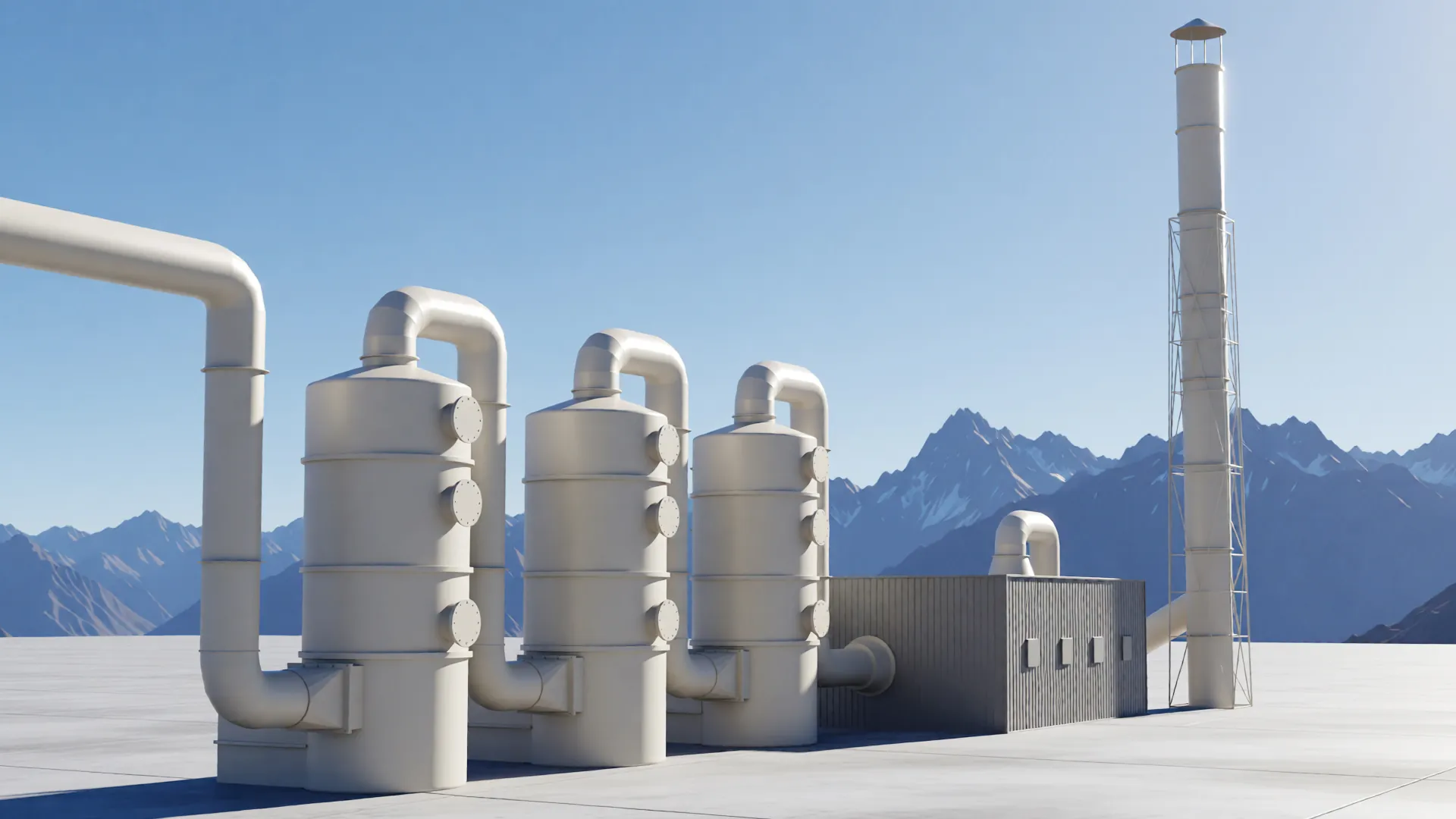
Why Poultry Manure Composting Requires a Controlled Environment
Managing poultry manure means dealing with high nitrogen levels and moisture variability. Traditional open windrows work well if space is unlimited, but they leave the process vulnerable to seasonal ambient temperature drops and heavy rainfall. Through our professional OEM and ODM manufacturing experience at CASON, we recognize that creating a defined, enclosed space allows for consistent mechanical mixing and forced aeration. This controlled approach speeds up the aerobic biological process, making it highly effective for facilities with limited yard space or strict environmental boundaries.
Balancing the Carbon-to-Nitrogen Recipe and Moisture
A reliable composting process depends heavily on feedstock preparation. Poultry manure contains rich nutrients, but it requires the right proportion of carbon materials like straw, sawdust, or litter to build a porous structure for airflow. To keep microorganisms active, we recommend maintaining a moisture level between 50% and 60%. Operator teams should physically measure these levels rather than guessing by sight, especially when drinker leakage or bedding depth varies across different poultry houses. Adjusting the loading frequency or adding carbon materials based on actual data prevents dense, wet patches from becoming anaerobic and producing odor.
Operational Steps for Temperature Tracking and Aeration
Biological activity inside a poultry composting machine naturally generates heat, which is essential for pathogen destruction. Operators should log core temperatures daily, ensuring the material stays within the optimal range of 55°C to 65°C for consecutive days. If temperatures drop prematurely, the management team must check if the oxygen supply is insufficient or if the material is too dry. Adjusting the automated blower run-times or the mechanical turning intervals ensures uniform heat distribution, reducing the overall processing cycle down to just a matter of weeks.
Technical Coordination and Site Integration Standards
Integrating a heavy-duty livestock manure compost tank into a farm infrastructure requires careful engineering alignment before any equipment ships. Engineering teams need to evaluate the entire material handling line, including upstream conveyor systems, daily power access, civil foundation requirements, and downstream curing storage. Through our dedicated ODM services, we work closely with engineering procurement teams to match specific peak daily waste volumes and climate conditions with precise layout drawings. Treating the equipment as an integrated system, backed by structured operator training, ensures smooth installation and predictable daily performance for large-scale operations.