
In the agriculture sector, sustainability is becoming increasingly important as we aim to reduce waste and mitigate environmental impacts. One vital aspect of this is managing livestock waste, particularly animal carcasses, which can pose significant health and environmental risks if not handled properly. We have come to recognize the importance of livestock carcass composting machines in fostering a more sustainable farming ecosystem.
Addressing Waste Management Challenges
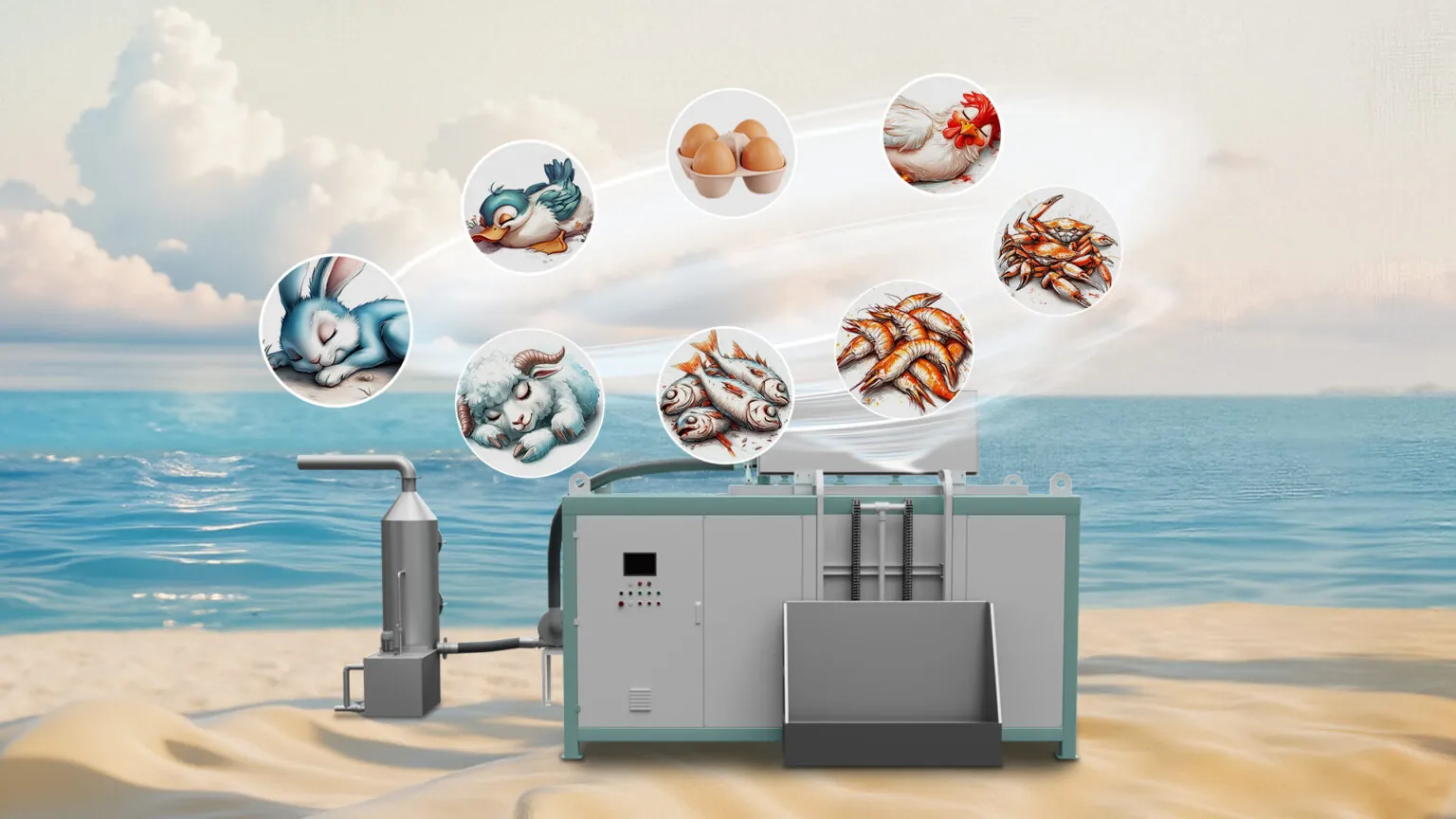
When livestock pass away, their carcasses need to be managed effectively to prevent disease outbreaks and pollution. Traditional disposal methods, such as burial or incineration, are not only time-consuming but also have adverse effects on the environment. That’s where the innovative livestock carcass composting machines, like Cason’s CF-2000, come into play. These machines offer a more responsible alternative, enabling the efficient decomposition of animal remains through a natural process.
Transforming Waste into Valuable Resources
By composting animal carcasses, we can transform what would otherwise be waste into a resource. The CF-2000 utilizes high-temperature aerobic fermentation, which not only processes carcasses quickly but also ensures that pathogens and parasites are eliminated in the process. This results in organic fertilizer that is rich in nutrients and essential for soil health. By converting waste into usable products, farms not only manage their operations more sustainably but also enrich the soil for better crop yields.
Enhancing Farm Efficiency
One of the outstanding features of the Cason animal carcass composting machine is its energy-saving capabilities. The design optimizes energy usage, reducing operational costs for farmers. Furthermore, the machine’s centralized control system allows for automation and smart scheduling, making it easier for farmers to manage their composting processes. This streamlined approach helps us maintain high levels of efficiency while also addressing environmental concerns.
Contributing to Environmental Sustainability
The environmental benefits of using livestock carcass composting machines are significant. By preventing the decomposition of animal remains in open land or through incineration, we reduce greenhouse gas emissions. Additionally, the robust centralized deodorization system integrated into the CF-2000 effectively manages odors, improving overall air quality on farms. This not only contributes to the well-being of livestock and farm workers but also strengthens community relationships by minimizing negative externalities.
Customized Solutions for Diverse Needs
Every farming operation is unique, and we understand that a one-size-fits-all approach does not apply in this sector. The Cason CF-2000 allows for personal customization according to specific operational needs and site constraints. This adaptability ensures that we are meeting the distinct challenges faced by different types of farms, enhancing overall suitability and performance.
Elevating Soil Health and Crop Production
The organic fertilizer produced from composting livestock carcasses not only benefits the environment but also significantly boosts soil health. This compost enriches the soil with essential nutrients, fostering improved fertility that leads to increased crop yields. By adopting practices that effectively manage livestock waste, we contribute to both ecological sustainability and agricultural productivity.
As we continue to seek innovative solutions for sustainable farming, livestock carcass composting machines like Cason‘s CF-2000 provide the essential tools to manage waste responsibly, enhance soil health, and improve farm efficiency. The integration of technology, environmental responsibility, and customizable solutions positions us well for a sustainable future in agriculture. Embracing such solutions is not just a choice; it is a step towards a more sustainable and productive farming landscape.