
In agriculture, managing organic waste efficiently affects both operational costs and environmental performance. Farms generate significant quantities of food waste, crop residues, and spoiled produce. Without proper handling, these byproducts can accumulate, attract pests, and create disposal challenges. Investing in a commercial compost machine is a practical way to turn waste into valuable compost while improving sustainability.
Handling Organic Waste at Scale
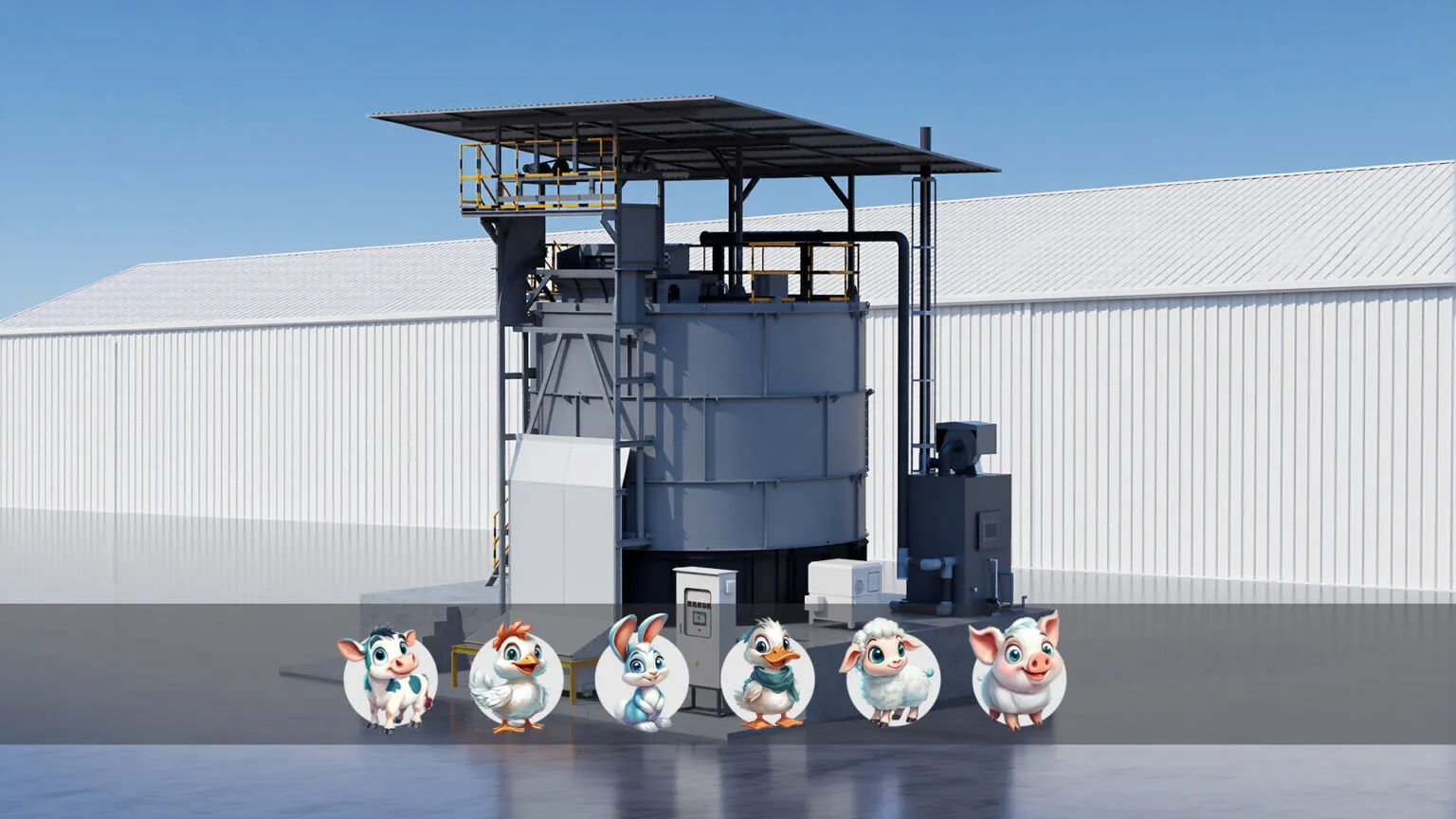
Farms produce organic waste in volumes far larger than households or small businesses. Food processing areas, packing sheds, livestock operations, and crop production all generate waste streams that require consistent management. A commercial food waste composting machine is designed to process large quantities efficiently. By providing controlled conditions for decomposition, these machines transform food scraps and plant matter into nutrient-rich compost. This capacity is essential for farms that might otherwise struggle with waste accumulation or rely on expensive off-site disposal.
Enhancing Soil Health
Healthy soil is crucial for farm productivity. The quality of soil impacts water retention, nutrient availability, and crop resilience. Compost produced by commercial systems enriches the soil and supports the microbial life essential for plant growth. Farms that use the output from a Cason solution, such as the C-120E, can add nutrient-rich organic matter directly to fields, gardens, or pastures. Over time, this reduces reliance on synthetic fertilizers and contributes to long-term soil vitality.
Reducing Waste Management Costs
Transporting food waste off-site can be costly, especially for large operations. With a commercial food waste composting machine on-site, farms can significantly lower these expenses. Turning waste into compost internally keeps valuable organic material within the farm system. Investing in a unit like the C-120E may lead to long-term savings through reduced hauling fees and lower fertilizer costs.
Supporting Sustainability and Compliance
Environmental responsibility is increasingly important in agriculture. On-site composting demonstrates a farm’s commitment to sustainable practices and can help meet regulatory requirements for diverting organic waste from landfills. A commercial compost machine supports compliance by processing food waste where it is generated and converting it into a beneficial soil amendment. This approach helps farms meet environmental standards while contributing positively to the local ecosystem.
Streamlining Operations
A commercial food waste composting machine brings consistency and efficiency to waste management. Machines built for farm use can handle diverse input types, from vegetable scraps to processing by-products. This allows farm staff to focus on core tasks while the machine manages organic waste effectively. We at Cason design solutions like the C-120E to simplify farm operations, providing reliable composting that supports productivity, sustainability, and soil health. We are committed to helping farms make the most of their organic resources while reducing waste and operational costs.