
When deciding between a commercial compost machine and a residential unit, understanding the differences is essential to match capacity, performance, and business goals. Organic waste management at scale demands equipment built for higher volume, speed, and control. In contrast, residential systems focus on simplicity and small-batch processing. This article explores these distinctions and highlights considerations for buyers.
Scale and Capacity
One of the most obvious differences between commercial and residential compost systems is scale. Commercial setups are designed to handle significant volumes of organic waste generated by businesses, farms, institutions, and agricultural operations. Such units process more material daily and maintain consistent output quality under continuous use. Residential composters, on the other hand, are sized for household kitchen scraps, garden clippings, and occasional yard waste. They match the lower waste volumes typical in homes, making them easier to manage but unsuitable for larger throughput.
Temperature and Process Control
Commercial machines allow for precise control over process conditions such as temperature, moisture, and aeration, elements that determine how quickly and reliably organic matter breaks down. Higher and more consistent temperatures speed up decomposition and help manage a wider variety of input materials. In comparison, residential compost systems, including simple bins or small tumblers, rely on ambient conditions and physical turning by users, leading to longer processing times and less flexibility in the types of material that can be composted.
Types of Waste Accepted
A compost machine commercial can typically handle a broader range of organic waste, such as food scraps from restaurants, institutional kitchens, and agricultural by-products. Some systems are engineered to safely process items that don’t readily break down in home systems, including certain certified compostable packaging and higher-moisture materials. Residential composters are ideal for basic food waste and garden debris but may struggle with tougher or wetter inputs without specialized features.
Operational Features and Automation
Automation and advanced features distinguish high-end commercial units from residential machines. For example, many commercial systems offer intelligent controls, automated mixing, and management of temperature and airflow to streamline the composting process. These features reduce manual labor and improve consistency, a critical factor when composting at scale. On the other hand, residential setups often require regular manual engagement, such as turning and monitoring moisture levels, which is well-suited for smaller quantities but less practical for business needs.
Investment and Long-Term Value
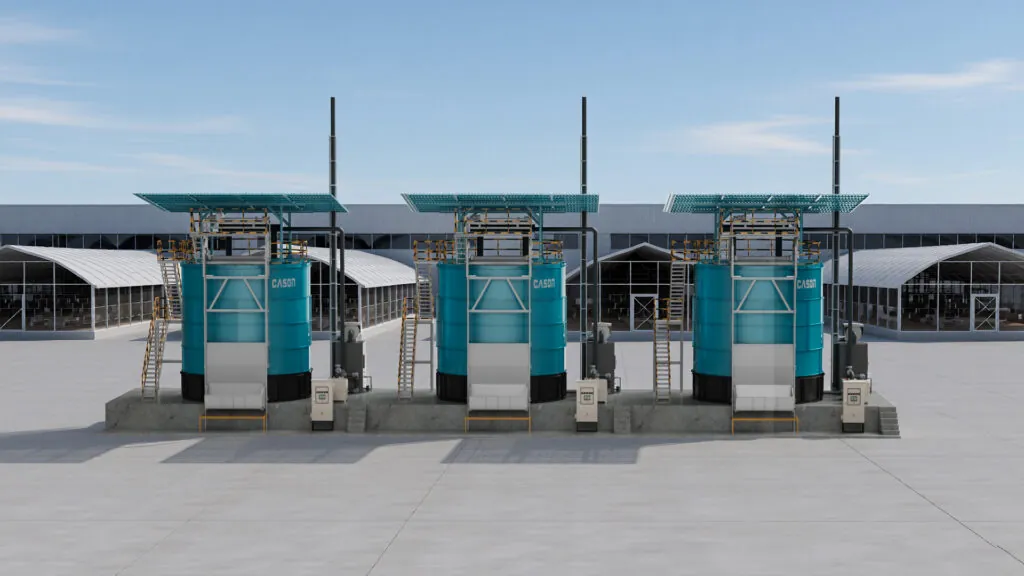
Purchasing a commercial compost machine, such as the C-120E model by Cason, represents a larger upfront investment compared with small residential units. However, for businesses that generate a steady flow of organic waste, the ability to turn waste into nutrient-rich compost can reduce disposal costs and support sustainability initiatives. Residential systems require less capital but also deliver less output and fewer operational efficiencies.
Understanding these differences will help buyers choose a system that aligns with their waste volume, operational demands, and sustainability goals, from simple backyard composting to robust commercial waste management.