
Aquaponics combines aquaculture and hydroponic cultivation into a closed ecological cycle. In this system, fish produce organic waste, and plants use nutrients derived from that waste to grow. Understanding what part of an aquaponics system converts waste to fertilizer is essential for efficient nutrient recycling and sustainable agriculture.
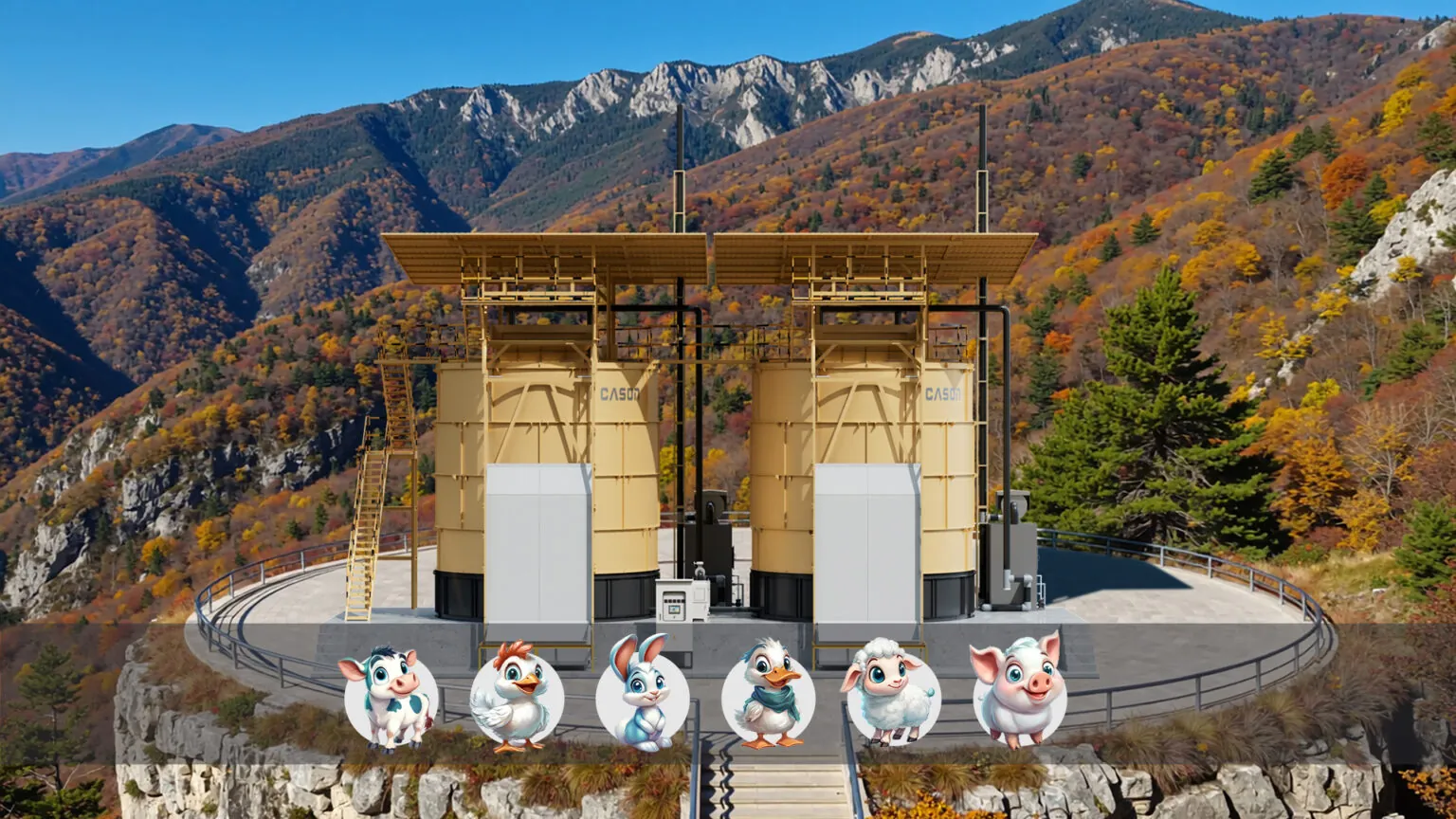
The key element responsible for this transformation is the biofiltration stage, where microorganisms convert fish waste into plant-available nutrients. When integrated with advanced organic waste treatment technologies such as a high-temperature aerobic fermentation tank, aquaponic operations can further expand their ability to convert organic waste into usable fertilizer within a broader waste-to-fertilizer system.
The Biofilter as the Core Conversion Unit
In a typical aquaponics system, fish release ammonia as a metabolic waste product. If ammonia accumulates, it becomes toxic to fish and disrupts system balance. The biofilter solves this problem by hosting beneficial microorganisms that transform ammonia into nutrients plants can absorb.
Inside the biofilter, nitrifying bacteria such as Nitrosomonas and Nitrobacter colonize the filter media. These bacteria perform a biological process known as nitrification. First, ammonia is converted into nitrite. Then nitrite is converted into nitrate, which is a stable and plant-friendly form of nitrogen.
Once nitrate is produced, nutrient-rich water flows into plant-growing beds. The plant roots absorb these nutrients and purify the water before it circulates back to the fish tank. This continuous loop ensures both fish health and plant growth while minimizing external fertilizer input.
From Aquaponics to a Waste to Fertilizer System
While biofilters handle dissolved waste in aquaponics, modern agricultural systems often manage additional organic materials such as sludge, manure, and food residues. These materials can be processed through a high-temperature aerobic fermentation tank to produce organic fertilizer more efficiently.
A high-temperature aerobic fermentation tank accelerates microbial decomposition under controlled temperature and oxygen conditions. Organic waste is rapidly broken down, pathogens are reduced, and the resulting material becomes a stable fertilizer product suitable for agricultural use.
By combining aquaponic nutrient cycles with advanced fermentation technology, farms can build a comprehensive waste-to-fertilizer system. Fish waste, plant residues, and other organic materials are transformed into valuable resources rather than discarded as waste. This approach supports circular agriculture and improves overall resource utilization.
Integrating Fermentation Technology with Aquaponics
For larger agricultural operations, incorporating industrial composting equipment can further enhance nutrient recovery. Equipment designed for aerobic fermentation provides stable environmental conditions, automated control, and efficient processing capacity.
Solutions developed by Cason are designed to support organic waste recycling in agricultural environments. By integrating fermentation technology with aquaponic production, farmers can convert a wide range of organic waste streams into usable fertilizer while maintaining stable production systems.
Among these solutions, the DT-280E high-temperature aerobic fermentation tank offers an effective option for farms seeking to expand their waste recycling capacity. It supports continuous organic waste treatment and fits well into modern waste-to-fertilizer systems used in sustainable agricultural operations.