
High-temperature fermentation is widely used in organic waste treatment and fertilizer production. In this process, microorganisms break down livestock manure, agricultural residues, and other organic materials under controlled aerobic conditions. A high-temperature aerobic fermentation tank provides the environment required for efficient microbial activity, typically maintaining temperatures between 60°C and 70°C to accelerate decomposition and eliminate pathogens.
However, maintaining stable fermentation conditions is not a simple task. Factors such as temperature, oxygen concentration, moisture, and mixing intensity must remain within appropriate ranges to support microbial activity. Without accurate monitoring, fermentation efficiency can decline, resulting in incomplete decomposition, odor generation, or energy waste.
This is where sensor technology becomes essential. In a modern high-temperature fermentation tank, sensors collect real-time data that allow operators to monitor conditions continuously and adjust parameters automatically.
Key Sensors Used in High-Temperature Fermentation Tanks
Smart fermentation systems rely on several types of sensors that work together to maintain optimal conditions.
Temperature sensors are among the most important components. They track internal heat levels throughout the fermentation cycle. Because microbial activity generates heat, maintaining a stable temperature ensures both pathogen reduction and efficient decomposition.
Oxygen sensors also play a crucial role. Aerobic fermentation depends on a sufficient oxygen supply. Monitoring oxygen concentration allows the system to regulate aeration, ensuring that microorganisms receive enough oxygen for active metabolism.
Moisture sensors help control water content inside the material. Excess moisture can slow down microbial activity and create anaerobic zones, while insufficient moisture can inhibit microbial growth. Automatic adjustments to spraying or ventilation systems can maintain an appropriate moisture range.
In addition, some systems include sensors that monitor parameters such as pH or gas concentration. These sensors contribute to more precise control of the fermentation environment and support stable microbial performance. Modern fermenters often integrate multiple sensors to provide comprehensive monitoring and automated process control.
Smart Control and Data-Driven Operation
Sensors do more than simply measure parameters. They enable intelligent control systems that transform fermentation equipment into smart processing units.
Data collected by sensors can be transmitted to centralized control platforms. These systems analyze real-time information and automatically adjust aeration, stirring speed, or heating conditions. As a result, the high-temperature aerobic fermentation tank can maintain stable fermentation conditions with minimal manual intervention.
IoT integration further enhances these capabilities. Through remote monitoring platforms, operators can track system performance, receive alerts, and optimize operations based on historical data. This approach improves operational efficiency while reducing labor requirements and energy consumption.
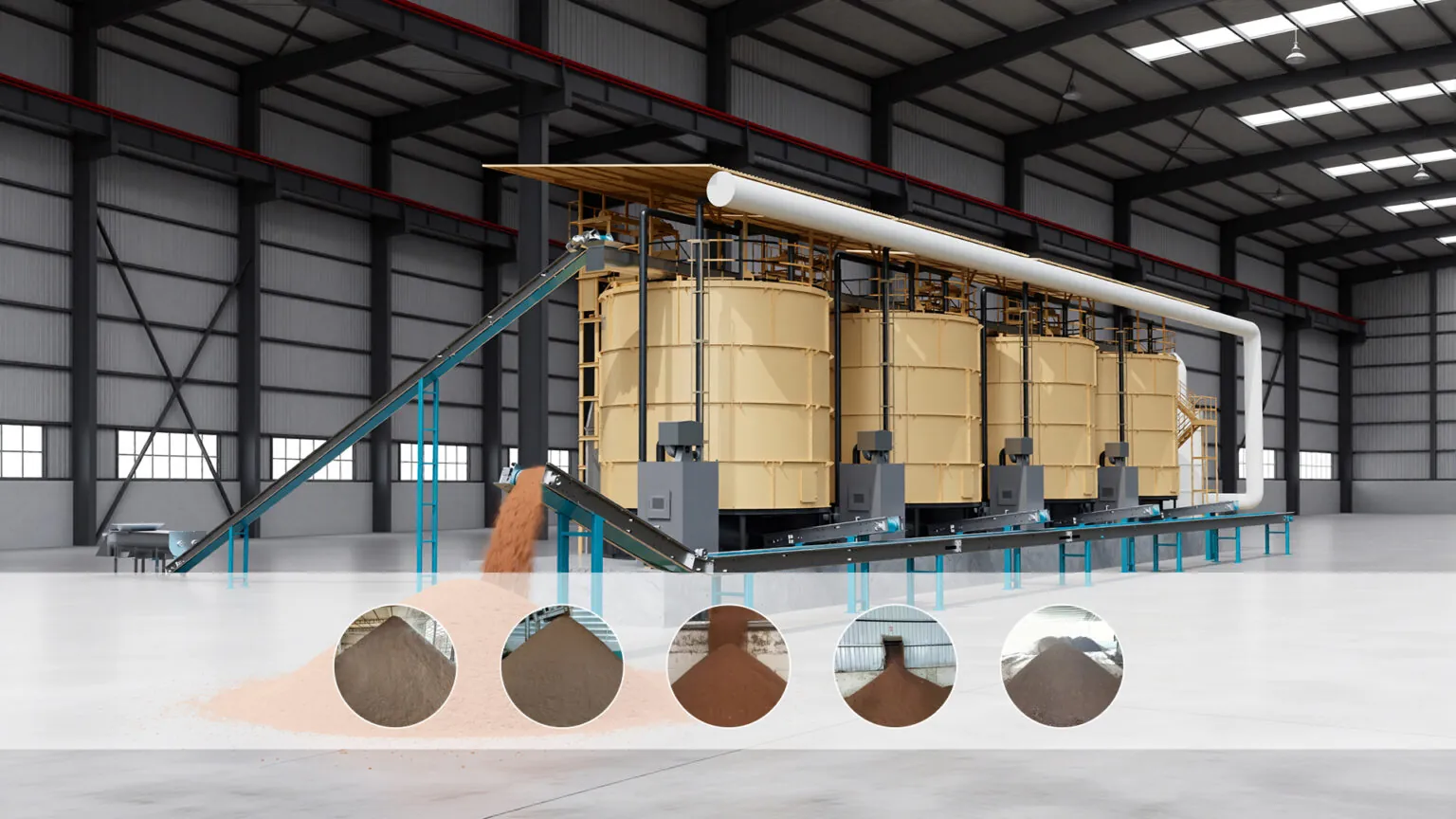
DT 280E High-Temperature Aerobic Fermentation Tank from Cason
The high-temperature fermentation tank solutions developed by Cason integrate advanced automation and sensor technology to support efficient organic waste treatment. Cason focuses on converting livestock manure and agricultural waste into valuable organic fertilizer through controlled aerobic fermentation.
One example is the DT 280E system. This model integrates intelligent electrical control systems, automated monitoring, and energy-saving components to support stable fermentation processes. The equipment also includes systems for odor control, aeration, and centralized operation, which improve environmental performance and operational efficiency.
Through the integration of sensors, automation, and data analysis, the DT 280E provides reliable performance for large-scale agricultural waste management.
Improving Organic Waste Treatment Through Intelligent Systems
As farms and waste management facilities handle increasing volumes of organic waste, intelligent fermentation technology becomes increasingly important. Sensors allow operators to monitor fermentation conditions precisely, reduce operational uncertainty, and maintain consistent processing quality.
By integrating advanced monitoring systems into every high-temperature aerobic fermentation tank, Cason continues to support efficient and environmentally responsible organic waste treatment. Solutions such as the DT 280E demonstrate how sensor-based automation can improve fermentation stability, enhance resource utilization, and support modern agricultural operations.