
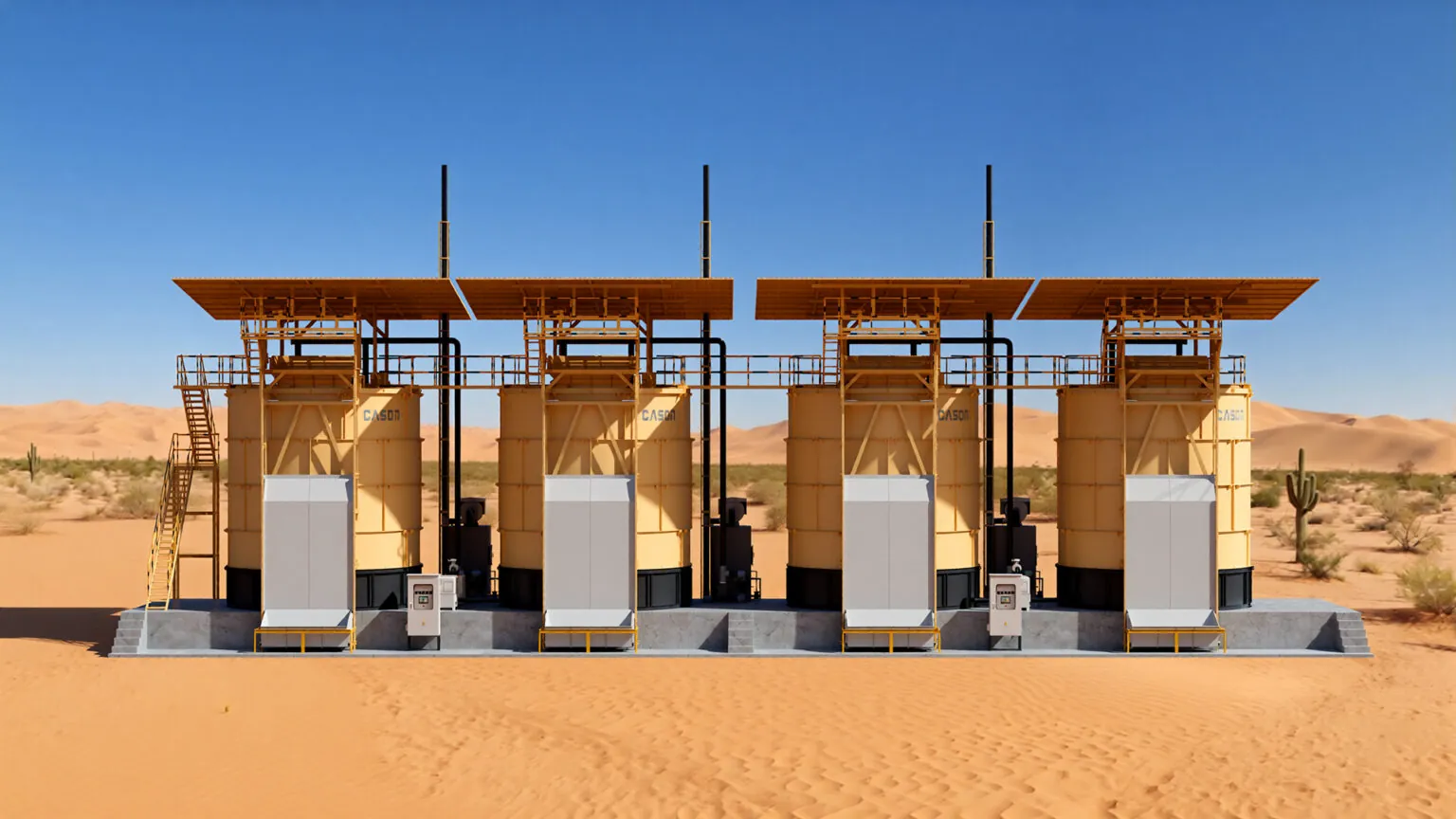
Organic fertilizer production increasingly relies on automation to improve efficiency and process stability. In modern composting facilities, PLC technology plays a central role in controlling fermentation conditions and reducing operational energy use. When integrated with a high-temperature aerobic fermentation tank, PLC automation allows operators to maintain stable environmental conditions and improve overall fermentation performance.
The Role of PLC Automation in Fermentation Systems
A programmable logic controller, known as a PLC, functions as the control center of modern fermentation equipment. It connects temperature sensors, oxygen detectors, ventilation systems, and mixing components into a coordinated control network. Through automated monitoring and response, the system maintains stable fermentation conditions throughout the entire composting cycle.
Inside a high-temperature aerobic fermentation tank, microorganisms break down organic materials such as livestock manure, food waste, and agricultural residues. During decomposition, microbial activity generates heat and rapidly changes environmental conditions inside the tank. PLC systems collect real-time data from sensors and automatically regulate aeration, mixing, and heating to keep the process within optimal ranges.
For example, if oxygen levels decrease, the PLC system can automatically increase airflow to maintain aerobic conditions. If the temperature rises beyond the desired range, ventilation or agitation can be adjusted to balance the fermentation environment. This automated response helps maintain stable microbial activity and supports consistent organic fertilizer production.
Improving Energy Efficiency Through Intelligent Control
Energy consumption is an important consideration for fertilizer processing facilities. Aeration fans, mixing motors, and heating systems can consume significant energy during long fermentation cycles. PLC automation helps reduce unnecessary energy use by adjusting equipment operation according to real fermentation conditions.
In an energy-saving fertilizer fermentation tank, automated control ensures that aeration and agitation operate only when required. Instead of running continuously, the system responds to sensor feedback and activates equipment when fermentation conditions demand it. This reduces electricity consumption while still maintaining an active microbial environment.
Another advantage is the ability to maintain high fermentation temperatures efficiently. A high-temperature aerobic fermentation tank often reaches temperatures between 55°C and 75°C during active composting. These conditions help eliminate pathogens and accelerate organic matter breakdown. PLC-controlled systems maintain these temperatures through balanced aeration and heat retention rather than excessive external heating.
Operational Benefits for Waste Treatment Facilities
Automation also improves daily operation and management in fertilizer production plants. With PLC systems, operators can monitor fermentation parameters through digital interfaces that display temperature curves, oxygen levels, and operational status. This allows quick adjustments and more efficient management of the composting process.
Automated control also contributes to environmental management. Sealed fermentation tanks combined with controlled ventilation help reduce odor emissions and limit the exposure of untreated organic waste to the surrounding environment. This is especially important for facilities located near agricultural communities or urban areas.
Supporting Efficient Fermentation with Cason
Modern fertilizer production requires equipment that balances microbial efficiency, operational control, and energy consumption. A high-temperature aerobic fermentation tank equipped with PLC automation supports stable decomposition conditions while improving system efficiency.
At Cason, we focus on developing practical fermentation equipment that supports organic waste recycling and fertilizer production. Our energy-saving fertilizer fermentation tank solutions integrate automated control systems with stable fermentation environments to help operators manage organic waste more effectively.
For facilities seeking reliable fermentation equipment, we provide solutions such as the DT-280E. With PLC automated operation and efficient temperature control, we design systems that support consistent fermentation performance while helping farms and processing plants build sustainable organic waste treatment processes.