
Managing animal carcasses is a critical concern for farms, slaughterhouses, and veterinary facilities. Improper disposal can lead to environmental contamination, disease spread, and operational inefficiencies. A practical approach to address this challenge is the use of a commercial compost machine. These systems offer a controlled, safe, and environmentally responsible way to handle organic waste, including animal remains.
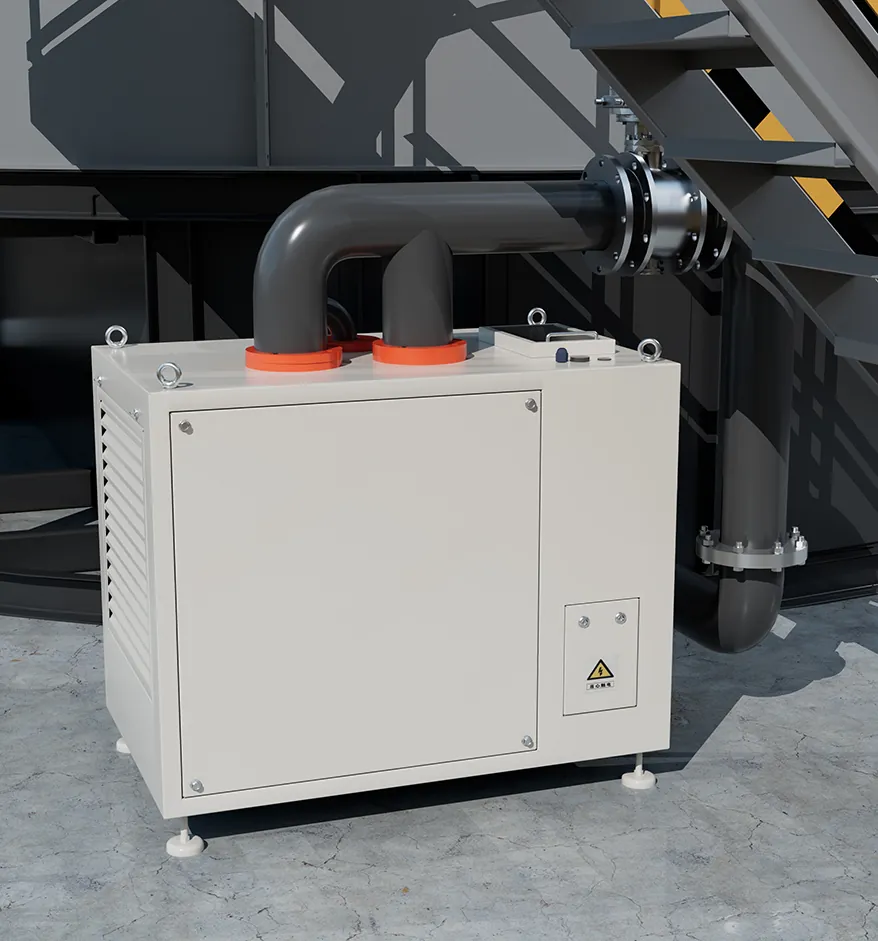
Understanding Commercial Compost Machines
Commercial compost machines are designed to accelerate the decomposition of organic matter under controlled conditions. Unlike traditional composting, which relies on natural microbial activity and can take months, these machines provide optimized temperature, moisture, and aeration to speed up the process. For facilities dealing with high volumes of waste, the efficiency of a commercial compost machine can significantly reduce storage space requirements and the risk of contamination.
Advantages of Using a Waste Composter Machine for Animal Carcasses
A waste composter machine specifically built for animal carcasses addresses several challenges that conventional disposal methods cannot. First, it minimizes odors and prevents the attraction of scavengers, which is a common issue with open-air disposal. Second, it allows for biosecure handling, reducing the risk of spreading pathogens. Third, the resulting compost can be safely utilized as a soil amendment, closing the loop in waste management practices.
Additionally, automated systems maintain consistent conditions throughout the composting cycle. Temperature control is crucial to ensure complete decomposition and pathogen destruction, while proper aeration ensures the process remains efficient. By integrating these functions, a commercial compost machine can handle carcasses of various sizes without constant manual intervention.
Considerations When Selecting a Waste Composter Machine
When evaluating waste composter machines, several factors come into play. Capacity is a primary consideration; machines must match the facility’s average daily or weekly waste volume. Durability and ease of maintenance are also important, as animal carcasses can be heavy and sometimes challenging to process.
Energy efficiency should not be overlooked. Machines that provide consistent composting performance while minimizing power consumption offer long-term operational savings. Safety features, including secure access and automated shutdown in case of malfunctions, are essential for both staff and regulatory compliance.
Cason C-120E as a Practical Solution
For facilities seeking an efficient and reliable system, the Cason C-120E offers a comprehensive approach to animal carcass composting. Designed with robust engineering and automated controls, it provides optimized conditions for rapid and safe decomposition. Its capacity and durability make it suitable for farms and small-scale slaughterhouses aiming to manage organic waste effectively. By using the Cason C-120E, operators can reduce environmental impact, enhance biosecurity, and streamline daily operations.
With growing attention on sustainable waste management, investing in a waste composter machine like the Cason C-120E supports both operational efficiency and environmental responsibility.