
Choosing the right waste management solution is crucial for farms that handle large amounts of organic material, including animal waste. A commercial compost machine can streamline disposal, improve hygiene, and reduce environmental impact. However, many farms encounter challenges when selecting a waste composter machine, often resulting in inefficiency or increased operational costs. Understanding common mistakes can help farm operators make better-informed decisions.
Overlooking Capacity Requirements
One of the most frequent mistakes is underestimating the volume of waste a farm generates. A machine with insufficient capacity will require frequent loading and unloading, increasing labor demands and slowing down the composting process. It is essential to evaluate daily and seasonal waste volumes and choose a waste composter machine that can accommodate peak periods without compromising performance.
Ignoring Decomposition Speed
Another critical consideration is how quickly the machine can process organic material. Some waste composter machines operate slowly, extending the time waste remains on-site. This delay can create hygiene issues and attract pests. Selecting a system with optimized aeration, temperature control, and automated turning ensures faster decomposition while maintaining safe and controlled conditions for farm staff.
Neglecting Maintenance Needs
Maintenance is often overlooked during the selection process. Machines with complex or difficult-to-service components can lead to downtime and higher repair costs. Farms benefit from a commercial compost machine designed for easy cleaning, accessible parts, and reliable performance. Regular maintenance schedules should be planned to prevent mechanical issues and ensure consistent composting output.
Disregarding Energy Efficiency
Energy consumption can become a hidden cost if not considered upfront. Some waste composter machines use more power than necessary, raising operational expenses over time. Choosing a system that balances performance and energy efficiency allows farms to manage waste effectively while keeping long-term costs manageable.
Overemphasizing Price Over Functionality
While initial cost is important, it should not overshadow functionality and reliability. Selecting the cheapest option may save money in the short term but could result in frequent breakdowns, slower composting, or safety issues. Investing in a well-engineered commercial compost machine ensures a stable and productive composting process for years to come.
Cason C-120E Offers a Balanced Solution
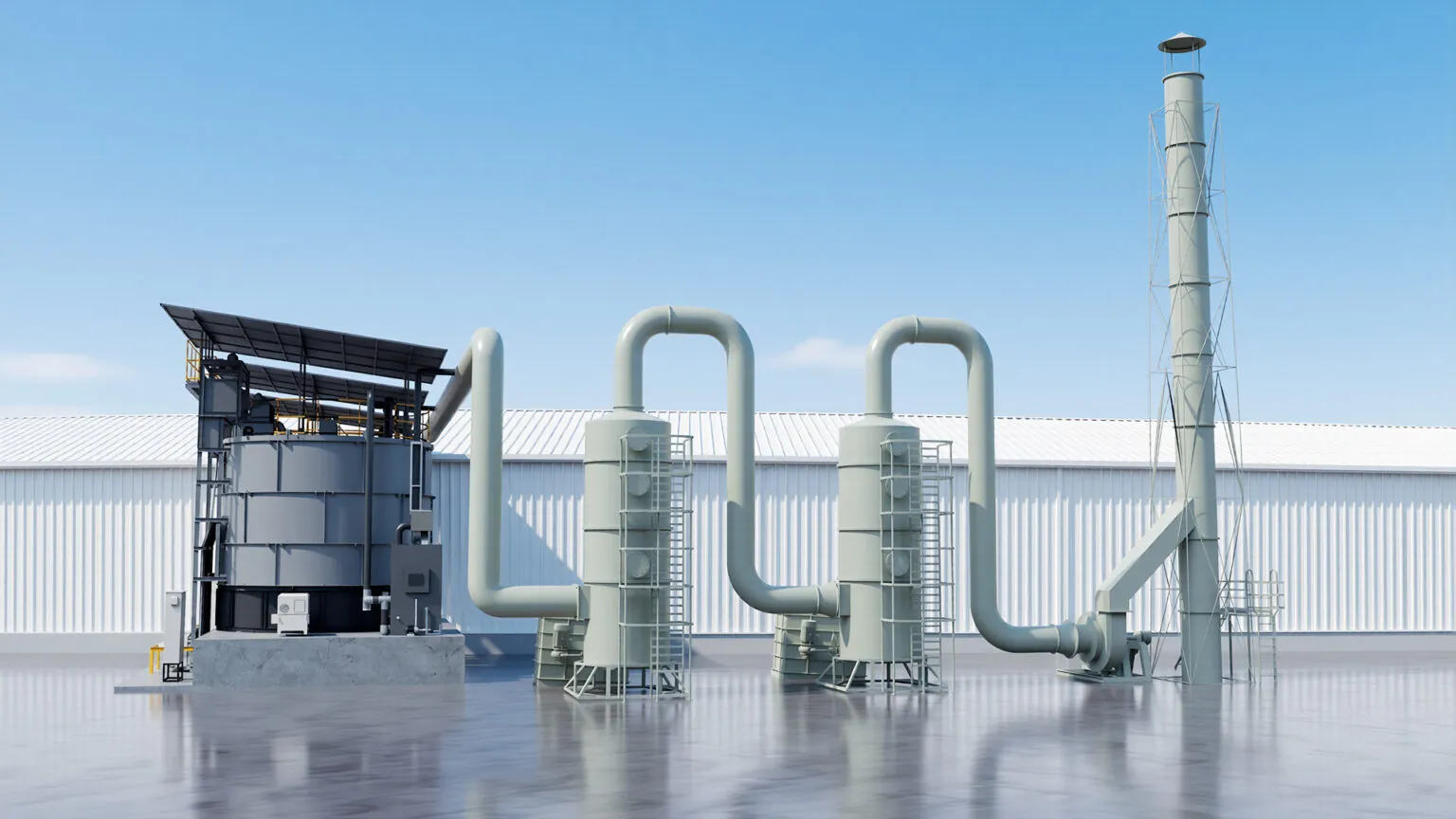
For farms looking to avoid these common mistakes, the Cason C-120E provides a practical and efficient solution. Engineered with optimal capacity, automated controls, and energy-efficient operation, it handles farm waste safely and effectively. Its design supports rapid decomposition while minimizing manual labor and maintenance demands. The C-120E is suitable for farms of various sizes, providing a reliable approach to composting animal and organic waste.
Selecting the right waste composter machine is more than just a purchase; it is an investment in farm hygiene, environmental compliance, and operational efficiency. With careful planning and the right system, farms can manage organic waste effectively, reduce risks, and support sustainable practices. The Cason C-120E combines capacity, reliability, and automation to help farms streamline waste management and maintain a cleaner, safer environment.