
Slaughterhouses generate a large volume of organic by-products, including animal tissues, bones, fat, and other residues. Without a proper treatment system, these materials can create sanitation risks, unpleasant odors, and environmental pressure. As regulations around waste management continue to tighten, facilities are increasingly looking for practical ways to manage organic residues while maintaining efficient operations.
One effective approach is the use of an animal carcass composting machine combined with animal protein recycling equipment for slaughterhouse operations. These systems transform organic waste into useful resources such as organic fertilizer while reducing the burden on disposal infrastructure. At Cason, we focus on helping slaughterhouses move toward integrated waste treatment systems that support safe processing and resource recovery.
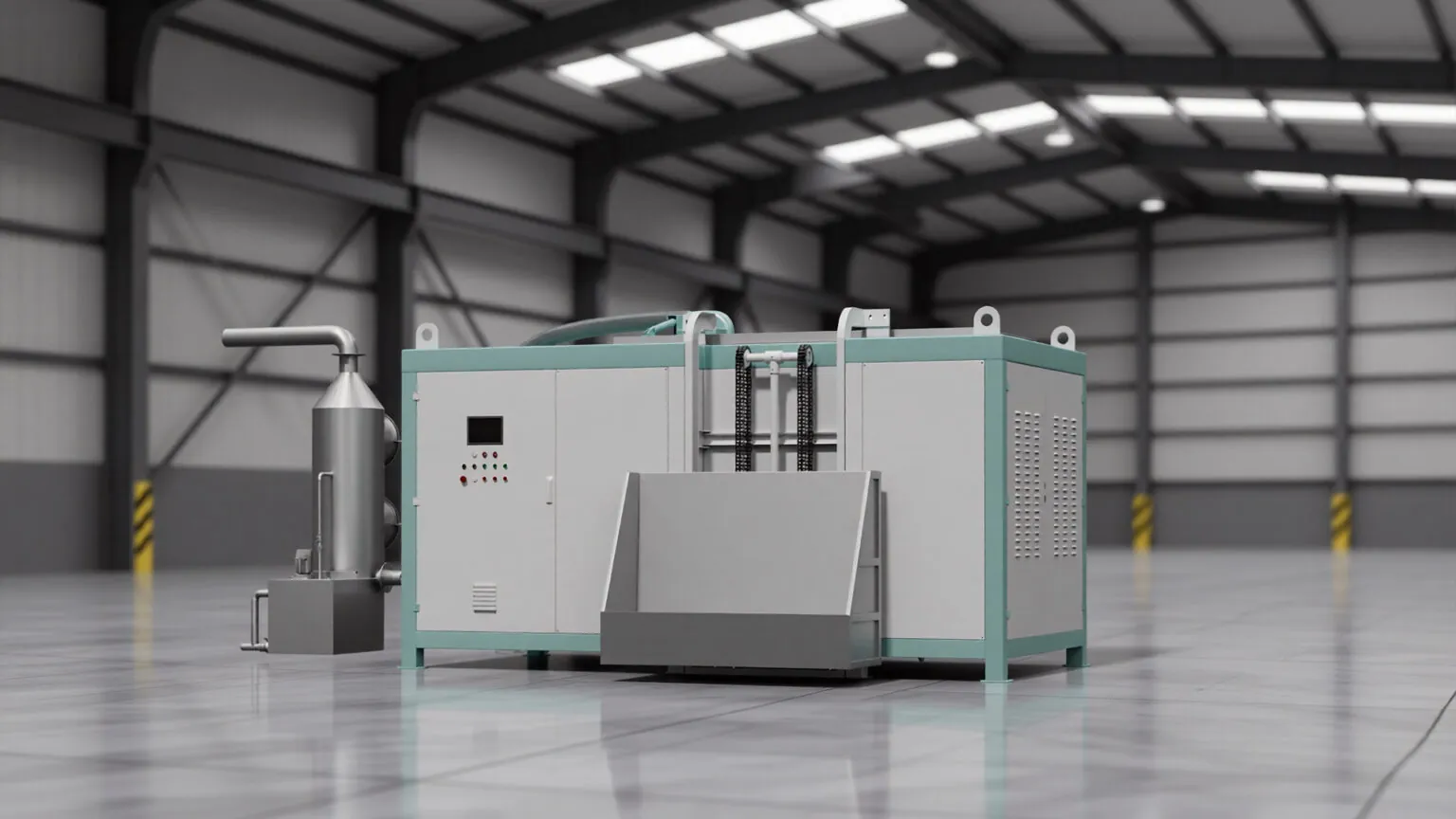
Turning Animal Byproducts into Valuable Resources
Traditional disposal methods such as burial or incineration can involve high costs and environmental concerns. Composting technology provides a biological alternative that converts organic waste into stable compost through controlled microbial activity.
In a modern animal carcass composting machine, organic materials are mixed and aerated while temperature and humidity are carefully controlled. Microorganisms break down proteins, fats, and other organic matter during aerobic fermentation. Temperatures typically reach above 50°C and can rise to around 65–75°C in the final stage, helping eliminate harmful pathogens and ensuring sanitary treatment of the material.
Once decomposition is complete, the output material becomes nutrient-rich compost that can be used in agriculture or soil improvement. This process not only reduces waste but also converts animal by-products into a reusable resource.
How Animal Protein Recycling Equipment Supports Slaughterhouse Operations
Animal protein recycling equipment for slaughterhouse facilities integrates multiple steps into a controlled processing system. These systems typically include feeding units, mixing mechanisms, heating components, ventilation systems, and intelligent monitoring technology.
The feeding system reduces manual handling by automatically loading raw materials into the treatment chamber. A mixing mechanism ensures uniform distribution of organic waste and carbon materials, which helps maintain an ideal carbon-to-nitrogen balance during composting. Controlled airflow supports aerobic fermentation, while heating units maintain stable temperatures that accelerate decomposition.
Sensors and digital control systems monitor temperature, oxygen levels, and moisture content in real time. This allows operators to maintain consistent processing conditions while reducing operational risks.
By integrating these features, recycling equipment allows slaughterhouses to manage organic residues in a structured and hygienic manner.
Improving Biosecurity and Environmental Compliance
Another important advantage of modern composting technology is its contribution to biosecurity. Improper disposal of animal waste can allow pathogens to spread through soil, water, or wildlife contact.
High-temperature composting processes significantly reduce pathogens and stabilize organic matter before it leaves the system. In many regions, composting is recognized as a safe method for treating livestock carcasses when temperature and moisture are properly controlled.
For slaughterhouses, this helps meet regulatory requirements related to waste management and environmental protection. It also reduces odors and minimizes the risk of contamination around the facility.
Supporting Sustainable Protein Processing with Cason
At Cason, we develop animal carcass composting machine systems that integrate mixing, heating, aeration, and intelligent control technologies into a compact treatment solution. Our equipment supports the recycling of organic by-products from slaughterhouses, farms, and food processing facilities.
By adopting animal protein recycling equipment for slaughterhouse operations, facilities can move toward a more circular processing model. Organic waste is transformed into useful fertilizer, environmental impact is reduced, and waste management becomes more structured and efficient.
As slaughterhouses continue to modernize their infrastructure, integrated composting systems provide a practical path toward cleaner production and responsible resource use.