
Modern farms, food processing plants, and agricultural service centers often face the same challenge. Organic waste must be handled quickly, safely, and within limited facility space. As waste volumes increase, traditional disposal methods such as burial or transportation to external facilities become inefficient. This is where compact equipment, such as an animal carcass composting machine, becomes an important part of modern waste management systems. At Cason, we focus on equipment designs that help facilities manage organic waste efficiently while making better use of available space.
The Need for Compact Waste Management Equipment
Agricultural and livestock facilities produce a wide variety of organic waste, including animal carcasses, manure, and food processing residues. Handling these materials requires controlled treatment methods to avoid environmental contamination and biosecurity risks.
Traditional waste disposal systems often require large outdoor composting areas or transportation to centralized treatment plants. Both options demand significant land and operational costs. Compact treatment equipment offers a practical alternative by processing waste directly at the source.
A properly designed animal carcass composting machine allows facilities to process livestock and poultry remains safely while reducing the need for large composting yards. The system converts organic waste into stable organic fertilizer through controlled microbial decomposition. This process supports waste reduction and resource recovery within the same facility.
Space-Efficient Design for Modern Facilities
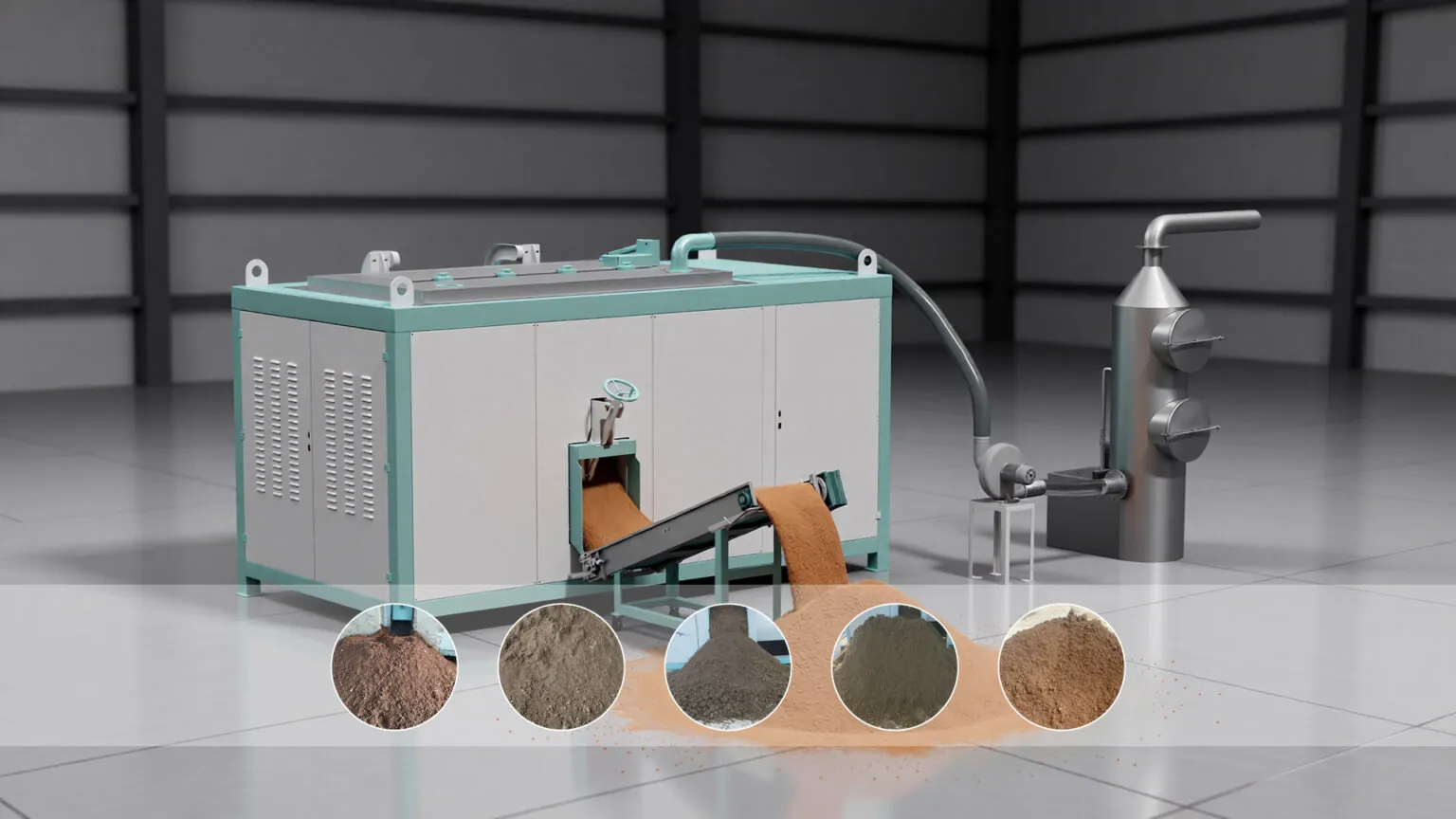
Modern waste disposing machine designs focus on integrating multiple functions within a compact footprint. Instead of spreading equipment across different processing stages, advanced systems combine feeding, mixing, fermentation, and deodorization into a single enclosed structure.
Cason equipment integrates systems such as automated feeding units, mixing systems, ventilation, heating, and intelligent control modules within a centralized tank design. These components work together to maintain suitable fermentation conditions while minimizing equipment space requirements.
The compact structure makes it easier for farms, slaughterhouses, and food waste facilities to install the system even in limited operational areas. Enclosed composting units also reduce odor emissions and prevent environmental leakage, which is essential for facilities located near residential zones.
Automated Operation Improves Facility Efficiency
Another advantage of modern composting equipment is automation. A well-designed animal carcass composting machine monitors parameters such as temperature, humidity, and oxygen levels during the fermentation process. These factors are essential for maintaining effective microbial decomposition.
Intelligent control systems allow operators to track equipment performance in real time. Automated feeding, stirring, and discharge functions also reduce labor requirements and simplify day-to-day operations.
Automation not only improves operational efficiency but also supports consistent treatment performance. Maintaining proper fermentation temperatures is especially important when processing animal carcasses because high temperatures help eliminate harmful bacteria and pathogens.
Supporting Sustainable Waste Utilization
Compact composting equipment does more than simply dispose of waste. The process transforms organic materials into nutrient-rich organic fertilizer that can be reused in agricultural production.
Cason composting systems convert livestock waste and animal carcasses into fertilizer with stable organic matter content that supports soil health and crop growth. This circular approach helps facilities reduce waste disposal costs while generating useful byproducts.
By integrating composting technology directly within farms or processing facilities, operators can create a closed-loop waste management system that improves resource efficiency.
Practical Waste Solutions for Modern Operations
As agricultural operations continue to modernize, waste management solutions must also evolve. Compact equipment, such as the Cason animal carcass composting machine, provides a practical way to manage organic waste without expanding facility land use.
With integrated systems, automated operation, and controlled fermentation environments, a waste disposing machine helps facilities process organic waste safely while saving space. For farms, livestock facilities, and food processing operations looking to optimize waste treatment within limited space, Cason offers equipment designed to meet these operational needs.