
Livestock farms and slaughterhouses generate large volumes of organic waste, including animal carcasses, bones, fat, and other by-products. If these materials are not handled properly, they may cause environmental pollution, unpleasant odors, and biosecurity risks. At the same time, these residues contain valuable organic matter and nutrients that can support agricultural production.
This is where an animal carcass composting machine becomes an essential solution. Instead of treating carcasses as waste, modern composting systems allow farms and processing facilities to recover nutrients and convert organic residues into valuable resources. At Cason, we focus on developing practical technologies that help clients transform animal by-products into nutrient-rich organic fertilizer while maintaining safe and hygienic operations.
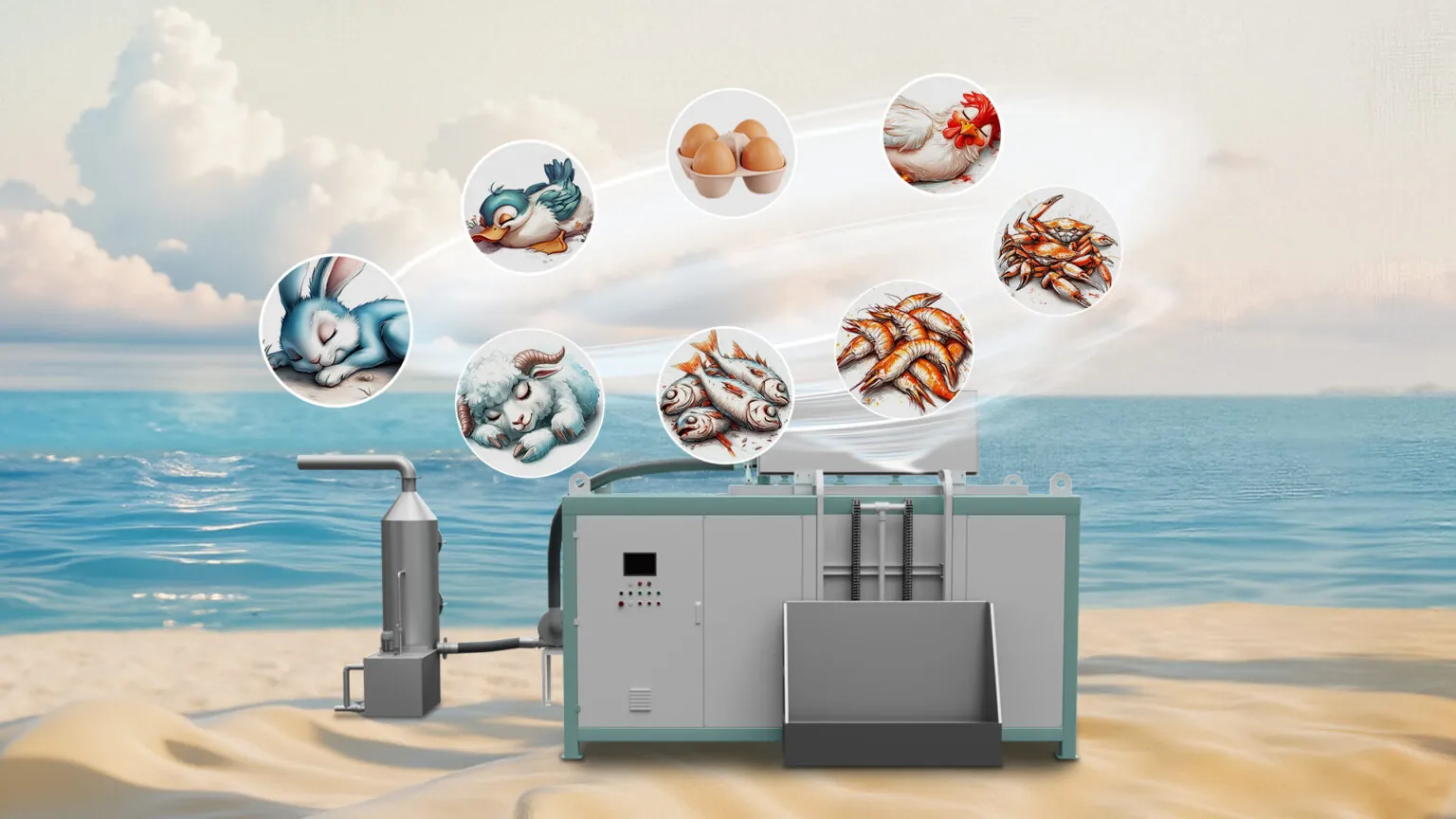
How Animal Protein Recycling Equipment Supports Sustainable Waste Management
An animal protein recycling equipment for slaughterhouse is designed to process animal remains through controlled aerobic fermentation. Inside the system, organic materials are mixed, heated, and aerated to promote microbial activity. These microorganisms break down proteins, fats, and other organic compounds, gradually converting them into stabilized compost.
In systems such as the Cason CF-2000, several integrated components support this process. A mixing system ensures that carcasses and organic materials are blended evenly. A heating system maintains the temperature needed for efficient microbial decomposition. Ventilation fans supply oxygen to sustain aerobic fermentation, while deodorization units reduce odors and treat exhaust gases.
During the composting cycle, the temperature can rise to around 65 to 75°C in the final fermentation stage. This high-temperature environment helps eliminate harmful bacteria and pathogens, ensuring safe treatment of animal residues.
Transforming Animal By-Products into Agricultural Resources
One of the key benefits of using an animal carcass composting machine is nutrient recovery. Instead of disposing of organic waste through burial or incineration, composting converts these materials into organic fertilizer rich in nutrients and organic matter.
The fertilizer produced through high-temperature fermentation can improve soil structure, enhance water retention, and provide a stable supply of nutrients for crops. These characteristics make the recycled product suitable for agricultural fields, orchards, and landscaping projects.
By recovering nutrients from animal by-products, farms can reduce dependence on chemical fertilizers and create a more balanced nutrient cycle. This approach supports sustainable agriculture and aligns with the growing demand for environmentally responsible waste management.
Intelligent Systems Improve Efficiency and Biosecurity
Modern animal protein recycling equipment for slaughterhouse operations increasingly incorporates intelligent monitoring and automation. Cason equipment integrates control systems that monitor temperature, humidity, and oxygen levels in real time. These systems help maintain stable fermentation conditions and reduce the need for manual adjustments.
In addition, digital monitoring enables remote supervision and data analysis, allowing operators to identify potential risks early and maintain consistent performance. This type of automation improves process stability while supporting biosecurity requirements for animal waste treatment facilities.
For slaughterhouses and large livestock farms, these capabilities help ensure that carcass treatment is carried out safely, efficiently, and in compliance with environmental regulations.
Building a Circular Model for Organic Waste
Recovering nutrients from animal residues is becoming an important part of modern agricultural management. With the support of an animal carcass composting machine, farms can convert organic waste into valuable fertilizer and reduce environmental impact at the same time.
At Cason, we continue to develop composting technologies that support this circular approach. By combining microbial fermentation, intelligent monitoring, and efficient processing, our equipment helps livestock farms and slaughterhouses turn animal by-products into useful agricultural resources while maintaining responsible waste treatment practices.