
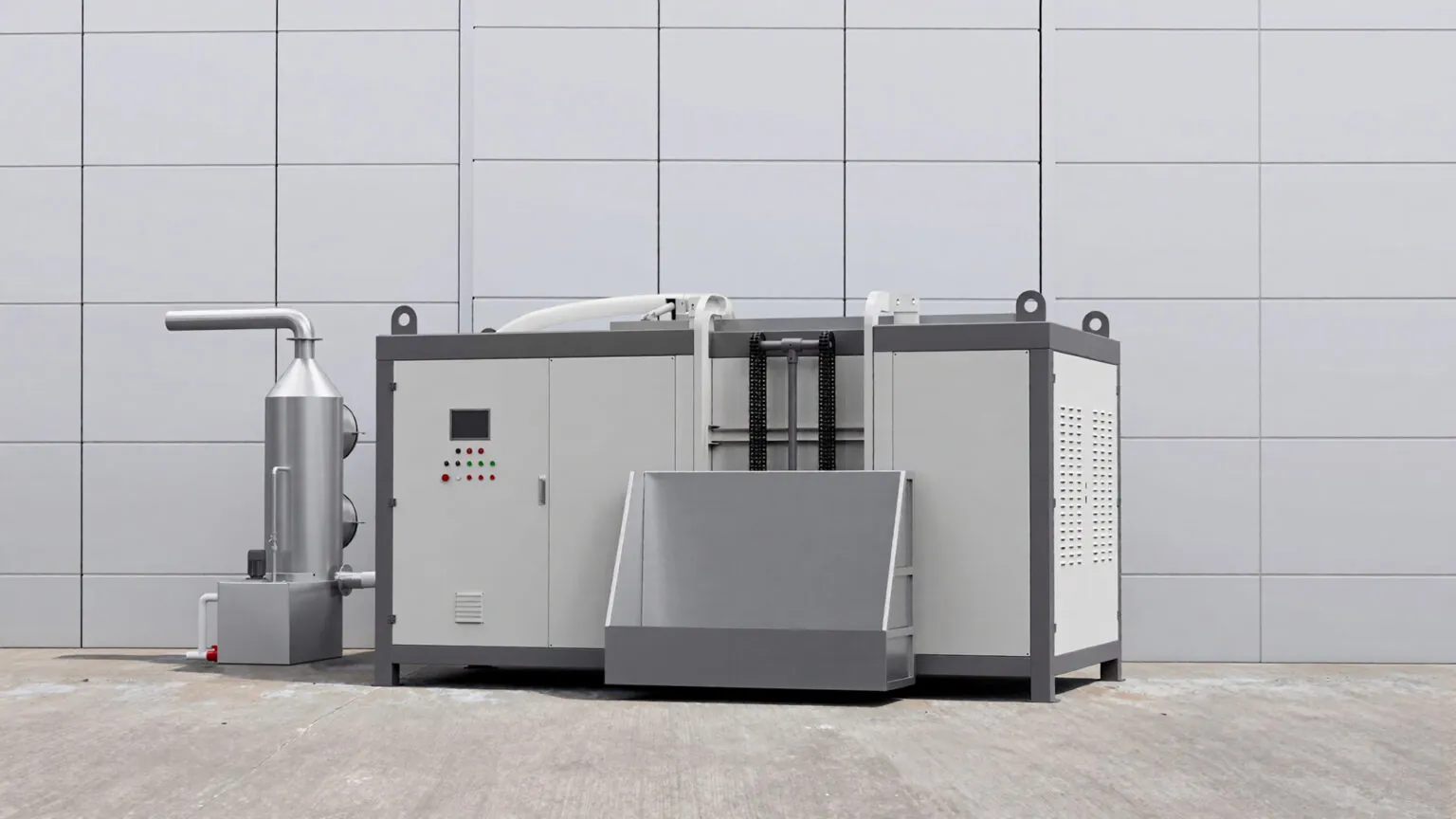
Organic waste management is becoming a key priority for farms, livestock facilities, and agricultural processors. With increasing environmental awareness and stricter waste management requirements, composting equipment is evolving rapidly. Technologies such as the animal carcass composting machine and modern waste composter machine systems are helping farms convert organic waste into valuable agricultural resources.
In 2026, several trends are shaping how composting technology is designed, operated, and integrated into farm waste management. Companies like Cason are responding to these developments by developing composting systems that align with changing industry needs.
Growing Demand for Sustainable Waste Management
The global focus on sustainability is driving strong demand for composting solutions. Agricultural operations, municipalities, and food processing facilities are increasingly adopting composting equipment to reduce landfill waste and recycle organic material into soil nutrients.
Organic waste composting machines help reduce waste volume while producing nutrient-rich compost that supports sustainable agriculture. At the same time, governments in many regions are introducing policies that encourage or require on-site organic waste treatment, which further accelerates adoption of composting technologies.
For livestock farms, this shift has increased the demand for equipment such as the animal carcass composting machine, which enables farms to process biological waste safely while maintaining environmental compliance.
Automation and Intelligent Monitoring
Automation is one of the most significant trends in composting equipment. Modern waste composter machine systems now incorporate sensors, automated aeration, and temperature monitoring to maintain ideal conditions for microbial activity.
Sensors track temperature, moisture, and oxygen levels during composting, allowing machines to automatically adjust airflow and mixing to maintain efficient decomposition.
This type of intelligent monitoring improves operational stability and reduces the need for constant manual supervision. For large farms or agricultural facilities, automation helps ensure consistent compost quality while lowering labor requirements.
Faster Composting Through Advanced Technology
Another trend shaping the industry is the push for faster composting cycles. Traditional composting can take months, but modern equipment accelerates decomposition through controlled heating, mechanical mixing, and microbial activity.
Many composting systems now operate within controlled temperature ranges that promote rapid organic breakdown while eliminating pathogens.
This approach is particularly useful for carcass management. An animal carcass composting machine processes organic material within a controlled chamber, significantly shortening the treatment period compared with traditional burial or open composting.
Integration with Circular Agriculture
Circular agriculture is gaining attention worldwide. Instead of treating organic waste as a disposal problem, farms are increasingly viewing it as a resource.
A waste composter machine enables farms to convert manure, carcasses, and agricultural residues into organic fertilizer that can be returned to farmland. This process supports soil health, reduces dependence on chemical fertilizers, and promotes nutrient recycling within agricultural systems.
The composting industry is evolving to support this circular approach by developing machines capable of processing a wide variety of organic materials within a single system.
Expansion of Industrial-Scale Composting Equipment
The composting equipment market is also expanding in terms of capacity and industrial application. Large-scale composting systems are being adopted by agricultural cooperatives, municipal waste facilities, and livestock farms.
Market research indicates that the composting machine industry is growing steadily as demand for sustainable waste solutions increases worldwide.
Industrial composters with higher processing capacity and automated operation are becoming essential tools for large agricultural operations that manage significant volumes of organic waste.
Looking Ahead for Composting Technology
The waste composter machine industry is entering a period of technological advancement and broader adoption. Automation, faster composting cycles, circular agriculture practices, and expanding industrial applications are shaping the direction of the market in 2026.
For livestock farms and agricultural processors, solutions such as the animal carcass composting machine offer a practical way to manage organic waste while generating useful bio fertilizer.
By focusing on efficient composting systems and practical waste management solutions, Cason continues to support farms in building sustainable and responsible agricultural operations.