
Managing manure effectively is an important task for poultry and livestock farms. As farm operations grow, the volume of manure produced each day increases, making traditional open composting methods more difficult to manage. Weather changes, odor concerns, and long composting cycles can create additional challenges. Many farms now adopt modern equipment, such as a poultry composting machine, to process organic waste in a more organized and controlled environment.
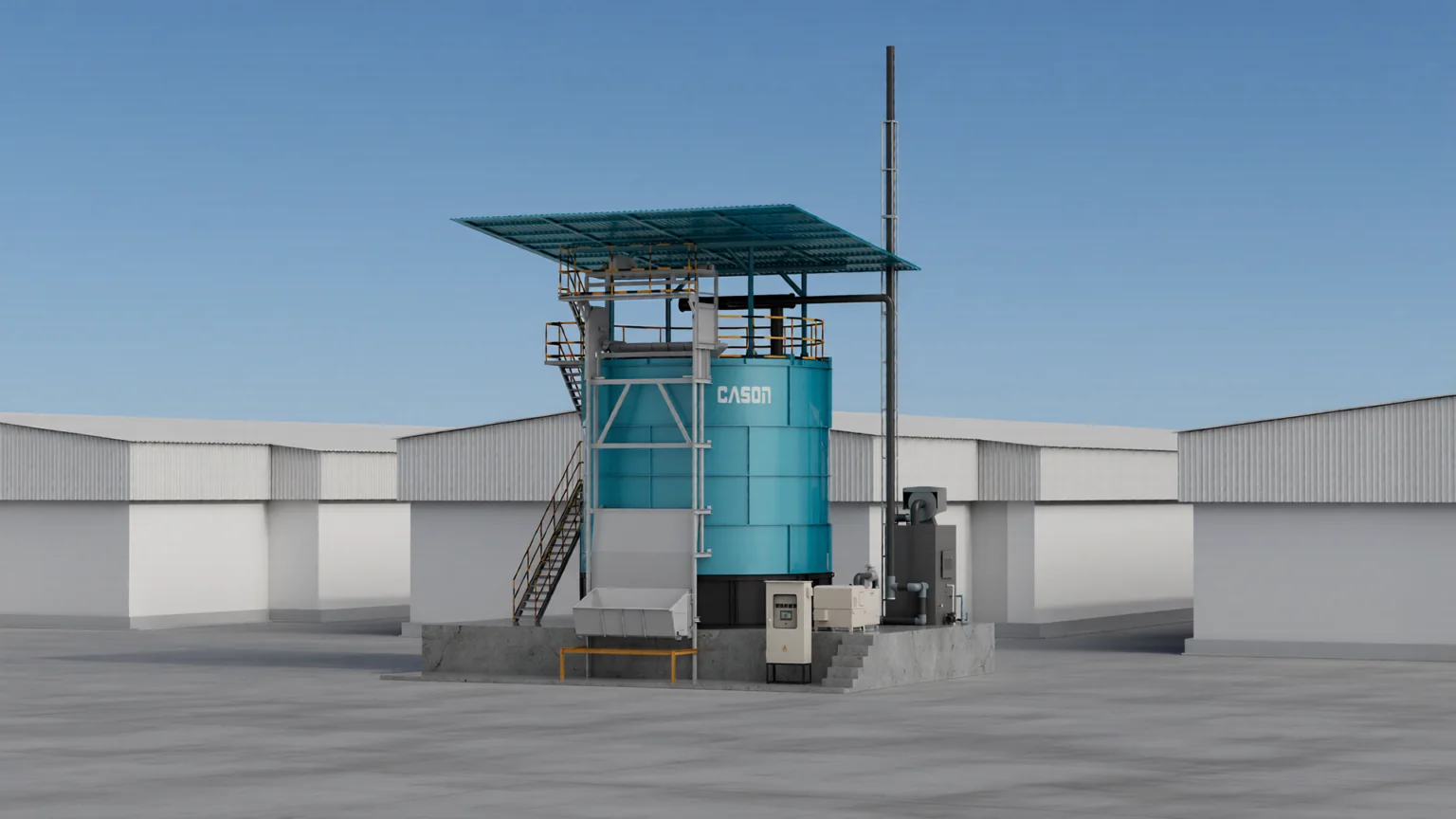
At Cason, we focus on helping farms transform manure into useful organic fertilizer while improving daily waste management. An enclosed compost tank provides several practical advantages that support efficient farm operations.
Faster Composting Through Controlled Conditions
One major benefit of an enclosed livestock manure compost tank is the ability to maintain stable composting conditions. Inside the tank, temperature, aeration, and moisture levels can be carefully regulated to support aerobic fermentation.
Microorganisms responsible for decomposition perform best under stable conditions. With proper aeration and mixing, organic matter breaks down more efficiently, allowing manure to convert into compost within a shorter period. This helps farms maintain continuous waste processing without accumulating large manure piles.
Better Odor Management on Farms
Odor control is a common concern for livestock and poultry farms, particularly those located near residential areas. During decomposition, manure releases gases such as ammonia that may affect the surrounding environment.
An enclosed compost tank helps contain these emissions. Many systems are equipped with ventilation and treatment components that manage airflow during fermentation. By keeping the composting process inside a sealed structure, farms can significantly reduce odor spread and maintain a cleaner working environment.
Improved Sanitation and Pathogen Reduction
Livestock manure may contain harmful bacteria, parasites, and weed seeds. Proper composting helps reduce these risks by maintaining high fermentation temperatures for a sustained period.
Inside a controlled composting system, temperatures rise naturally during aerobic decomposition. These conditions help destroy many pathogens and improve the sanitary quality of the final compost. As a result, the material becomes safer for agricultural use.
Reduced Labor Requirements
Traditional manure composting often involves frequent manual turning, monitoring, and adjustments to maintain proper aeration. These tasks require significant time and labor, especially on larger farms.
A poultry composting machine can simplify this process through automated mixing, aeration, and temperature monitoring. With these features, farms can maintain consistent composting conditions while reducing the need for constant manual intervention.
At Cason, our equipment is designed to support daily farm operations with practical automation that improves efficiency without adding unnecessary complexity.
Turning Manure Into Useful Organic Fertilizer
Manure is not just a waste product. It contains valuable nutrients that can support crop production when properly processed. Composting stabilizes these nutrients and converts raw manure into organic fertilizer that improves soil structure and fertility.
Using enclosed composting equipment allows farms to produce a more uniform and stable compost product. This fertilizer can be applied to farmland or distributed to nearby agricultural users.
Supporting Sustainable Farm Management
Efficient manure treatment is an important part of responsible livestock farming. By adopting equipment designed for controlled composting, farms can improve environmental management while creating value from organic waste.
At Cason, we provide practical composting solutions that help farms manage manure more efficiently. Through durable system design and reliable fermentation technology, we support agricultural operations in building a cleaner and more sustainable waste management process.