
In today’s agricultural landscape, we face increasing pressure to adopt sustainable practices that not only boost productivity but also minimize environmental impact. At Cason, we are dedicated to providing innovative solutions that align with Environmental, Social, and Governance (ESG) strategies, and our high-temperature aerobic fermentation tank represents a significant step in that direction.
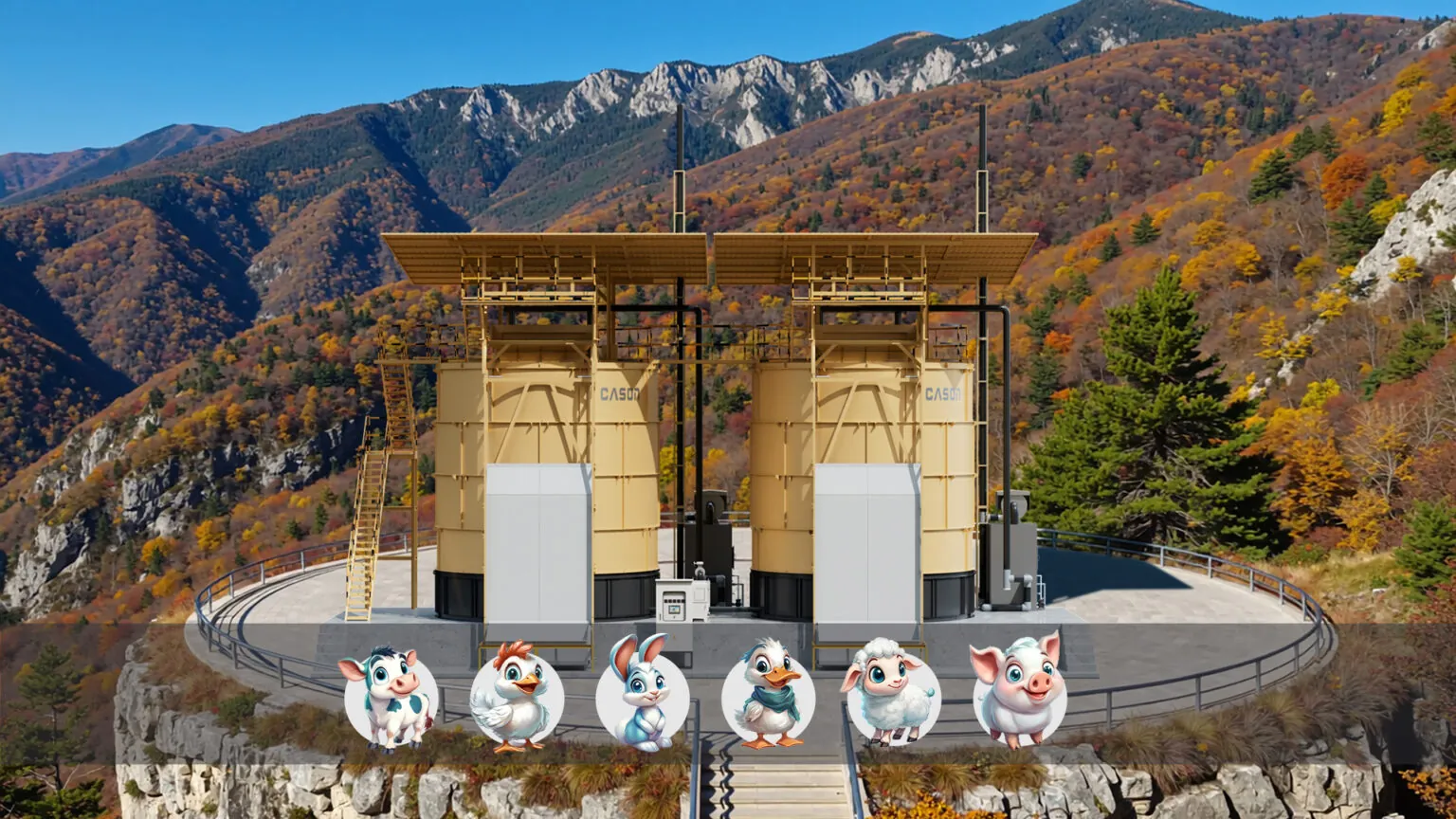
The Role of High-Temperature Aerobic Fermentation Tanks
High-temperature aerobic fermentation tanks play a crucial role in the efficient conversion of organic waste into viable fertilizer. Unlike traditional composting methods that can take weeks or even months, our fermentation tanks expedite the process, transforming raw materials into nutrient-rich compost in a matter of days. This efficient breakdown mechanism is achieved through controlled high temperatures that facilitate aerobic respiration, ensuring that harmful pathogens and contaminants are effectively eliminated.
The result is a sanitized and high-quality fertilizer, ready to be utilized in promoting plant growth and enhancing soil health. Choosing our high-temperature aerobic fermentation tanks means investing in a system that streamlines waste management while improving overall agricultural outputs.
Energy-Saving Features for Sustainable Operations
In line with our commitment to sustainability, our energy-saving fertilizer fermentation tanks are designed with efficiency at their core. We incorporate advanced technologies that reduce energy consumption significantly compared to conventional systems. This is particularly vital in today’s operating environments, where rising energy costs can substantially impact operating budgets.
Our energy-saving tanks utilize optimized aeration systems to maintain the ideal conditions for aerobic fermentation without excessive energy use. By harnessing high-efficiency drive technologies, we ensure that our fermentation processes remain cost-effective while reducing the carbon footprint associated with fertilizer production.
This focus on energy efficiency not only contributes to lower operational costs but also aligns seamlessly with the goals of businesses striving to meet ESG criteria. We believe that sustainable operations are key to achieving corporate responsibility, and our tanks are an integral part of that mission.
Enhancing Fertilizer Quality and Crop Yield
The quality of the fertilizer produced by our fermentation tanks directly influences agricultural outcomes. The nutrient-rich compost generated through high-temperature aerobic fermentation is not only effective in enhancing soil fertility but also contributes to improved crop yields. As farmers increasingly focus on quality and sustainability, having an efficient and reliable fermentation process becomes vital.
We also recognize the importance of adaptability in our systems. Our energy-saving fertilizer fermentation tanks are designed to accommodate a variety of raw materials, including animal waste, crop residues, and food by-products. This flexibility allows farmers to make the best use of available resources, effectively reducing waste while producing high-quality fertilizer.
Commitment to Sustainable Agriculture
At Cason, we are committed to supporting our partners in their sustainability endeavors. Our innovative fertilizer fermentation solutions not only meet the needs of today’s agricultural practices but also pave the way for responsible farming practices in the future. The integration of energy-saving features into our high-temperature aerobic fermentation tanks represents our dedication to continuous improvement and commitment to sustainability.
By choosing Cason’s technology, organizations are not only investing in high-performance solutions but also in a partnership focused on resilience and sustainability. We believe that together, we can foster agricultural practices that benefit the environment, society, and the economy alike. Engaging with our solutions means taking an active step toward a more sustainable and responsible agricultural framework, where quality and efficiency go hand in hand.