
Managing waste efficiently is a growing challenge for poultry farms. At Cason, we understand that proper composting is not only about reducing environmental impact but also about enhancing operational efficiency. Investing in a high-temperature aerobic fermentation tank offers more than just a way to handle organic waste. It can deliver measurable returns that go beyond the obvious.
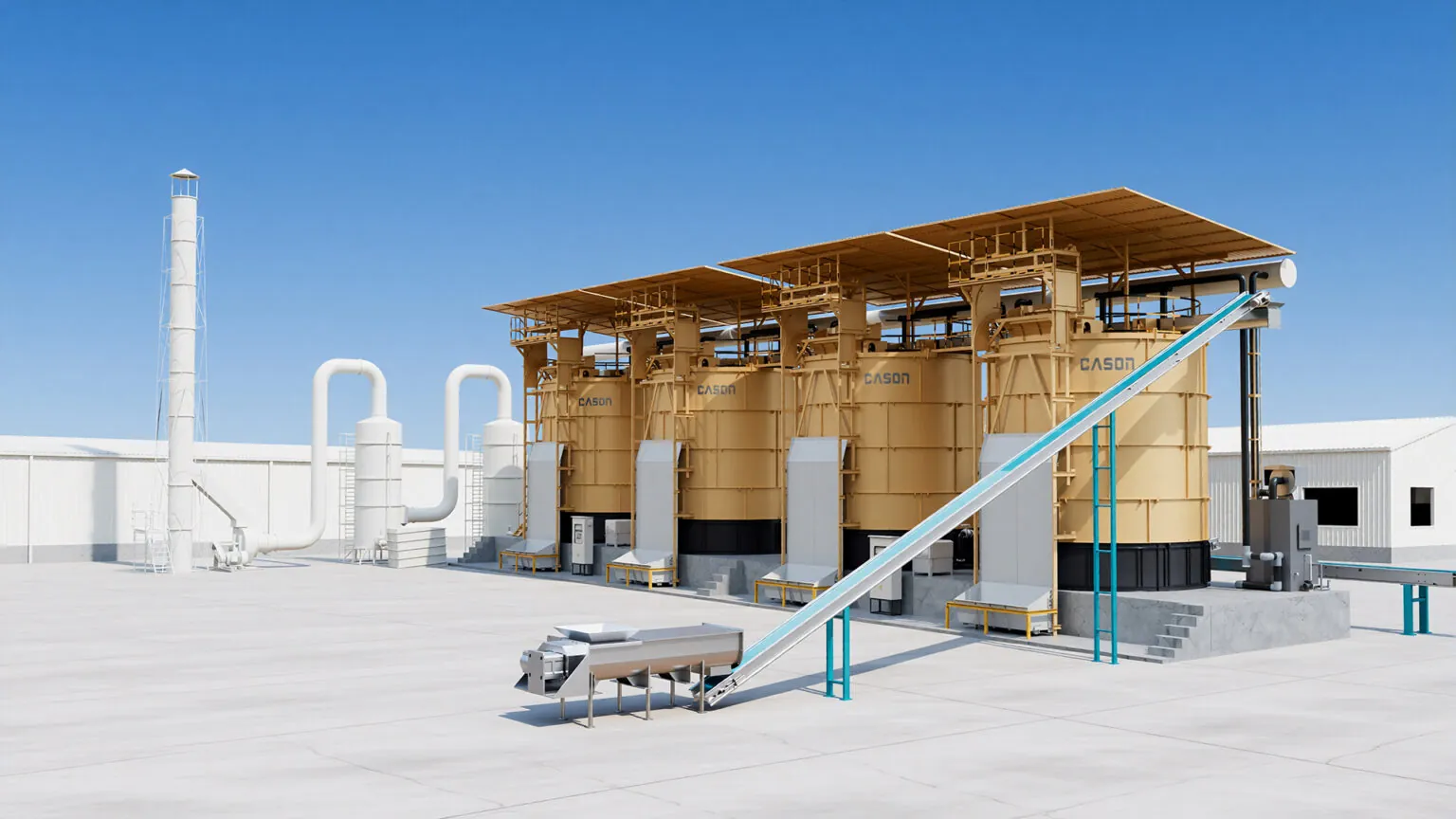
How High-Temperature Aerobic Fermentation Tanks Improve Poultry Farm Operations
A high-temperature aerobic fermentation tank is designed to accelerate the breakdown of poultry manure while maintaining a controlled environment. This process ensures that harmful pathogens are eliminated, odors are reduced, and the composted material is safe for use as fertilizer. For poultry farms, this means a cleaner, healthier environment for both birds and workers, which can translate into fewer disease outbreaks and improved overall productivity.
Cason’s approach to aerobic fermentation emphasizes temperature stability and oxygen circulation, allowing the composting process to remain consistent even with large volumes of manure. This level of control reduces the risk of fermentation failure and ensures that the compost reaches maturity faster, which shortens the turnaround time for reusable material.
Energy-Saving Compost Tanks Reduce Operational Costs
One of the often-overlooked benefits of an energy-saving compost tank is its ability to lower energy consumption. Traditional composting systems can require significant energy to maintain optimal conditions, especially when processing large amounts of waste. Our energy-saving compost tanks are engineered to minimize electricity usage while still maintaining the high temperatures required for efficient fermentation.
By reducing energy input without compromising output, farms can see a direct reduction in operational costs. Over time, these savings accumulate, effectively offsetting the initial investment in advanced composting equipment. Additionally, optimized energy use supports sustainability goals, which is increasingly important for farms looking to meet environmental regulations or attract eco-conscious partners.
Operational Efficiency and Waste Management Benefits
The adoption of a high-temperature aerobic fermentation tank allows farms to streamline their waste management processes. With Cason‘s equipment, daily handling of manure becomes less labor-intensive, freeing staff to focus on other operational areas. Improved compost quality also means that the resulting fertilizer can be used on-site or sold, creating an additional revenue stream.
Beyond cost savings and labor efficiency, farms benefit from the reduction of odors and leachate, which improves community relations and meets environmental standards. Investing in a robust energy-saving compost tank is a strategic move that combines environmental responsibility with practical business benefits.
Cason’s DT-280E exemplifies this approach. It is specifically designed to handle high-volume poultry manure efficiently, combining high-temperature aerobic fermentation with energy-saving features. For poultry farms looking to optimize waste management, reduce energy costs, and generate high-quality compost, the DT-280E is a practical and measurable investment.