
Managing operational costs is a key concern for facilities handling large volumes of organic waste. At Cason, we understand that energy consumption can make a significant impact on the bottom line. That’s why our high-temperature aerobic fermentation tank is designed not only for effective composting but also to reduce electricity usage through efficient engineering.
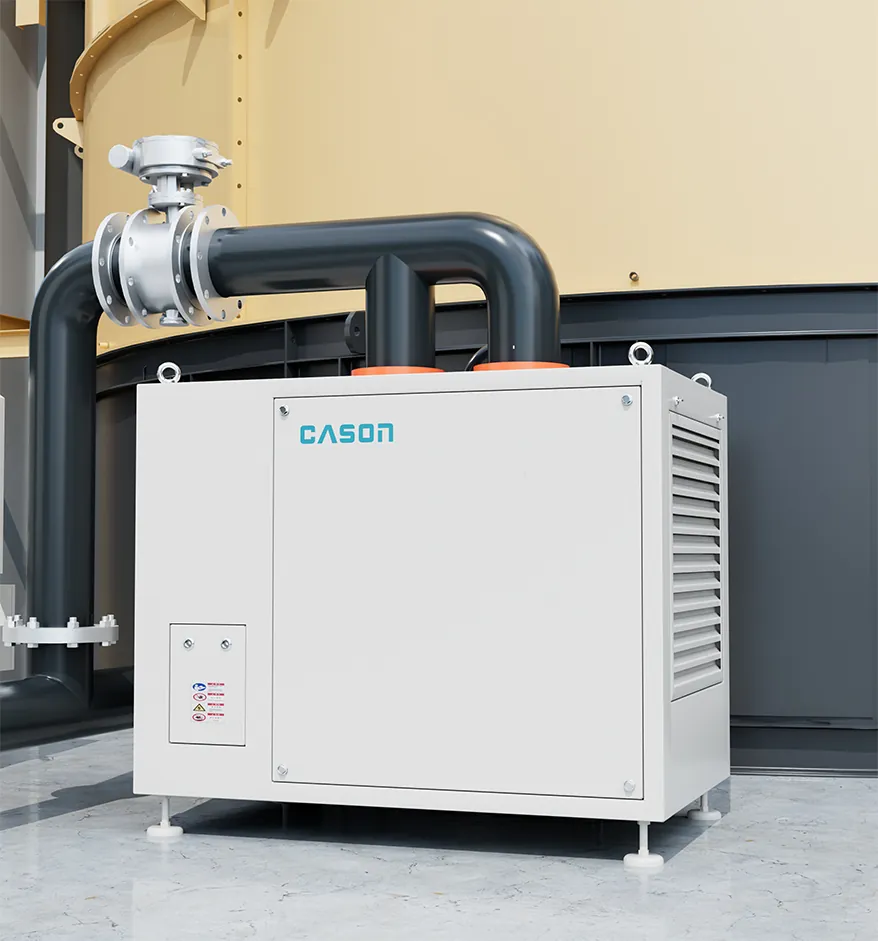
How High-Temperature Aerobic Fermentation Works
High-temperature aerobic fermentation tanks rely on controlled oxygen flow and temperature management to accelerate the breakdown of organic matter. The process generates heat naturally as microbes decompose the material. By optimizing aeration and insulation, our tanks maintain stable temperatures with minimal additional energy input. This approach ensures rapid decomposition while keeping operational costs manageable. With proper management, even challenging materials like food waste and agricultural residues can be processed efficiently without excessive electricity use.
Energy-Saving Compost Tanks in Practice
Energy efficiency is at the core of the DT-280E model. Its design minimizes the need for external heating by capturing and reusing the heat generated during aerobic fermentation. This reduces reliance on electric heaters and blowers, cutting electricity bills substantially. In addition, the tank’s motor and aeration system are engineered for low energy consumption while maintaining consistent airflow. The result is a system that keeps composting speeds high without inflating energy costs.
Another advantage of an energy-saving compost tank is the reduction of maintenance downtime. Fewer energy-intensive components mean less wear and tear, translating into longer service life and fewer repairs. Facilities benefit from lower operational costs not only in energy bills but also in maintenance expenses.
Practical Benefits for Facilities
Implementing a high-temperature aerobic fermentation tank offers measurable advantages. Facilities can process organic waste faster, reduce odors, and maintain hygienic conditions without incurring high electricity costs. The energy-efficient design allows operators to scale operations without worrying about proportional increases in utility bills. For businesses managing multiple waste streams, this efficiency supports a more predictable and manageable operating budget.
DT-280E: Efficient and Reliable
Cason’s DT-280E embodies the principles of energy-conscious composting. By combining high-temperature aerobic fermentation with smart energy-saving features, it provides a solution that balances speed, reliability, and cost-effectiveness. Facilities using the DT-280E can confidently handle large-scale organic waste processing while keeping energy consumption under control. Its performance ensures that composting remains both environmentally responsible and financially sustainable.
By focusing on energy efficiency, Cason helps businesses reduce electricity consumption without compromising composting effectiveness. Choosing the DT-280E means investing in a system that supports sustainable operations while lowering operational expenses.