
Organic waste from farms, food processing facilities, and agricultural operations is often seen as a burden. Yet with the right technology, this biowaste becomes a source of value rather than a disposal cost. At the heart of this transformation is the high-temperature aerobic fermentation tank, a core component of a modern waste-to-fertilizer system that systematically converts organic residues into nutrient-rich fertilizer.
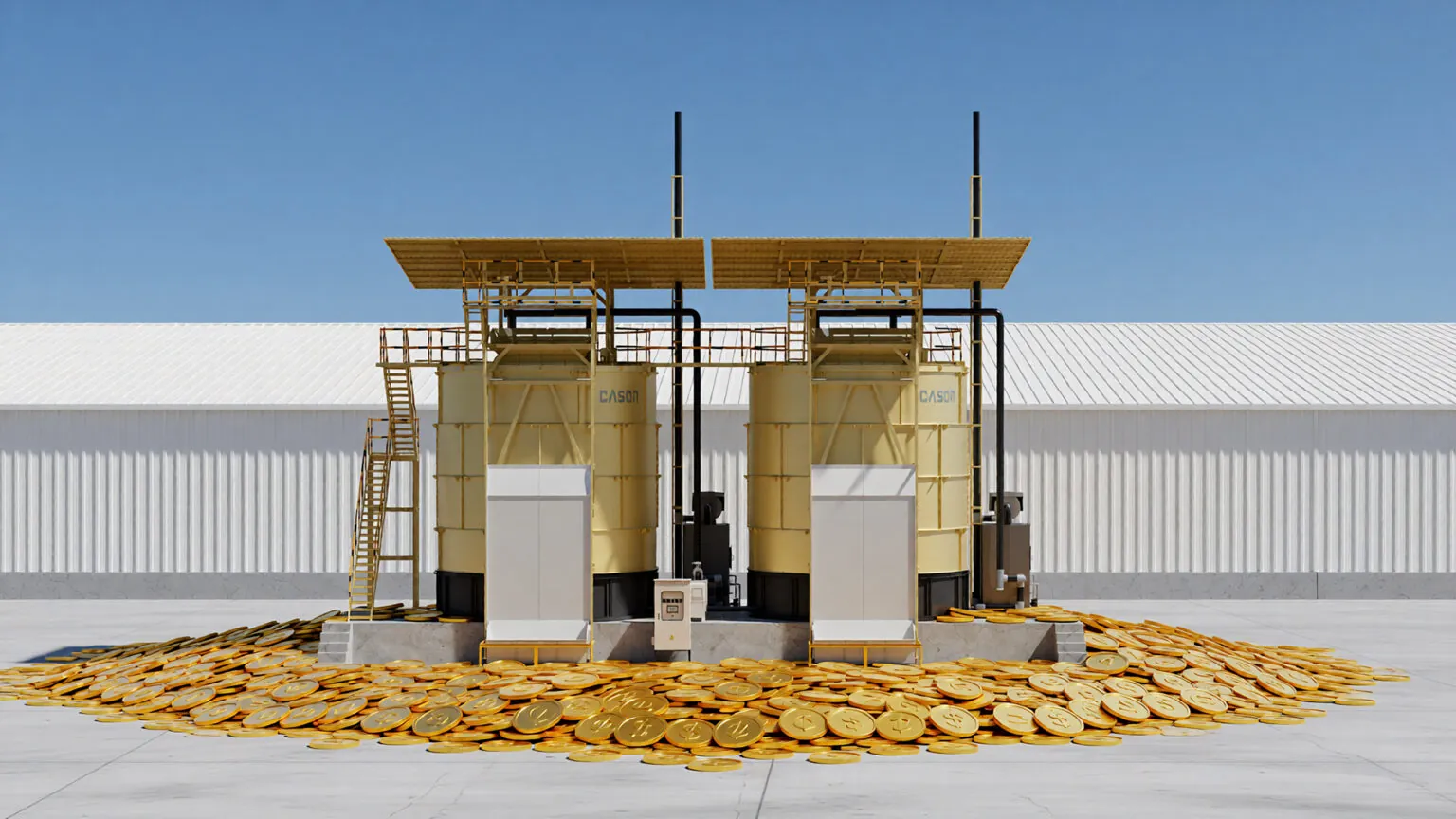
Turning Biowaste into an Asset
Organic waste materials such as livestock manure, crop residues, and food scraps contain nutrients that can enhance soil health when properly processed. Traditionally, inefficiencies in waste handling have led to slow decomposition, unpleasant odors, and environmental concerns. A waste-to-fertilizer system changes this dynamic by focusing on controlled biological transformation. In a high-temperature aerobic fermentation tank, microorganisms accelerate the breakdown of organic matter under optimal temperature and oxygen conditions. This method delivers rapid decomposition while reducing pathogens and odors that are common in unmanaged piles. High-temperature aerobic fermentation also lowers the moisture content and volume of waste, making it much easier to manage and transform into valuable products.
Economic Advantages of Efficient Fermentation
From a business perspective, the conversion of waste into fertilizer creates multiple revenue streams. First, the reduction in waste volume lowers hauling and disposal costs. Farms and facilities that previously spent on external waste management services can now internalize this process, reducing operating expenses. Second, the resulting organic fertilizer can be sold or applied on-site to improve soil structure and crop performance. Nutrient-rich compost products help retain moisture, reduce reliance on synthetic fertilizers, and support sustainable land use.
Implementing a waste-to-fertilizer system also aligns with broader sustainability goals. By diverting biodegradable waste from landfills and promoting resource recovery on-site, businesses can reduce their environmental footprint and comply with emerging regulatory expectations around waste management and nutrient recycling.
Integration and Automation for Better Returns
Modern systems emphasize automation and control to maximize operational efficiency. Remote conveying systems can transport raw inputs and finished fertilizer without intensive labor, while IoT-enabled control panels ensure precise monitoring of temperature, aeration, and process timing. These integrated features reduce the need for manual oversight and help maintain consistent product quality.
Over time, the operational savings from energy optimization, reduced labor, and improved process control contribute to a clear return on investment. Businesses adopting advanced fermentation tanks benefit from streamlined workflows and stabilized fertilizer output.
Choosing the Right Technology for Your Waste Strategy
Selecting the appropriate high-temperature aerobic fermentation tank is key to realizing the economic potential of biowaste. Factors such as processing capacity, automation features, and energy efficiency influence both short-term performance and long-term value.
A noteworthy example is the Cason DT-280E. Built with energy-saving systems and centralized odor control, this tank supports efficient processing of solid organic waste into high-value fertilizer. Its automated control and energy-saving features contribute to cost containment while ensuring reliable, consistent outputs that enhance soil fertility and support circular waste-to-resource strategies.
By rethinking waste management as a value-creation process, businesses can optimize both environmental performance and profitability. Investing in a well-designed waste-to-fertilizer system leads to tangible economic benefits and supports more sustainable agricultural and industrial practices.