
Across modern agriculture and livestock management, the safe handling of organic waste has become increasingly important. The animal carcass composting machine is now widely used to process livestock and poultry remains in a controlled environment, turning biological waste into stable organic fertilizer. At the same time, advances in automation are reshaping composting systems. By combining sensor networks, data analysis, and remote connectivity, the automatic compost machine is evolving into a smarter and more reliable solution for farms and waste treatment facilities.
At Cason, we see the integration of Internet of Things technologies as a key step in improving the efficiency, safety, and transparency of composting operations.
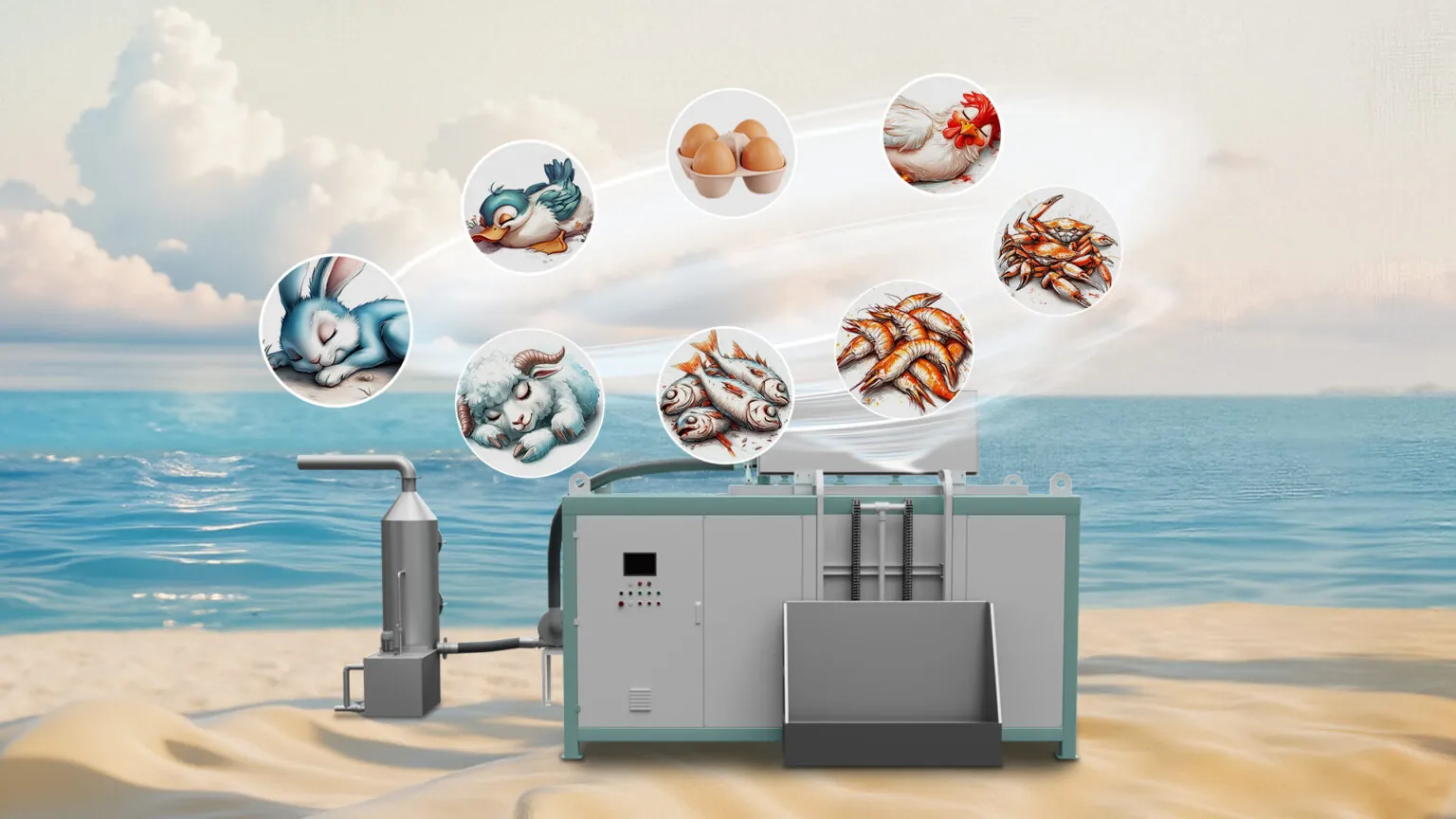
How IoT Supports Smart Composting Systems
Traditional composting requires constant monitoring of environmental conditions such as temperature, moisture, and oxygen levels. If these factors fluctuate, the microbial activity responsible for decomposition may slow down or produce undesirable odors.
IoT technology allows these variables to be monitored automatically. Sensors embedded in the composting chamber collect real-time data and transmit it to a centralized control system. The machine can then adjust aeration, mixing, and heating functions accordingly. This automated regulation maintains optimal conditions for microbial fermentation and ensures a consistent composting process.
Modern composting systems already rely on automated mixing, airflow control, and temperature management to accelerate organic decomposition and reduce labor requirements.
With IoT connectivity, operators can access this operational data remotely through digital dashboards. This level of visibility helps farms track equipment performance and maintain stable treatment conditions even across multiple facilities.
Applications in Animal Carcass Composting
When processing livestock mortality, safety and biosecurity are critical considerations. An advanced animal carcass composting machine must achieve rapid decomposition while preventing pathogen spread.
IoT integration strengthens this capability by enabling precise control over fermentation stages. For example, temperature sensors ensure the composting chamber reaches the high heat levels required to eliminate harmful microorganisms. Real-time alerts can also notify operators if abnormal conditions appear, allowing quick adjustments before issues develop.
Cason systems incorporate intelligent control technology that monitors temperature, humidity, and oxygen levels while supporting remote monitoring and data analysis. This approach improves operational stability and enhances process standardization.
Such digital oversight is particularly valuable for large livestock farms where multiple compost units operate simultaneously.
Data-Driven Compost Management
Another advantage of IoT-enabled composting machines is the ability to accumulate operational data over time. By analyzing historical data sets, operators can refine feeding schedules, optimize processing cycles, and reduce energy consumption.
Data-driven insights also support predictive maintenance. If sensors detect abnormal vibration, temperature fluctuations, or airflow changes, the system can alert technicians before mechanical problems occur. This helps reduce unexpected downtime and ensures that composting operations continue without interruption.
For agricultural enterprises, these improvements translate into more stable waste treatment and better utilization of organic resources.
Toward Intelligent and Sustainable Waste Solutions
The future of composting technology is moving toward greater connectivity and automation. As IoT continues to develop, the automatic compost machine will become increasingly intelligent, capable of adapting to changing feedstock conditions and operating environments.
At Cason, we continue to integrate digital monitoring and intelligent control into every animal carcass composting machine we design. By combining biological processing with smart data systems, we help farms transform organic waste into safe fertilizer while maintaining efficient and responsible waste management practices.