
Managing organic waste at scale is one of the biggest challenges for today’s large agricultural operations. With increasing environmental regulations and the dual pressure to reduce costs while improving sustainability, many farms are asking whether a commercial compost machine is a sensible investment. For farms that produce tons of organic waste from livestock manure or crop residues, these systems offer an alternative to traditional disposal and fertilizer use.
Understanding Commercial Composting Machines
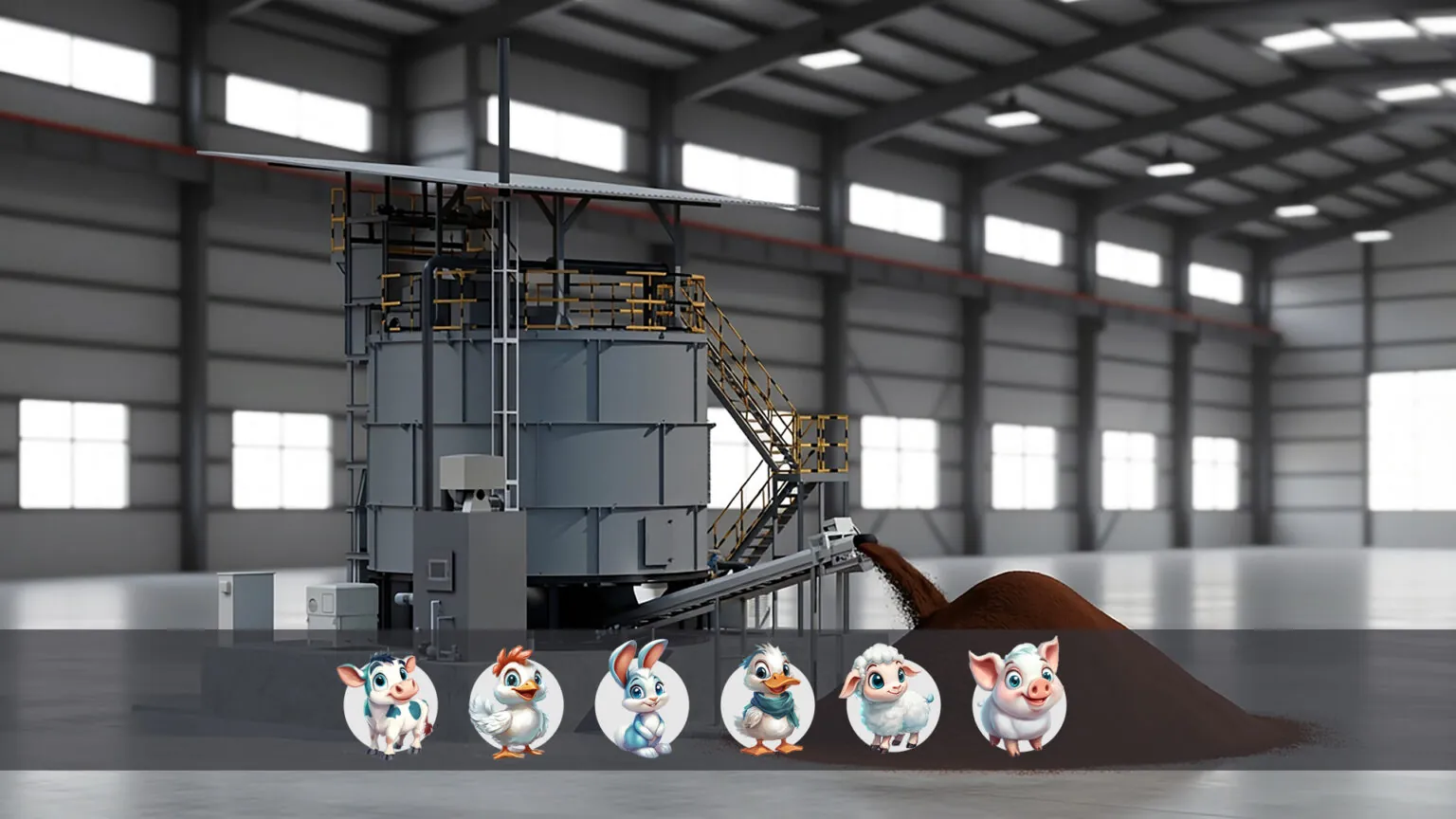
A commercial composting machine is engineered to process high volumes of organic material far more efficiently than traditional methods. These systems automate temperature control, aeration, and mixing to accelerate microbial breakdown of organic matter into quality compost. Compared to slow windrow piles, an enclosed machine has tighter control over conditions, often resulting in faster processing cycles with reduced odors and improved hygiene.
Major manufacturers like Cason provide models such as the C-160E that are specifically tailored for livestock and poultry waste management. These systems include remote conveying features that eliminate much of the manual handling associated with moving raw waste, plus centralized deodorization to improve on-farm air quality. The automation and intelligent control systems also reduce downtime and simplify operations.
Operational Efficiency and Cost Implications
For large farms, labor and waste disposal costs can be significant. Commercial composting machines cut down the need for manual labor by automating key steps such as feeding, mixing, aerating, and monitoring. The control systems in advanced units gather operational data in real time, allowing staff to manage composting processes remotely and make adjustments that maintain optimal conditions without constant manual oversight.
On the cost side, up-front investment can be substantial, especially for high-capacity machines. However, savings can accrue over time. Farms that compost their own waste reduce reliance on external disposal services and lower transportation costs. By producing their own organic fertilizer, operators can also reduce or eliminate expenses on commercial chemical fertilizers. Quality compost enhances soil structure, improves moisture retention, and contributes nutrients that boost crop growth, potentially improving yields.
Environmental and Regulatory Value
Beyond pure economics, choosing a commercial compost machine sends a strong sustainability signal. Composting organic waste on-site minimizes methane emissions compared with landfill disposal and supports a circular resource economy by returning nutrients to the land. Many regulatory frameworks also favor on-farm waste processing, helping farms avoid fines or meet compliance requirements more easily.
Final Thoughts
For farms handling large quantities of organic waste, investing in a commercial composting machine can provide both environmental and operational benefits. Machines from established brands like Cason offer automation, energy efficiency, and integration with modern farm management systems. Over time, reduced waste handling costs and fertilizer savings can help balance initial expenditures while supporting more sustainable agricultural practices.