
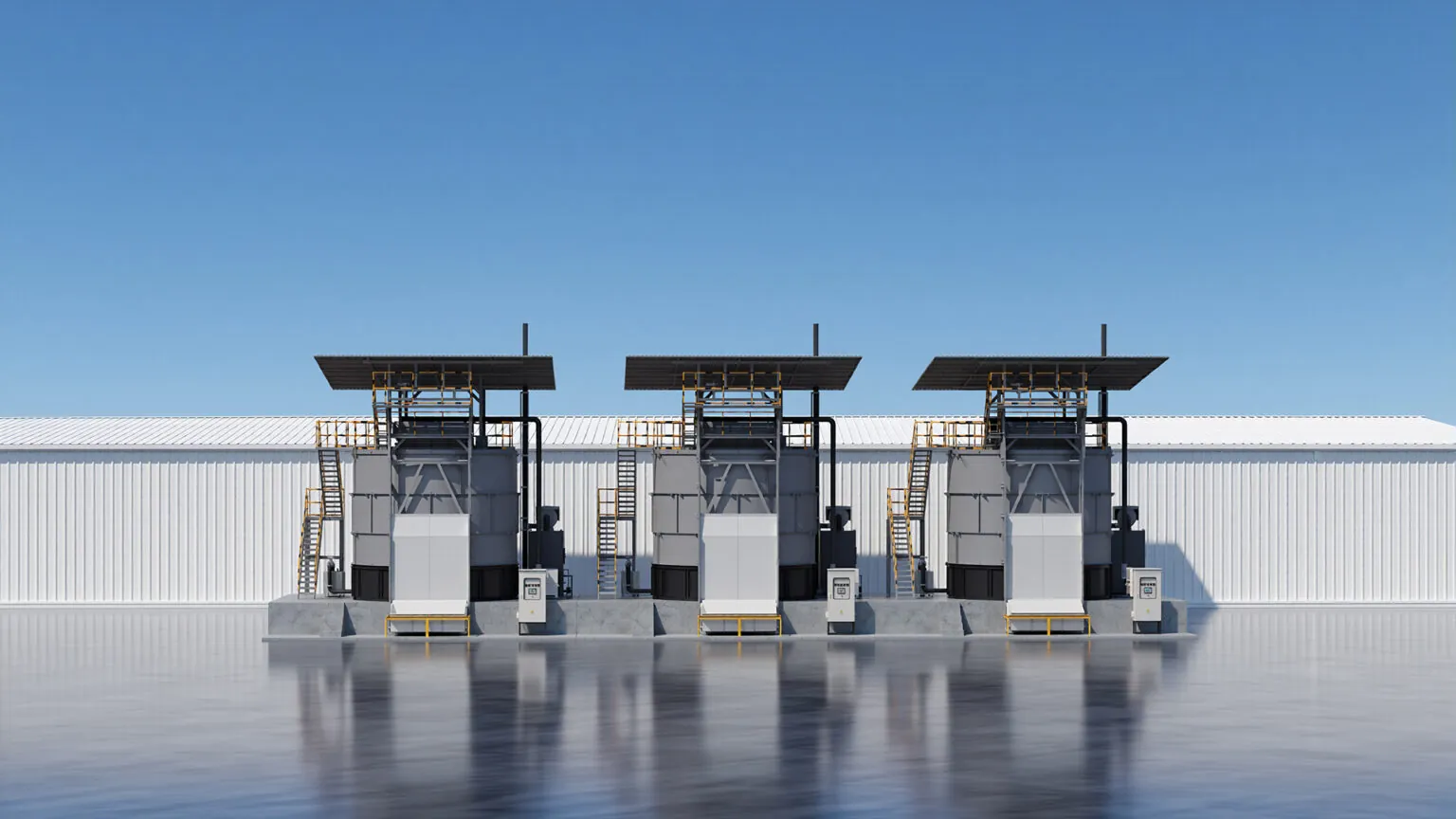
Managing organic waste efficiently is a priority for many businesses, from large kitchens and catering operations to institutions and food processing facilities. A commercial compost machine or commercial food waste composting machine can help facilities convert food scraps into nutrient-rich compost while reducing disposal costs and environmental impact. For projects with unique requirements, choosing a machine that can be customized ensures better integration, optimized performance, and reliable results.
Understanding Project Requirements
Every food waste management project has its own specifications. The daily volume of waste, types of organic material, available space, and operational workflow all influence the choice of equipment. Estimating the expected throughput and identifying specific waste characteristics helps determine the right configuration for a commercial food waste composting machine. Facilities with high moisture content in their waste or a large proportion of fibrous material may require additional processing features to maintain efficiency.
Customizing a composting system starts with a clear understanding of project goals. Managers should consider factors such as automation, aeration methods, temperature control, and waste loading mechanisms. Selecting the right combination of features ensures that the machine delivers consistent compost quality while reducing labor requirements and maintaining safe operating conditions.
Working with Experienced Manufacturers
Partnering with an experienced manufacturer like Cason can simplify the customization process. Factories that specialize in organic waste solutions provide detailed technical guidance, design flexibility, and support for installation and maintenance. Experienced suppliers can adapt their standard machines to meet project-specific requirements, whether it is adjusting capacity, incorporating advanced control systems, or optimizing chamber design for particular waste streams.
High-quality manufacturers prioritize equipment durability and operational stability. Customized machines retain core performance features while addressing the unique challenges of each project. Reliable suppliers also provide documentation, training, and technical support, helping project teams integrate the composting system efficiently into their workflow.
Key Customization Options
Customization can include adjusting the size and layout of the composting chamber, enhancing aeration and ventilation systems, or integrating sensors and automated controls. These modifications allow operators to maintain optimal composting conditions and monitor the process remotely. Some projects may also require odor control systems, high-capacity throughput, or energy-efficient operation, all of which can be incorporated into a tailored machine.
Benefits of Customized Solutions
Tailoring a commercial compost machine to a project ensures higher efficiency, better compost quality, and easier maintenance. Facilities benefit from equipment that fits their space and workflow, reduces labor demands, and supports sustainability objectives. Custom solutions also allow businesses to respond to regulatory requirements and environmental goals more effectively.
For organizations looking to implement a reliable and efficient composting system, the Cason C-160E commercial food waste composting machine provides customizable options for high-volume operations. Its flexible design, automated controls, and robust construction make it suitable for a wide range of projects, helping businesses manage organic waste efficiently while supporting environmental initiatives.