
In today’s increasingly eco-aware business environment, effectively managing organic waste is a priority for many enterprises. Food processing facilities, farms, hospitality groups, and other large-scale operations generate significant amounts of biodegradable material daily. Without proper handling, this material can contribute to greenhouse gas emissions, odor issues, and rising disposal costs. At the same time, there is a growing interest in transforming organic waste into nutrient-rich compost that supports soil health. Industrial composting machines, such as the commercial compost machine developed by Cason, offer practical solutions to these challenges while fulfilling a range of key functions and purposes.
Accelerating Decomposition Through Controlled Processes
One of the central functions of an industrial composting machine is to speed up the natural breakdown of organic matter. While traditional composting methods rely on large piles or windrows exposed to environmental conditions, industrial machines provide a controlled environment that optimizes temperature, aeration, and moisture. These conditions encourage aerobic microbial activity, breaking down food waste, agricultural residues, and other biodegradable materials more quickly and consistently than conventional techniques. By reducing the time required for composting, organizations can process more material in less space, which is especially valuable for facilities with limited land availability.
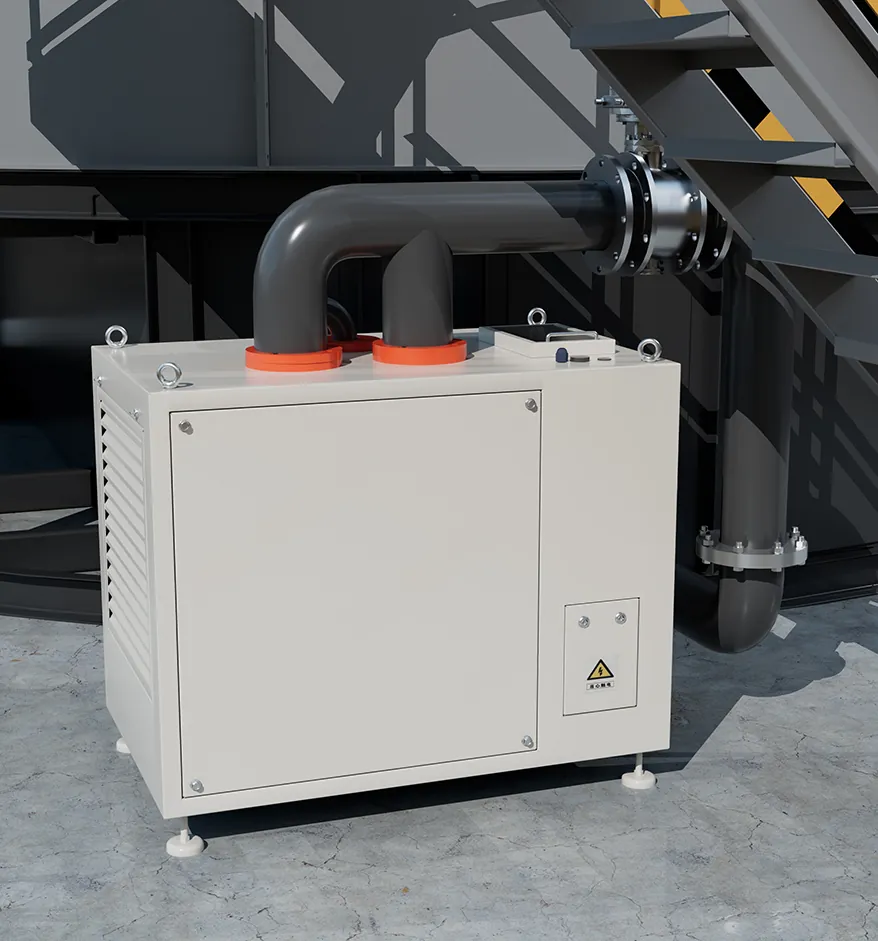
The Cason C-120E is a clear example of how such machines operate. With automated systems to maintain optimal temperatures and ensure even airflow, this unit allows businesses to manage organic waste efficiently without constant manual intervention. Its enclosed design also means the process generates fewer odors and mitigates pest concerns, supporting a cleaner work environment.
Turning Waste Into Valuable Compost
Beyond the sheer efficiency of decomposition, industrial composting machines serve a purposeful role in transforming what would otherwise be waste into nutrient-rich compost. This material can be used in agricultural applications, landscape maintenance, and soil improvement projects. For companies invested in sustainability reporting or circular economy strategies, this transformation is especially meaningful. Instead of organic waste contributing to landfill volume and methane emissions, it becomes a resource that enhances soil fertility and supports plant growth.
This purpose aligns with broader environmental objectives. Reducing reliance on external disposal services decreases transportation-related emissions and cuts costs. Producing compost on-site also enables businesses to keep waste management activities within their operational control, reinforcing accountability and sustainability targets.
Supporting Compliance and Operational Efficiency
Industrial composting machines also play a role in meeting regulatory requirements around waste handling and environmental performance. In regions with strict organic waste diversion laws or emission standards, having an effective on-site composting solution can help organizations stay in compliance. At the same time, equipment like the Cason C-120E is designed with energy-efficient components and user-friendly interfaces that support daily operational demands.
By addressing multiple waste management needs in a single platform, industrial composting machines are not only functional tools but also purposeful investments that help businesses handle organic material in ways that align with both environmental responsibility and operational practicality.