
As workplaces grapple with rising waste disposal costs and increasingly stringent environmental expectations, businesses are seeking smarter ways to manage organic waste. Among the practical solutions available, the commercial compost machine stands out for its ability to handle large volumes of biodegradable material efficiently. At Cason, we’ve focused on designing waste composter machines that not only process waste effectively but also reduce energy consumption and operating costs.
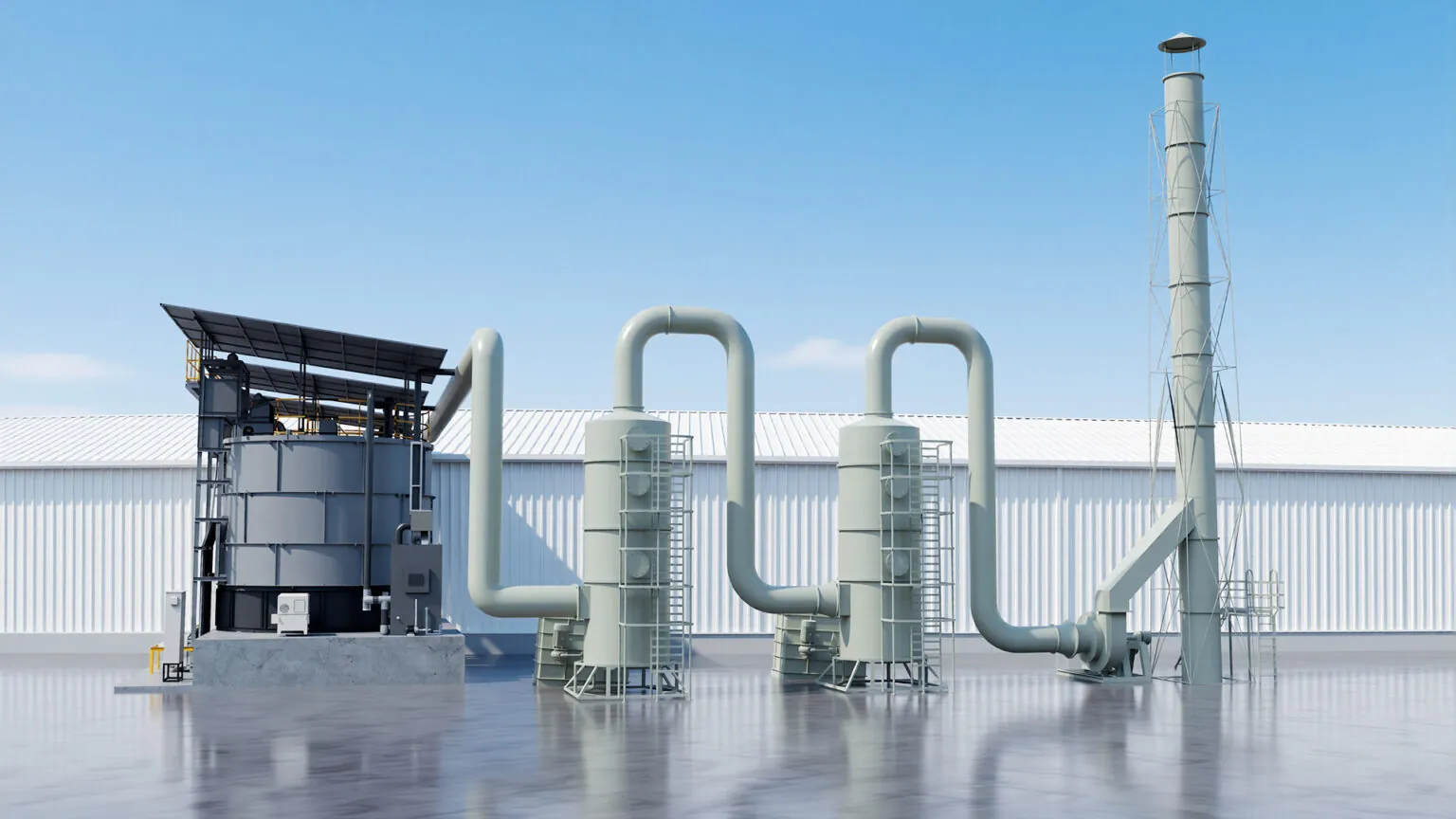
How Waste Composter Machines Work in Practice
A waste composter machine transforms organic waste into compost through a controlled aerobic process. Unlike traditional composting, which can take months and requires significant space, industrial-grade machines create optimal conditions for decomposition. They maintain stable temperatures, regulate airflow, and balance moisture. These factors allow microorganisms to thrive and break down food scraps, plant residues, and other organic inputs much faster.
For businesses in food processing, hospitality, agriculture, and manufacturing, this controlled method offers reliable output and consistent performance. With on-site processing, organizations minimize their reliance on external waste haulers and reduce the volume of materials sent to landfills.
Core Features That Make a Difference
The design of a waste composter machine plays a direct role in how well it performs. The commercial compost machine from Cason, particularly the C-120E model, integrates several intelligent systems that enhance both functionality and energy efficiency. One key feature is the automated temperature control. By closely monitoring internal heat levels, the machine ensures that organic material breaks down under optimal conditions. This not only accelerates the composting cycle but also helps maintain energy balance so that power is used only when necessary.
Another important feature is aeration management. Waste composters require oxygen for aerobic decomposition, but inefficient aeration can waste energy and reduce performance. Our machines use automated air circulation systems designed to deliver just the right amount of airflow, avoiding unnecessary fan runtime and energy use. The enclosed composting chamber also helps retain heat, which contributes to faster processing and a more energy-efficient operation overall.
Energy Savings That Matter
Energy efficiency matters to organizations seeking to reduce operating costs while cutting their environmental footprint. Because waste composter machines process organic waste in a self-contained system, they eliminate much of the energy expenditure associated with traditional waste handling and manual turning of compost piles. By automating key functions, these machines reduce labor requirements and improve operational consistency.
The Cason C-120E further enhances energy performance through smart monitoring and control features. Users can track machine status, adjust settings, and access data that supports efficient waste handling. With lower power usage and reduced dependency on auxiliary systems, businesses can achieve tangible savings over the course of daily operation.
What This Means for Your Business
Investing in a waste composter machine is about more than managing waste. It’s about adopting a method that improves efficiency, supports environmental goals, and reduces the burdens associated with organic disposal. By choosing equipment designed with energy-saving features in mind, companies can make progress toward sustainable operations while maintaining productivity and cost-effectiveness.