
In modern agricultural waste management, efficiency and consistency are essential for turning organic waste into high-quality fertilizer. At the center of this process is automated feeding, a feature that ensures steady input and optimal conditions within a high-temperature aerobic fermentation tank. Cason designs systems that integrate this technology seamlessly, enabling businesses to operate a more reliable and predictable waste-to-fertilizer system.
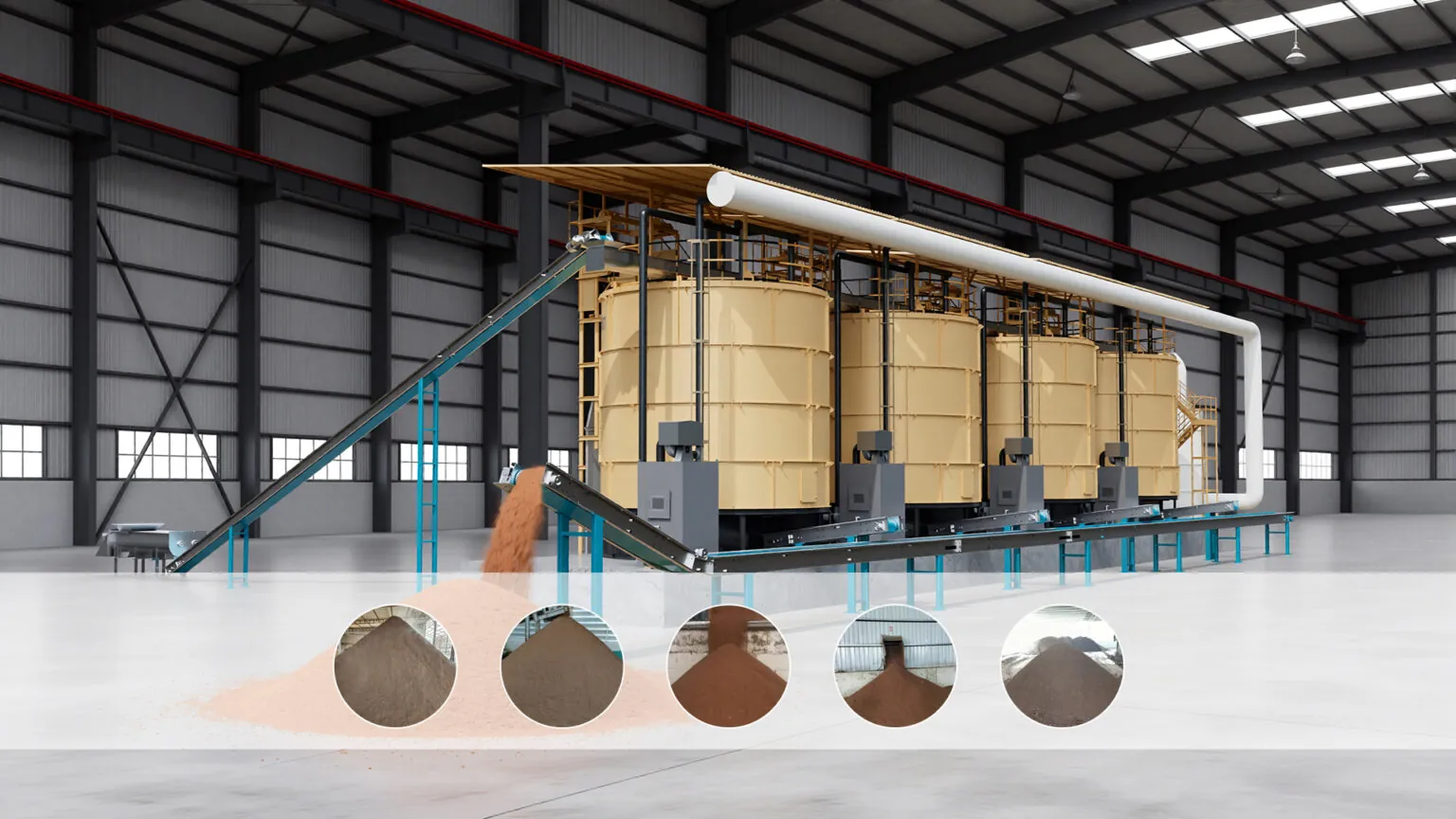
The Role of Automated Feeding in Waste Processing
Automated feeding eliminates the challenges of manual input, including uneven material distribution and fluctuating fermentation conditions. By providing precise control over the amount and timing of organic waste introduced into the high-temperature aerobic fermentation tank, the system maintains consistent microbial activity. This consistency supports stable temperatures and oxygen levels, which are critical for efficient decomposition and pathogen reduction.
For companies seeking a waste-to-fertilizer solution, automated feeding reduces labor requirements while enhancing the overall quality of the composted product. It allows operations to scale without compromising performance, providing a steady flow of processed material suitable for agricultural use.
Optimizing Fermentation Conditions
The high-temperature aerobic fermentation tank is designed to handle the intensive breakdown of organic matter under controlled conditions. Automated feeding works in tandem with sensors and monitoring systems to maintain optimal temperature, moisture, and aeration. This synergy ensures that the microbial population remains active, accelerating the transformation of waste into nutrient-rich fertilizer.
In addition, precise feeding schedules prevent overloading the tank, which can lead to anaerobic pockets and unpleasant odors. For businesses managing large volumes of organic waste, this level of control is crucial for maintaining hygiene and environmental compliance.
Advantages for Commercial Operations
Integrating automated feeding into a waste-to-fertilizer system brings measurable benefits to commercial operations. Consistency in feeding reduces process variability, which in turn improves the reliability of output and nutrient content. Reduced manual handling also minimizes labor costs and potential exposure to raw waste, contributing to safer workplace conditions.
Furthermore, automated systems can be adapted to various feedstock types, whether agricultural residues, food waste, or livestock manure. This flexibility allows companies to optimize the fermentation process based on the characteristics of the input material, resulting in a more efficient and effective system.
Transforming Waste Management with Cason
Cason’s approach to waste-to-fertilizer systems emphasizes automation, precision, and operational efficiency. The DT-280E model incorporates automated feeding with a robust high-temperature aerobic fermentation tank, providing a practical and scalable solution for businesses aiming to convert organic waste into valuable fertilizer. By combining intelligent feeding control with reliable fermentation technology, Cason offers systems that support sustainable agriculture while simplifying waste management.
For enterprises seeking a comprehensive waste-to-fertilizer solution, the DT-280E delivers consistent results, reduced labor requirements, and optimized compost quality. Its integration of automated feeding technology ensures that each batch of organic material is processed efficiently, transforming waste into a resource that benefits both business and environment.