
The rise of sustainable agriculture has led to increased interest in effective organic fertilizer production methods. Among various options available, the high temperature aerobic organic fertilizer fermentation tank has gained significant traction. Understanding both their benefits and potential drawbacks is crucial for businesses considering this technology.
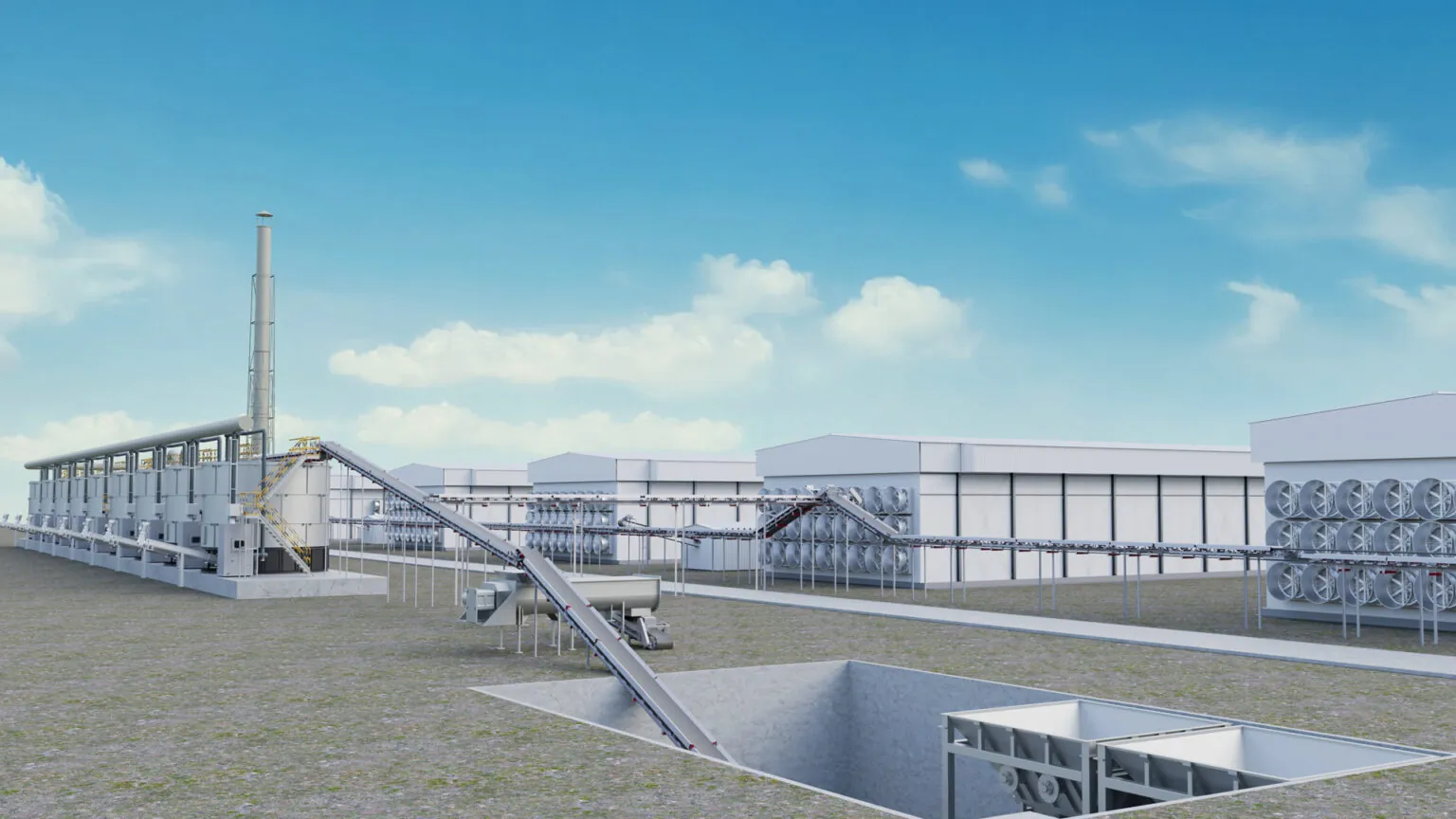
Benefits of High Temperature Aerobic Organic Fertilizer Fermentation Tanks
High temperature aerobic fermentation tanks offer several advantages that can significantly enhance the efficiency of organic fertilizer production. One key benefit is the accelerated decomposition of organic materials. The elevated temperatures within these tanks promote microbial activity, resulting in quicker processing times as compared to standard fermentation methods. This rapid breakdown is particularly beneficial for businesses looking to scale up organic fertilizer production without sacrificing quality.
Additionally, high temperature fermentation often leads to a more uniform product. When using an organic fertilizer fermentation tank designed for high-temperature processes, businesses can maintain consistent environmental conditions, leading to more predictable outcomes. The precise control over temperature and aeration allows for tailored fermentation processes suited to particular raw materials, thereby optimizing the nutrient profile of the final product.
Furthermore, the hoppered lifting system integrated into many high temperature aerobic fermentation tanks ensures efficient material handling. By allowing for accurate feeding of materials with high solid content or moisture, this system helps maintain uniform fermentation levels. This not only enhances overall productivity but also reduces the likelihood of batch variability, making it a smart choice for commercial operations.
Drawbacks of High Temperature Aerobic Fermentation Tanks
Despite their numerous advantages, high temperature aerobic fermentation tanks do come with certain disadvantages that should be considered. One such drawback is the initial investment required to set up these systems. The advanced technology and materials used in constructing these tanks are costly, which might pose a barrier for smaller businesses or startups in the organic fertilizer market.
Moreover, operating at high temperatures can present additional challenges. For example, maintaining optimal temperature levels requires diligent monitoring and control. If not managed properly, fluctuations can occur, potentially compromising the fermentation process. This necessitates a robust management system, which can incur additional operational costs.
Lastly, while the high-temperature process is effective, it may not be suitable for all types of organic materials. Certain feedstocks can degrade under the intense conditions, limiting the versatility of high temperature aerobic fermentation tanks for diverse organic waste inputs.
Final Thoughts on High Temperature Aerobic Fermentation Solutions
As businesses navigate the world of organic fertilizer production, understanding the pros and cons of high temperature aerobic fermentation tanks becomes essential. At Cason, we recognize the importance of providing quality solutions tailored to your unique needs. Our C-90E organic fertilizer fermentation tank, equipped with an efficient hopper lifting system, ensures consistent and effective fermentation processes. Embracing innovation has never been easier with our reliable systems designed to elevate your organic fertilizer production to new heights. Let us partner with you towards achieving sustainable agricultural goals while maximizing productivity.