
Ensuring the safe operation of high-temperature organic waste fermentation systems is crucial for maximizing efficiency and minimizing risks. Understanding how to properly manage these systems, especially the high-temperature aerobic organic fertilizer fermentation tank, can significantly enhance the operational safety and effectiveness of waste treatment. This article explores essential safety tips to guide efficient management of organic fertilizer fermentation tanks.
Understanding the Risks
High-temperature fermentation processes can yield significant benefits in organic waste management, but they also come with inherent risks. It’s vital to recognize that equipment heat levels can exceed safe operating limits, leading to potential hazards such as thermal burns and equipment damage. The organic fertilizer fermentation tank often operates under conditions that can generate flammable gases. Regular monitoring of temperature and gas emissions is essential. Implementing stringent safety protocols is not just advisable but necessary when dealing with high temperature aerobic organic fertilizer fermentation tank.
Key Operational Practices
To ensure safe operation, a checklist of best practices is essential:
- Regular Maintenance and Inspections: Periodic checks on the fermentation tank’s operational health can prevent major issues. Inspect valves, seals, and connections to ensure that there are no leaks or weaknesses that could compromise safety.
- Training and Certification: It is imperative that personnel operating the high-temperature organic waste fermentation systems receive adequate training. Certification programs that focus on safety practices and operational procedures can prepare them to handle emergencies effectively.
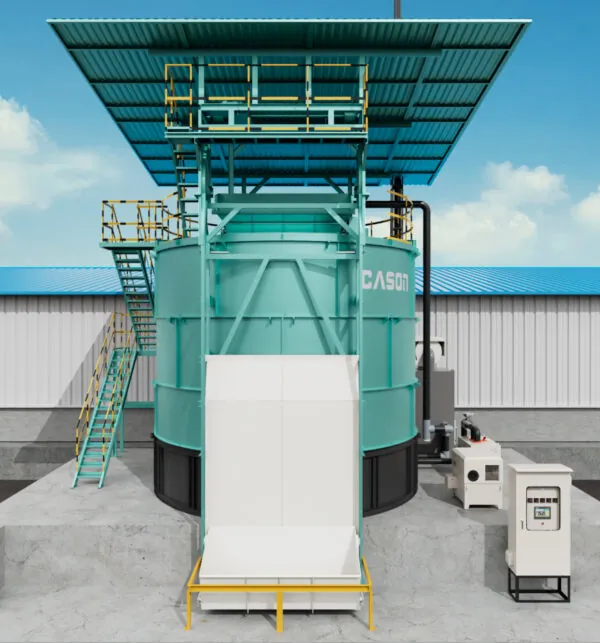
- Use of IoT and AI Technologies: Integrating smart technologies into your fermentation processes can significantly enhance safety. Our C-90E organic fertilizer fermentation tank is equipped with IoT and AI functionalities that allow for real-time monitoring. This connected intelligence system provides data on fermentation conditions, enabling users to adjust parameters proactively. This not only optimizes the process but also minimizes the likelihood of safety breaches.
Emphasizing Safety Culture
Developing a robust safety culture within your organization is crucial. Encourage open communication about safety practices, and ensure that staff feel empowered to report potential hazards. Regular safety drills and meetings can reinforce the importance of these practices. When teams are well-informed and vigilant, they contribute to a safer working environment when operating high-temperature organic fertilizer fermentation tanks.
From Our Team at Cason
At Cason, we prioritize safety and efficiency in organic waste management. Our C-90E organic fertilizer fermentation tank is designed with smart technologies, enabling data-driven operations that enhance both safety and performance. By empowering our clients with intelligent tools for monitoring and analytics, we ensure that decisions can be made swiftly and resources utilized effectively. Join us in advancing the future of organic waste treatment with cutting-edge safety measures and technology integration. Through collaboration and innovation, we can achieve safer and more efficient operations in the field of organic fertilizer fermentation.