
The choice of composting technology is crucial for any agricultural business looking to optimize manure management. Among the various options available, aerobic high-temperature composting stands out for its efficiency and effectiveness. This article explores this method alongside alternative composting technologies to determine the best approach for manure processing.
Understanding Aerobic High-Temperature Composting
Aerobic high-temperature composting involves the use of microbial activity to break down organic materials at elevated temperatures. This method not only accelerates the decomposition process but also helps eliminate pathogens, making it safer for agricultural use. The high temperature achieved in aerobic conditions further enhances the quality of the final product, resulting in nutrient-rich organic fertilizer.
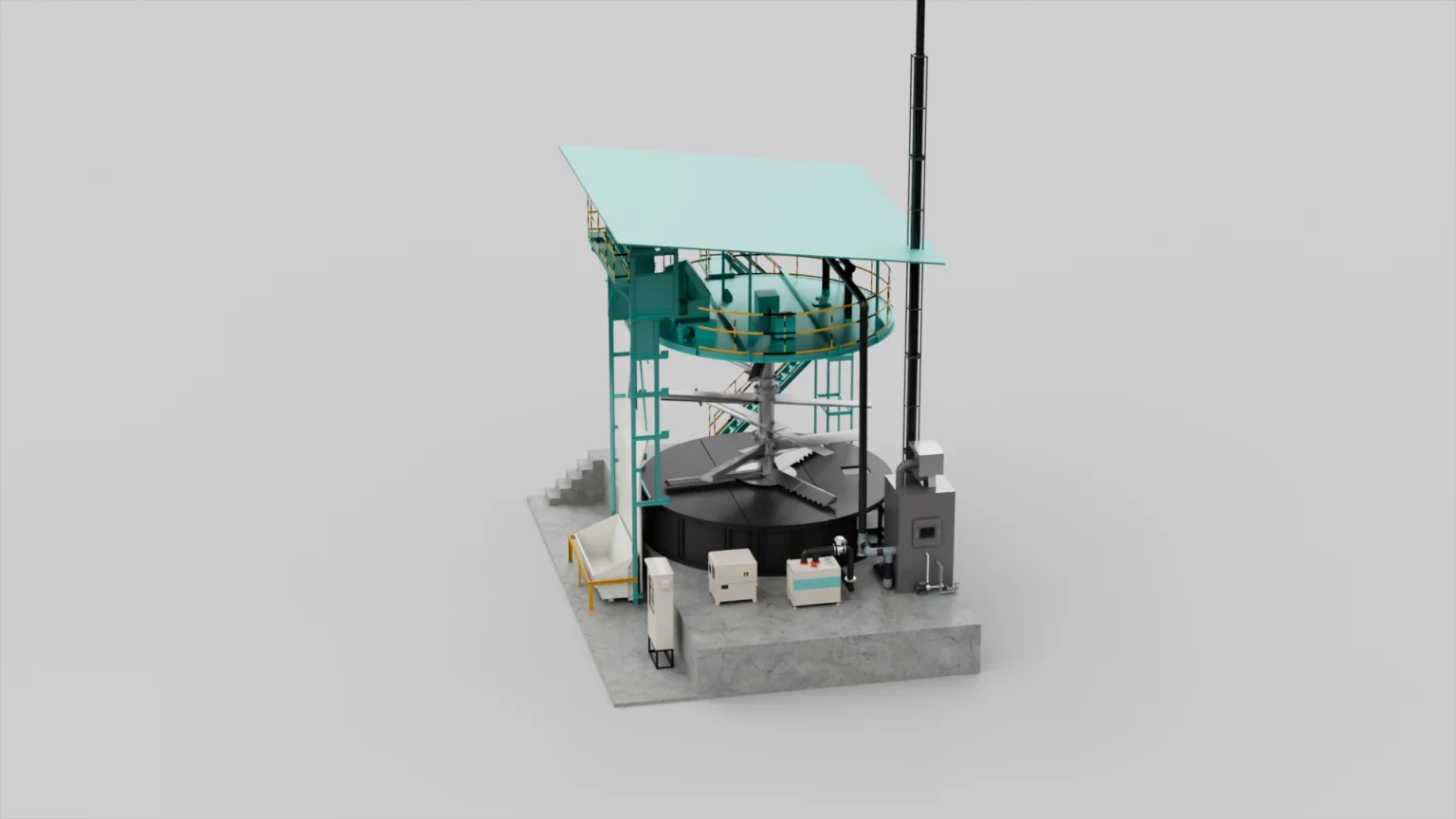
When compared to traditional composting methods, which often take longer and may not reach high temperatures, aerobic high-temperature composting utilizes a high temperature aerobic organic fertilizer fermentation tank, ensuring optimal conditions for microbial growth and activity. This efficiency significantly reduces the time required for composting, enabling farmers to quickly transform waste into valuable fertilizer.
Evaluating Other Composting Technologies
While aerobic high-temperature composting has its advantages, it is essential to consider other methods. Passive composting and anaerobic digestion are common alternatives, each with its own set of benefits and drawbacks.
Passive composting relies on natural processes without mechanical intervention, making it low-cost and low-maintenance. However, this method can take months to produce usable compost and may not reach the necessary temperatures to eliminate pathogens effectively.
Anaerobic digestion, on the other hand, is often used for large-scale manure management, converting organic materials into biogas. While this technology can be beneficial for energy production, it may require significant infrastructure investment and may not yield high-quality organic fertilizer compared to aerobic methods.
Both alternatives serve specific purposes, but for those looking to produce high-quality organic fertilizer in a shorter timeframe, aerobic high-temperature composting remains superior.
Making the Right Choice for Manure Management
Selecting the most effective composting method hinges on various factors, including the type of manure processed and the desired end product. For livestock and poultry manure, including chicken, pig, and cow waste, a high temperature aerobic organic fertilizer fermentation tank offers an unparalleled solution.
At Cason, we understand the unique needs of our customers and provide customized organic fertilizer fermentation tanks tailored to specific requirements. Our C-90E organic fertilizer fermentation tank employs centrifugal force to enhance purification efficiency, featuring no moving parts for stable operation and minimal maintenance costs. Whether you’re managing livestock manure, carcasses, or household waste, our solutions come with comprehensive support, ensuring a seamless experience from consultation to execution.
In conclusion, while various composting technologies exist, aerobic high-temperature composting clearly presents itself as a premier choice for manure management. Partner with us at Cason to explore our advanced composting solutions that can revolutionize your organic fertilizer production.