
Modern farms generate large amounts of organic waste from livestock manure, crop residues, and food byproducts. Managing these materials efficiently requires reliable equipment such as a commercial compost machine. However, many farms face a practical challenge when installing composting equipment. Limited space, existing buildings, and workflow layouts can make installation planning more complex.
A well-planned installation allows a compost machine commercial system to operate efficiently while fitting smoothly into the available farm infrastructure. With the right approach, farms can maximize both space utilization and composting productivity.
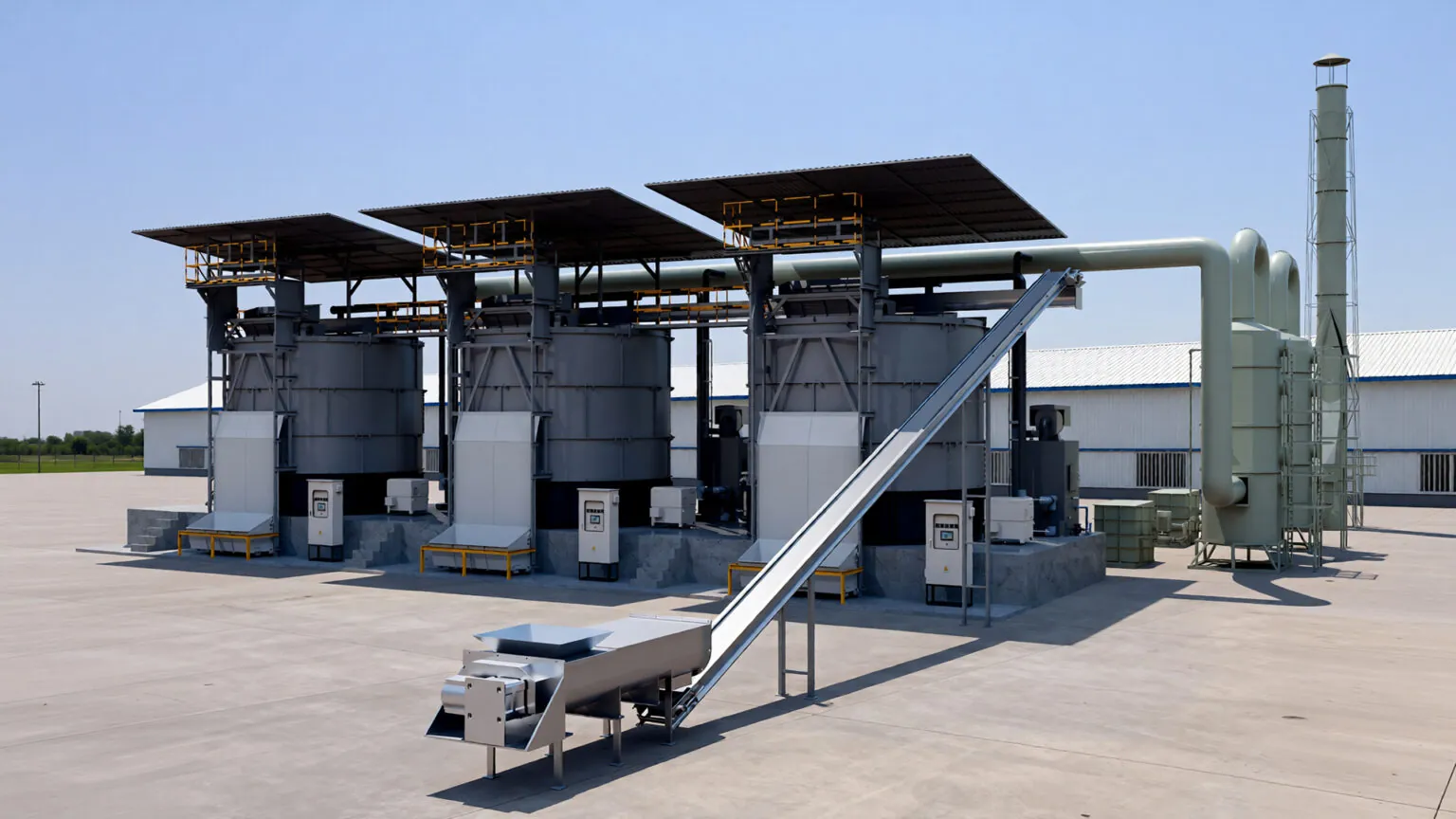
Evaluate the Waste Flow Before Installation
The first step in saving space is understanding how organic waste moves through the farm. Livestock areas, feeding stations, and storage zones all produce different types of organic materials. By analyzing the daily waste flow, farms can determine the most suitable location for the composting system.
Ideally, the commercial compost machine should be placed close to the primary waste source. This reduces transportation distance and minimizes the need for large storage areas. When waste can be transferred directly into the composting unit, farms can maintain a cleaner and more organized working environment.
Positioning the machine along existing farm traffic routes also improves efficiency. Equipment such as tractors or loaders can deliver organic material without creating additional pathways or occupying extra land.
Use Compact Equipment with Integrated Systems
Selecting the right equipment design plays an important role in saving space. Many modern composting units combine multiple processes within a single enclosed structure. These integrated systems handle mixing, fermentation, aeration, and temperature control in one machine.
A compact compost machine commercial system reduces the need for multiple separate processing areas. This is particularly helpful for farms with limited land or facilities located near livestock buildings.
Enclosed composting machines also help control odors and moisture, which allows them to be installed closer to other farm operations. With proper ventilation and insulation, the composting process can remain stable while occupying a smaller footprint.
At Cason, our equipment is designed to support efficient organic waste processing while maintaining practical installation dimensions for agricultural environments.
Plan Vertical and Utility Space Efficiently
Another effective way to save space is by making better use of vertical and utility areas. Compost machines often require ventilation ducts, electrical connections, and maintenance access points. Planning these elements early helps prevent unnecessary expansion of the installation area.
For example, installing ventilation systems above the compost unit rather than beside it allows farms to keep the surrounding ground area clear. Electrical control panels can also be mounted on nearby walls or structural frames instead of occupying additional floor space.
Adequate service space should still be maintained to allow operators to inspect and maintain the commercial compost machine safely. Careful layout planning ensures that maintenance access does not interfere with other farm activities.
Making Composting Practical for Modern Farms
Efficient composting equipment allows farms to convert organic waste into valuable fertilizer while maintaining an organized facility layout. A well-positioned compost machine commercial installation reduces handling time, improves workflow, and supports stable compost production.
At Cason, we design composting systems that fit practical agricultural environments while maintaining reliable processing performance. For farms looking for a compact yet capable solution, the Cason C-120E offers an efficient option. Its enclosed structure supports controlled fermentation, automated mixing, and stable operation while occupying a manageable installation area.
With thoughtful planning and the right equipment, farms can integrate composting systems without sacrificing valuable working space while turning organic waste into a useful agricultural resource.