
The international demand for organic waste treatment equipment continues to grow as farms, municipalities, and food processing facilities seek efficient composting solutions. For manufacturers exporting a commercial compost machine, understanding global compliance standards is essential. Regulatory requirements vary by region, and meeting these standards ensures that a compost machine commercial system can enter international markets smoothly while maintaining operational safety and environmental responsibility.
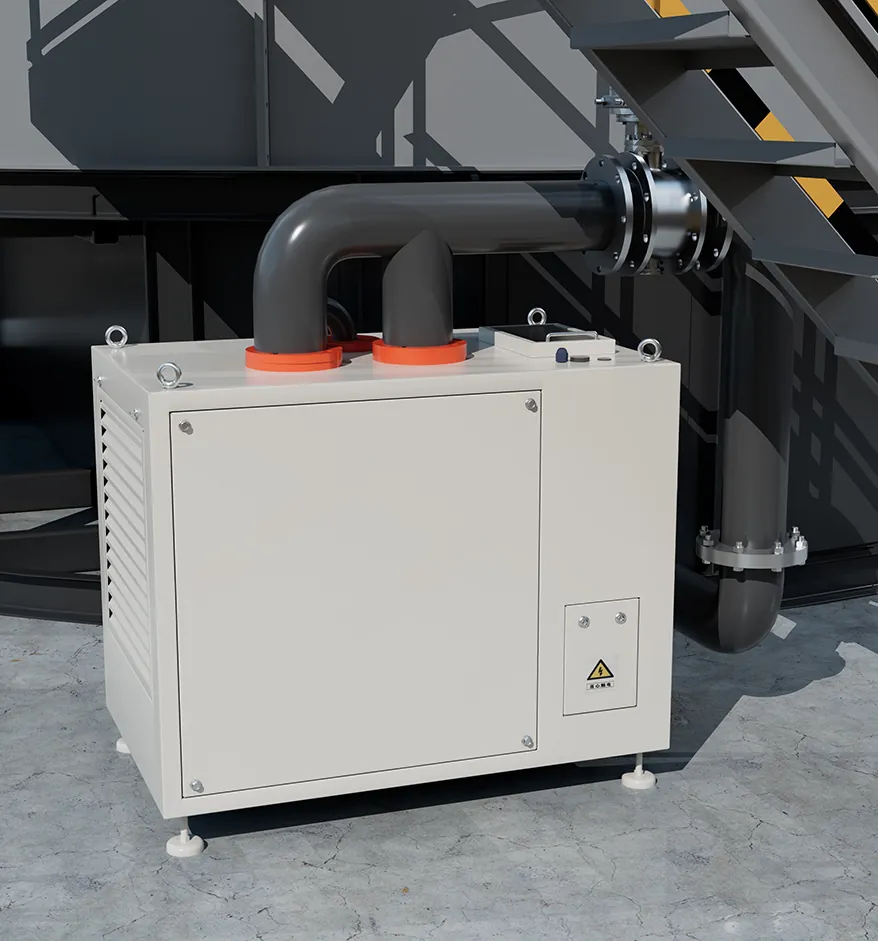
Companies involved in exporting compost equipment must pay attention to certifications, safety regulations, and environmental guidelines that govern industrial machinery.
Safety Certification for International Machinery Markets
One of the most widely recognized requirements for exported equipment is the CE marking used within the European Economic Area. CE marking indicates that a product complies with European health, safety, and environmental protection regulations, allowing it to be legally sold within the region.
For machinery such as a commercial compost machine, CE compliance often involves verifying electrical safety, mechanical protection, and electromagnetic compatibility. These requirements ensure that the equipment operates safely within industrial environments and does not interfere with other electrical systems.
In addition to CE certification, many manufacturers pursue international management standards such as ISO 9001 for quality management. Composting machinery in global markets frequently carries ISO certification along with CE marking to demonstrate consistent manufacturing practices and reliable product performance.
These certifications help importers and distributors evaluate whether a compost system meets internationally recognized safety expectations.
Environmental and Compost Quality Standards
Beyond machinery safety, composting equipment also relates to environmental standards. In many regions, compost production must meet quality guidelines to ensure the final material is safe for agricultural use.
For example, the United Kingdom applies the PAS 100 specification, which sets requirements for compost production, raw material control, and quality assurance. This standard verifies that compost products are traceable, safe, and suitable for soil improvement.
Although PAS 100 focuses on compost output rather than the machine itself, equipment manufacturers must design systems that support stable fermentation and controlled processing to meet these quality expectations.
Other international compostability standards such as EN 13432 or ASTM D6400 are commonly used to verify whether materials can break down properly in industrial composting environments. These guidelines help ensure that composting facilities operate in a manner that maintains environmental safety and prevents contamination.
When exporting a compost machine commercial system, understanding these environmental frameworks helps manufacturers align equipment design with global waste management policies.
Documentation and Export Readiness
Compliance is not only about certifications. Export documentation also plays an important role. Manufacturers typically prepare technical files, operating manuals, safety diagrams, and declarations of conformity. These documents demonstrate that the commercial compost machine has been tested and manufactured according to the required standards.
Clear documentation also assists distributors and installation teams in different countries. It ensures that the equipment can be installed correctly, operated safely, and maintained according to regulatory expectations.
For buyers and project developers, working with a manufacturer that understands international compliance requirements reduces the risk of delays during customs clearance or equipment inspection.
Supporting Global Composting Projects
As composting becomes a key part of sustainable agriculture and waste management, reliable equipment that meets international regulations is increasingly valuable. Export-ready compost machines allow farms and waste treatment facilities to process organic materials efficiently while complying with environmental policies.
At Cason, we design composting systems with global applications in mind. Our equipment integrates stable fermentation technology, practical structural design, and operational safety considerations that support international deployment.
By aligning with global compliance standards, Cason helps partners around the world implement efficient organic waste treatment using a dependable compost machine commercial solution.