
At Cason, we understand that optimizing organic fertilizer production is essential for large-scale agricultural operations. Choosing the right high-temperature aerobic fermentation tank is more than an investment in equipment; it is a strategic step toward improving production efficiency and product quality. In this article, we share insights into selecting the best large-scale fertilizer fermentation tank for your needs, drawing from practical experience and industry knowledge.
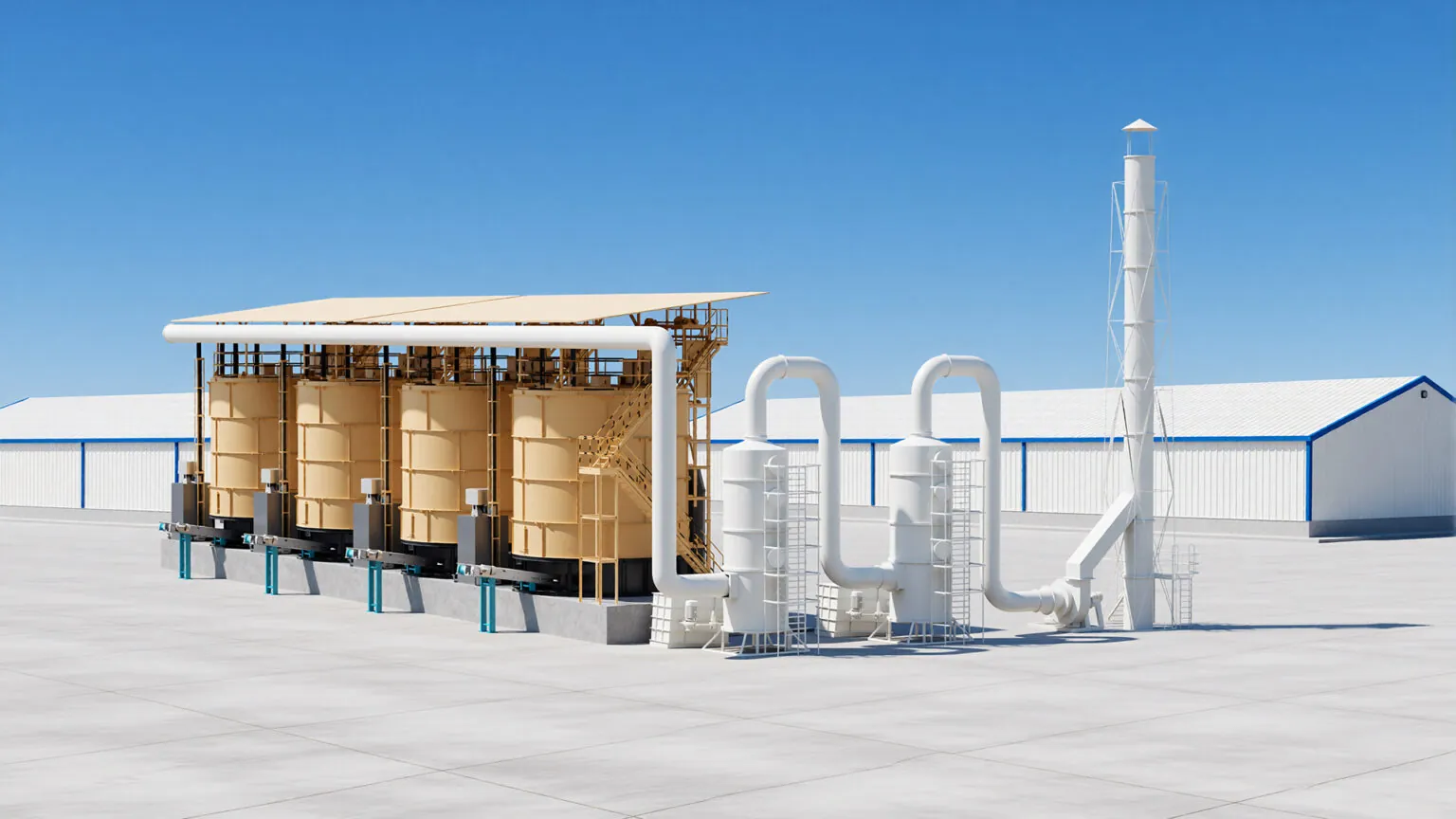
Understanding High-Temperature Aerobic Fermentation
Organic fertilizer production relies on the efficient breakdown of raw materials such as livestock manure, crop residues, and other organic waste. High-temperature aerobic fermentation is a biological process that accelerates decomposition by supplying sufficient oxygen and maintaining elevated temperatures. This process not only stabilizes organic matter but also helps reduce pathogens and odors, producing a safer and more mature fertilizer product.
For large farms, the scale of material processed daily can be substantial. An appropriately sized high-temperature aerobic fermentation tank ensures that you can handle this volume without bottlenecks. The right design maintains uniform temperature distribution and adequate aeration, which are crucial for consistent fermentation results.
Why Tank Capacity Matters for Large Farms
Farms with extensive cultivation areas or high livestock populations often produce large quantities of organic waste. A small or undersized system can slow down processing, increase labor costs, and result in uneven product quality. Large-scale fertilizer fermentation tanks are engineered to manage higher volumes, enabling continuous or batch processing that aligns with your operational rhythm.
When we evaluate tank options, capacity is a primary consideration. A larger tank reduces the frequency of loading and unloading, cuts down manual handling, and provides flexibility in production scheduling. It also accommodates peak waste input without compromising fermentation performance.
Key Features to Look for in a Fermentation Tank
Selecting a high-capacity system requires attention to several technical features. First, efficient aeration is vital. A well-designed high-temperature aerobic fermentation tank ensures adequate oxygen supply throughout the material, supporting microbial activity and maintaining target temperatures.
Second, insulation and temperature control are important. Consistent high temperatures promote rapid and thorough fermentation. We look for systems with reliable heat retention and airflow management to safeguard process stability in various climates.
Third, ease of operation and maintenance influences long-term productivity. Tanks with straightforward control systems and accessible components minimize downtime and training needs. For large farms where labor resources are spread across many tasks, operational simplicity is highly valuable.
Tailoring Solutions to Your Farm’s Needs
At Cason, we engage with customers to understand specific production goals and constraints. For some operations, continuous fermentation tanks may offer the best fit, supporting steady output throughout the year. For others, batch systems with larger individual capacity align better with seasonal peaks.
The DT-280E model exemplifies a large-scale fertilizer fermentation tank designed for substantial throughput. Its structure supports efficient high-temperature aerobic processes, and its configuration is adaptable to the layout and workflow of larger agricultural enterprises. Investing in equipment like this supports a smoother transition from raw organic waste to a usable fertilizer product.
Supporting Sustainable Production
Modern agriculture increasingly emphasizes sustainability and resource recycling. Efficient organic fertilizer production contributes to soil health and reduces reliance on chemical alternatives. By selecting a suitable high-temperature aerobic fermentation tank, your farm can convert organic waste into value-added input material, closing nutrient loops and supporting environmental goals.
We at Cason are committed to helping farms of all sizes refine their production systems. Choosing the right large-scale fertilizer fermentation tank is a step toward more efficient, reliable, and environmentally responsible operations. If your farm is evaluating options for expanding or upgrading fermentation capacity, careful consideration of tank design and performance will support your long-term productivity.