
In today’s agricultural landscape, managing organic waste efficiently is not only essential for operational efficiency but also critical for complying with environmental regulations. At Cason, we focus on providing solutions that align with emission laws while optimizing fertilizer production. Our high-temperature aerobic fermentation tank, like energy-saving fertilizer fermentation tank, is designed to support these objectives seamlessly.
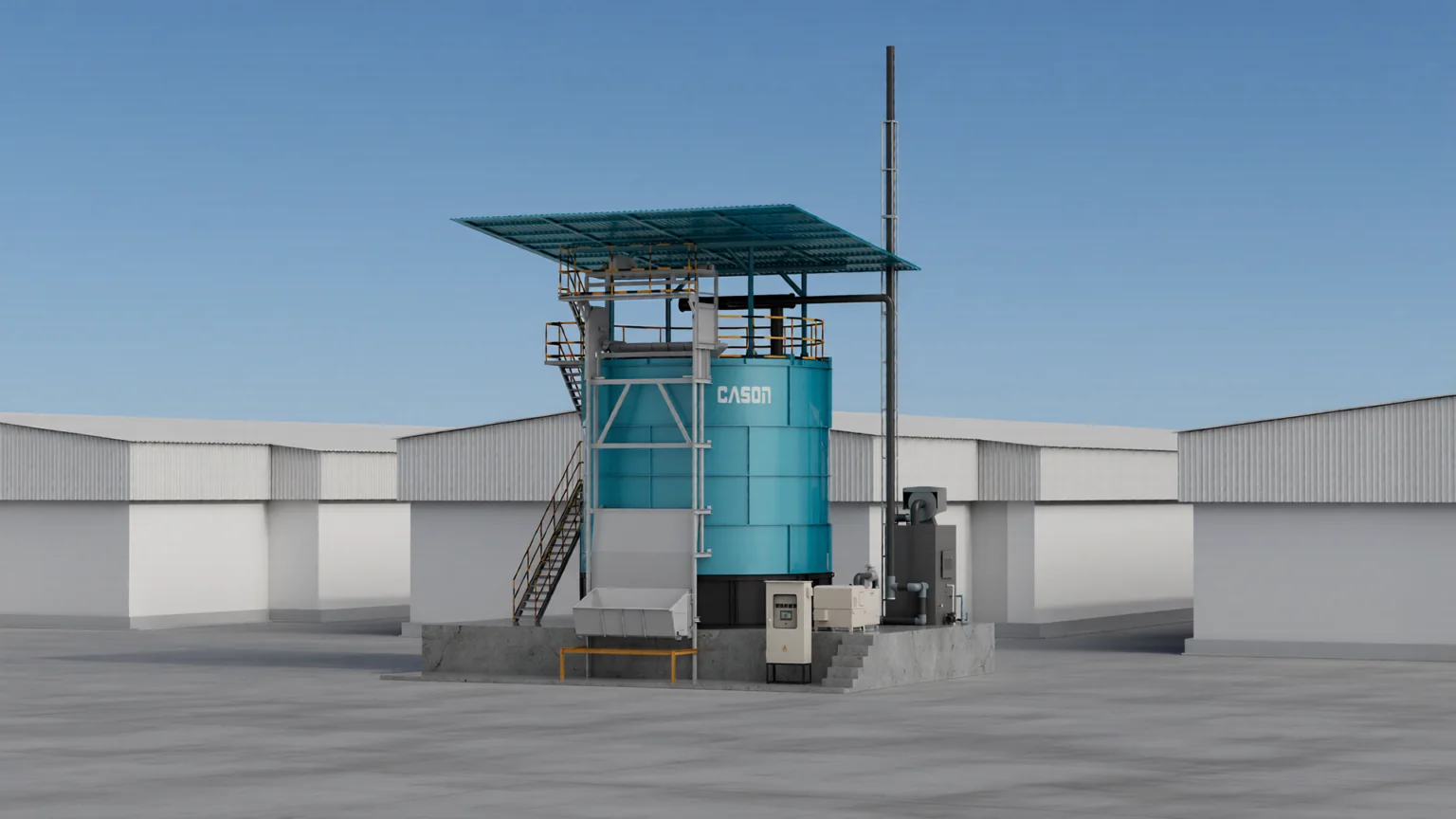
High-Temperature Aerobic Fermentation Tank for Effective Waste Management
Our high-temperature aerobic fermentation tank ensures rapid decomposition of organic materials under controlled conditions. By maintaining temperatures sufficient to eliminate pathogens and weed seeds, it enables safe handling of compost. The enclosed design minimizes odor emissions, helping facilities stay within regulatory limits. With automated temperature and oxygen monitoring, operators can achieve consistent fermentation results without manual intervention, reducing the risk of compliance breaches.
The design also accommodates a variety of raw materials, from livestock manure to agricultural residues. This flexibility allows farms and industrial composting facilities to manage diverse inputs efficiently. By preventing uncontrolled fermentation, the high-temperature aerobic fermentation tank contributes to emission control and produces a high-quality end product suitable for soil enrichment.
Energy-Saving Fertilizer Fermentation Tank for Sustainable Operations
Energy efficiency is an important factor when operating large-scale composting systems. Cason’s energy-saving fertilizer fermentation tank reduces power consumption through optimized aeration and mixing processes. Its mechanical and thermal systems are engineered to maintain ideal fermentation conditions while minimizing energy use. Facilities can thus comply with environmental standards while lowering operational costs.
The tank’s design integrates temperature regulation, ventilation, and moisture control into a compact system. This integration ensures uniform fermentation, reduces processing time, and enhances nutrient preservation in the finished fertilizer. For businesses focused on sustainable agriculture, the energy-saving fertilizer fermentation tank aligns economic and ecological goals effectively.
Supporting Compliance with Emission Regulations
Environmental agencies increasingly require farms and composting facilities to control emissions of ammonia, methane, and other gases. Cason’s composting solutions provide practical measures to meet these standards. By combining high-temperature processing with precise aeration control, our tanks reduce harmful emissions at the source. Monitoring systems track key parameters and provide actionable data to maintain compliance continuously.
Using specialized compost tanks from Cason allows operators to document their emission control measures, an important aspect for audits and regulatory reporting. It ensures that the facility can demonstrate adherence to laws without compromising productivity.
Optimizing Fertilizer Quality and Operational Efficiency
Beyond compliance, these specialized tanks improve the quality of the final fertilizer. High-temperature fermentation accelerates nutrient stabilization, while energy-saving processes preserve organic matter and minerals. This results in compost that supports crop growth and soil health. Operators benefit from shorter processing cycles, lower energy expenses, and reliable emission control, making day-to-day management more predictable.
By integrating the high-temperature aerobic fermentation tank and the energy-saving fertilizer fermentation tank into your operations, Cason helps facilities navigate regulatory requirements while enhancing production efficiency and product quality. These systems exemplify how specialized compost tanks can support both environmental compliance and sustainable agricultural practices.