
Proper kitchen waste management has become increasingly important for modern farms and large-scale food operations. At Cason, we focus on providing solutions that enhance waste processing efficiency while ensuring environmental safety. Our food waste fermentation tank and kitchen waste fermentation tank systems are designed to address diverse fermentation needs, whether high-temperature or low-temperature, helping clients transform organic waste into valuable resources.
Understanding High-Temperature Fermentation
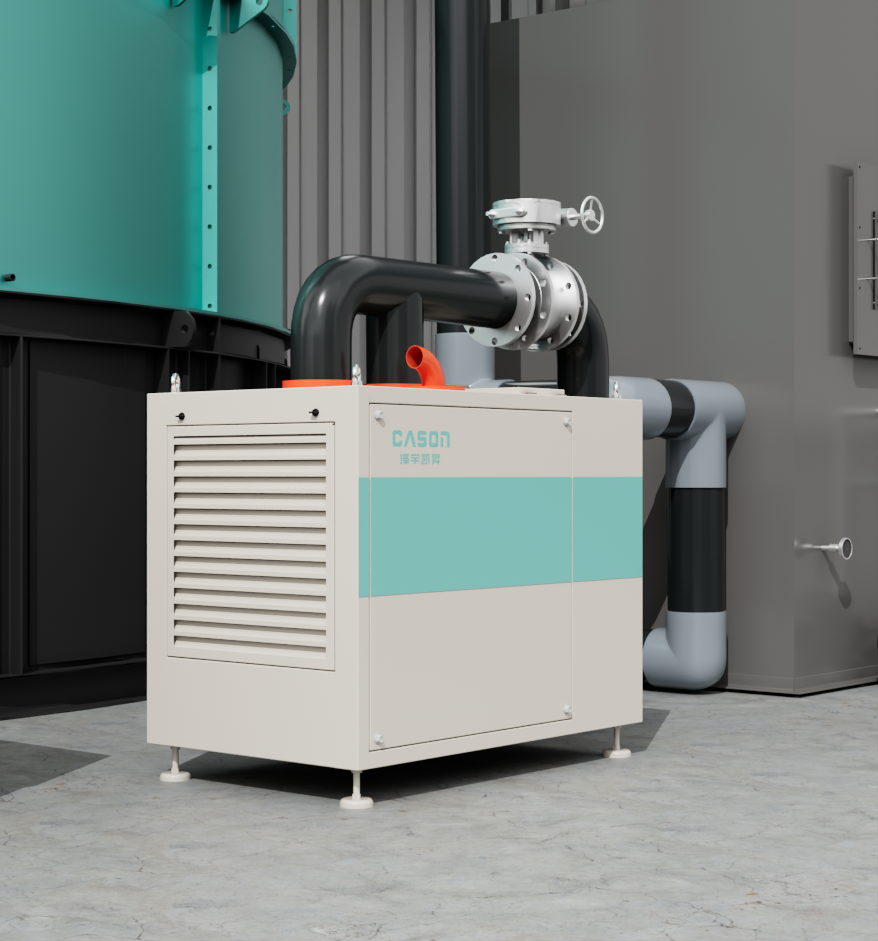
High-temperature fermentation involves maintaining organic waste at elevated temperatures, usually between 55°C and 75°C. This method accelerates microbial activity, leading to faster decomposition and pathogen reduction. When we implement high-temperature processes in our kitchen waste fermentation tank, it ensures rapid breakdown of food residues while minimizing odor and harmful bacteria. High-temperature fermentation is particularly useful in large-scale operations where sanitation and speed are critical. With the C-140E fermentation tank, operators can maintain precise control over temperature, moisture, and other key parameters thanks to the integration of supporting systems such as material conveying, energy-saving modules, and electrical control panels. These auxiliary systems work together to ensure that the food waste fermentation tank maintains consistent conditions for safe and effective treatment, while reducing manual intervention and maintaining odor-controlled, hygienic operation.
Benefits of Low-Temperature Fermentation
In contrast, low-temperature fermentation operates at moderate temperatures, typically between 20°C and 35°C. This slower process allows for more controlled microbial activity, preserving nutrients in the composted material. We often recommend low-temperature operation when the goal is high-quality organic fertilizer rather than rapid pathogen elimination. Our kitchen waste fermentation tank is flexible enough to accommodate low-temperature cycles, and the integrated electrical control system provides stable power and reliable monitoring, ensuring the fermentation process proceeds smoothly without overheating or system errors.
Choosing the Right Method for Your Operation
Selecting between high- and low-temperature fermentation depends on the specific objectives of the operation. If rapid waste reduction and sanitation are priorities, high-temperature fermentation in a food waste fermentation tank is advantageous. Conversely, when nutrient retention and long-term soil quality are more important, low-temperature fermentation offers distinct benefits. At Cason, we consider client requirements, facility size, and waste characteristics to recommend the most suitable fermentation strategy. Our combination of modern equipment, centered on the C-140E fermentation tank and supported by integrated auxiliary systems such as material conveying, energy-saving modules, and electrical control panels, ensures that both high- and low-temperature processes operate safely and efficiently while minimizing the need for manual intervention.
Conclusion: Practical Insights on Fermentation Strategy
Balancing efficiency and product quality is key when managing kitchen waste. Our experience demonstrates that no single method fits all scenarios, and both high-temperature and low-temperature fermentation have applications depending on operational goals. By integrating the C-140E fermentation tank with its supporting systems, including automated conveying, energy-saving modules, and an electrical control panel, Cason provides solutions that streamline kitchen waste processing while maintaining safety, hygiene, and compliance with environmental standards. These auxiliary systems work together to ensure stable fermentation conditions and consistent output without being standalone products, making the C-140E a fully integrated and reliable waste treatment solution. At Cason, we continually refine our solutions to support sustainable, effective, and resource-friendly management of kitchen waste in modern agricultural and food processing operations.