
Managing kitchen waste effectively has become a priority for modern food service and large-scale agricultural operations. At Cason, we focus on creating solutions that turn organic waste into a valuable resource while minimizing environmental impact. Our food waste fermentation tank helps facilities streamline the composting process, providing consistent results and improving operational efficiency. By combining automation and intelligent monitoring, we aim to make kitchen waste management simpler and more reliable for waste managers across various industries.
Benefits of Kitchen Waste Fermentation Tanks
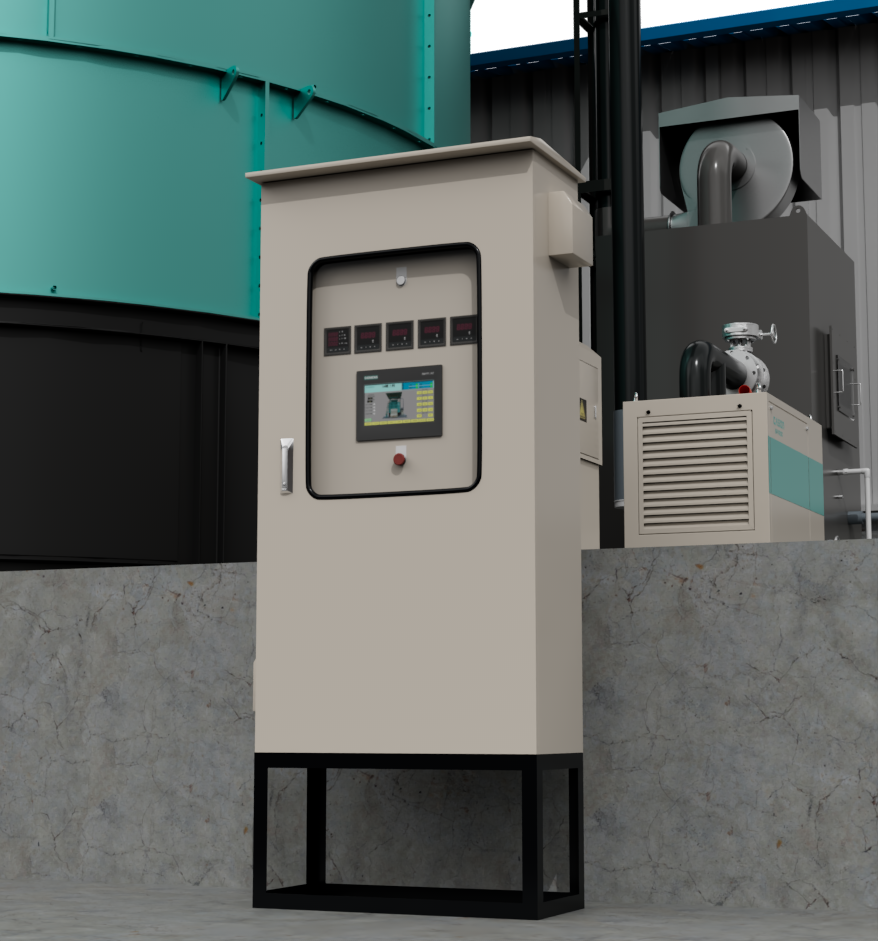
One significant advantage of the kitchen waste fermentation tank is its automated operation, which reduces the need for manual supervision. Equipped with the C-140E food waste fermentation tank, the system integrates auxiliary components such as material conveying units, energy-saving modules, and electrical control panels to support stable and efficient operation. This integrated design enables centralized control and intelligent monitoring, ensuring constant-temperature fermentation, optimizing microbial activity, and shortening the overall processing cycle. By combining the core fermentation tank with these supporting systems, operators can maintain consistent performance, reduce manual intervention, and achieve reliable, high-quality compost output. Remote management features also make maintenance easier, allowing our system to operate reliably and steadily throughout the food waste organic fertilizer production process. By integrating such technology, we help facilities minimize odor issues and maintain high hygiene standards, while boosting overall operational efficiency.
Challenges to Consider
Despite these benefits, implementing a kitchen waste fermentation tank comes with challenges. Space allocation, initial investment, and staff training are essential considerations. At Cason, we advise clients to carefully plan their installation and ensure personnel understand operational procedures. Proper training ensures that fermentation parameters are maintained, maximizing output quality and system efficiency. Addressing these factors helps waste managers fully leverage the food waste fermentation tank’s potential while avoiding operational interruptions.
Optimizing Efficiency and Integration
Seamless integration with existing workflows is another key factor for success. Our kitchen waste fermentation tank can connect with additional equipment, such as sludge drying or other waste treatment units, forming a closed-loop system. At Cason, we provide guidance on installation, troubleshooting, and ongoing support to maintain consistent performance. This holistic approach allows facilities to optimize processing efficiency and achieve reliable organic waste management outcomes, turning food waste into valuable fertilizer.
Conclusion: Balanced Perspective on Kitchen Waste Fermentation
Assessing the pros and cons of kitchen waste fermentation tanks helps waste managers make informed decisions. At Cason, we prioritize solutions that combine automation, reliability, and operational flexibility. The food waste fermentation tank, centered on the C-140E fermentation unit and supported by integrated conveying, energy-saving, and control systems, demonstrates how intelligent management and efficient processing can convert organic waste into fertilizer while minimizing operational challenges. By understanding both benefits and limitations, facilities can adopt sustainable and practical waste solutions that support environmental and economic goals.