
In modern agriculture, the quality of biofertilizer directly impacts crop health and soil vitality. At Cason, we focus on helping businesses optimize their organic waste management through efficient and reliable commercial compost machines. By converting organic residues into nutrient-rich compost, companies can enhance soil fertility and support sustainable farming practices.
Understanding Commercial Compost Machines
A commercial compost machine is designed to process large volumes of organic waste quickly and efficiently. Unlike small-scale composting methods, these machines maintain consistent temperature, moisture, and aeration levels, creating an ideal environment for microbial activity. This controlled approach ensures the breakdown of organic matter into a stable, nutrient-dense product. For agricultural enterprises and food processing businesses, investing in a commercial compost machine can streamline operations while improving the end-product quality.
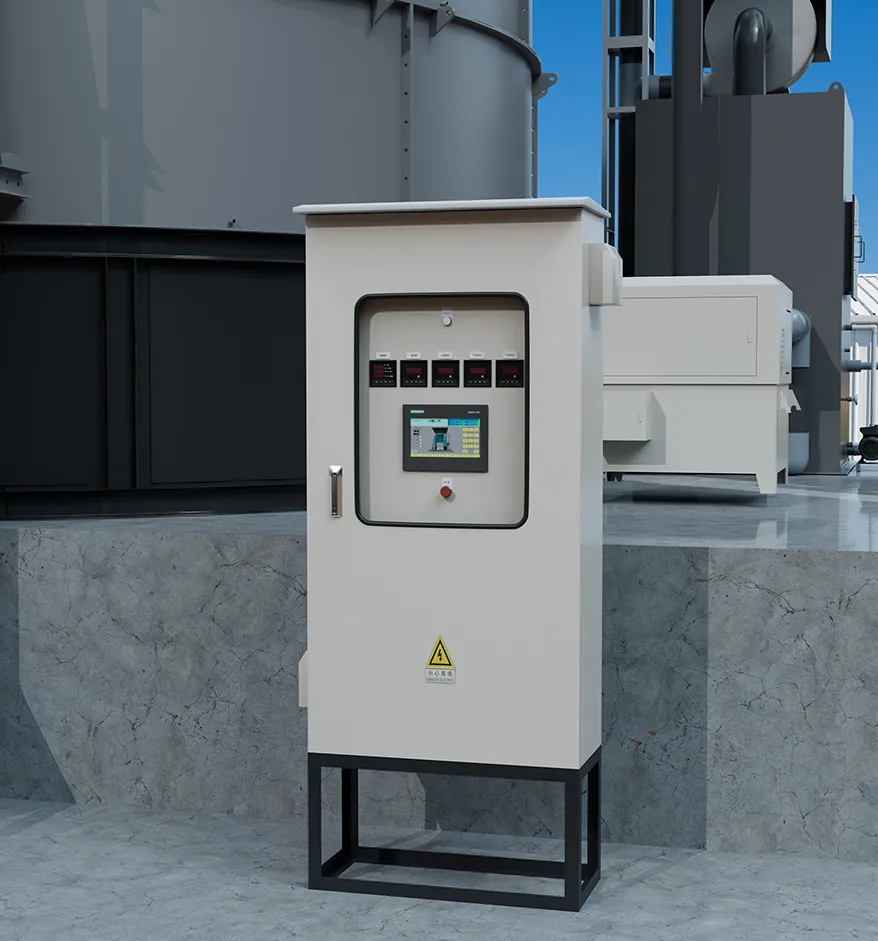
Cason’s waste composter machines integrate automated controls that monitor fermentation stages, reducing manual intervention. This precision not only accelerates the composting cycle but also minimizes the risk of uneven decomposition or odor issues. For facilities handling varied organic materials, including kitchen scraps, garden waste, or agricultural residues, the adaptability of these machines ensures consistent output.
Enhancing Bio-Fertilizer Quality
The efficiency of a waste composter machine directly influences the quality of biofertilizer. Proper aeration and temperature control promote beneficial microbial growth, which in turn accelerates the breakdown of organic matter into humus. This humus is rich in nutrients such as nitrogen, phosphorus, and potassium, all essential for crop growth. Using a commercial compost machine also allows precise control over moisture levels, preventing nutrient loss and enhancing the fertilizer’s effectiveness.
Cason machines offer features such as automated mixing and temperature monitoring, which ensure that all waste materials are evenly processed. This results in a consistent, high-quality compost product that can be applied directly to fields or packaged for sale. Businesses benefit from a bio-fertilizer that not only supports plant growth but also improves soil structure and water retention.
Operational Advantages
Investing in a waste composter machine can reduce labor costs and operational complexity. Automated systems streamline the composting process, allowing staff to focus on other critical areas of production or facility management. In addition, these machines support sustainability goals by reducing landfill waste and lowering greenhouse gas emissions. The end product, a nutrient-rich bio-fertilizer, can be used in-house or sold as a commercial product, adding value to waste management practices.
Promoting Sustainable Practices
With increasing attention to sustainable agriculture, businesses that incorporate high-quality compost into their operations demonstrate a commitment to environmental responsibility. Cason‘s commercial compost machines help companies transform organic waste into a valuable resource, closing the loop in the production cycle. By maximizing bio-fertilizer quality, organizations can foster healthier crops, enhance soil health, and contribute to broader environmental goals.
Cason’s expertise in waste composter machines ensures that businesses receive efficient, reliable, and consistent composting solutions. By integrating these systems into their operations, companies can turn organic waste into a practical and sustainable asset.