
In the realm of livestock waste management, choosing the right animal carcass composting machine can influence operational efficiency, biosecurity, and environmental compliance. Farms dealing with routine mortalities, whether poultry or larger livestock, increasingly turn to engineered systems for controlled decomposition that transforms waste into safe, nutrient-rich material. Two common machine layouts are horizontal and vertical designs. Understanding their differences helps agricultural decision-makers select the best fit for their operation’s capacity, space, and labor management goals, especially when considering solutions like the Cason livestock carcass composting machine.
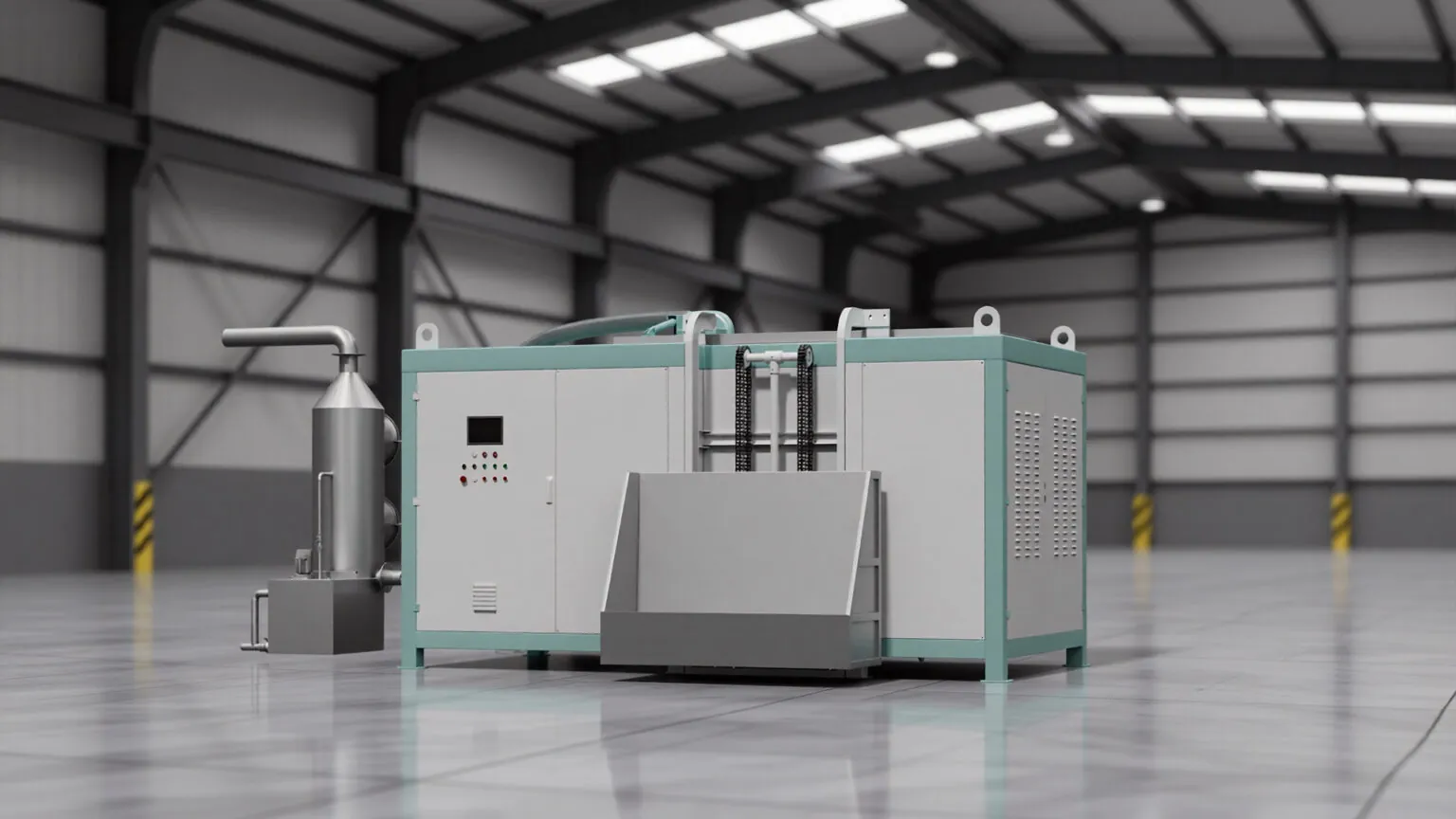
Understanding Horizontal Composting Machines
Horizontal designs for a livestock carcass composting machine typically resemble elongated reactors or fermentation tanks. These machines handle waste in a linear chamber where organic material moves through zones of preparation, aeration, and controlled decomposition. In horizontal systems, mixing mechanisms, blowers, and aeration channels are spaced along the length of the unit to ensure even exposure to oxygen and microbial activity.
One advantage of horizontal designs is their accessibility. Operators can feed carcasses and bulking materials along the chamber and monitor conditions without lifting loads vertically. This layout also supports continuous or semi-continuous workflows: fresh material can be added at one end while mature compost exits at the other. Controls for temperature and airflow are often distributed in a way that maintains aerobic conditions throughout the chamber, which is key for pathogen reduction and odor control. Efficient systems can significantly shrink the footprint compared to traditional outdoor piles while still maintaining a straightforward loading process.
Characteristics of Vertical Composting Machines
Vertical composting machines arrange the processing chamber in an upright orientation. Materials are loaded from the top, and gravity assists in moving waste downward through stages of decomposition. Vertical designs are akin to towers, with internal trays or sections that allow material to progress through phases without horizontal transfer.
For farms with limited land area, vertical systems can be appealing because they use height instead of floor space. They also naturally facilitate staged decomposition: as material descends, it enters progressively more mature fermentation zones. Temperature gradients are sometimes easier to manage in this setup because heat rises and can be more uniformly distributed in a compact vertical space. However, vertical systems may require additional mechanical conveyance for loading and unloading, especially for heavier carcasses, which can add to initial setup complexity.
Operational Considerations for Farms
Selecting between horizontal and vertical designs involves weighing factors like daily processing volume, available space, and handling logistics. Horizontal systems often scale well for larger throughputs and can integrate with automated conveyors or remote loading systems. Vertical machines may fit better in dense facilities where expanding footprint horizontally is not feasible.
Both designs aim to support aerobic composting that maintains elevated temperatures to reduce pathogens and odors, critical for biosecure waste management on farms adhering to regulatory standards.
How Cason Fits Into Livestock Waste Solutions
Brands like Cason develop systems for converting animal mortalities and organic farm waste into stabilized products that can be repurposed or managed safely. Cason machines incorporate intelligent controls for temperature, humidity, and airflow, helping ensure that composting proceeds efficiently. Whether deployed in horizontal or potentially modular vertical layouts, these systems emphasize automated handling, consistent fermentation conditions, and reduced labor needs. By tailoring solutions to a farm’s scale and site constraints, Cason supports sustainable practices that align with environmental goals and operational realities.
Choosing the right design for your livestock composting needs means considering how animals’ remains will travel through the process, how much space is available, and how the equipment integrates with daily workflows. Evaluating horizontal versus vertical livestock carcass composting machine designs ensures that farms can optimize both performance and sustainability over the long term.