
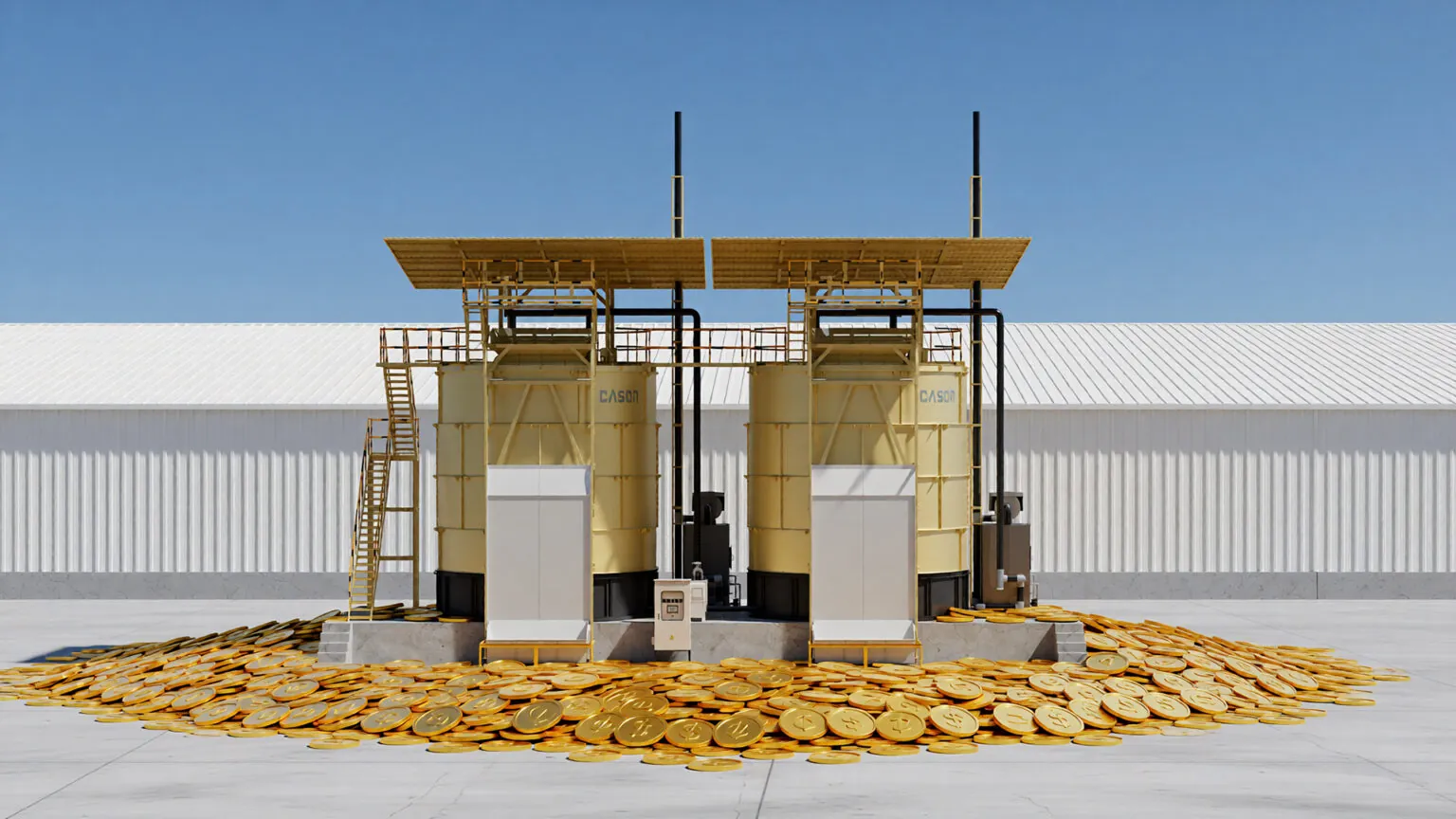
Proper maintenance of a high-temperature aerobic fermentation tank is essential for consistent performance and extended equipment life. At Cason, we understand that industrial composting and waste management rely on precise operational standards, and regular upkeep of aerobic fermentation tanks ensures both efficiency and safety in production.
Inspecting Mechanical Components
Technicians should begin each month by inspecting all mechanical components of the aerobic fermentation tank. Check the motors, bearings, and agitators for signs of wear or unusual noise. Lubrication of moving parts is crucial to prevent friction and overheating, which can impact the high-temperature aerobic fermentation process. Any worn or damaged components should be replaced promptly to maintain operational reliability.
Monitoring Aeration Systems
Aerobic fermentation relies on a consistent oxygen supply to support microbial activity. Each month, technicians should examine the aeration system, including blowers, fans, and piping. Verify that airflow is unobstructed and that no blockages exist in the system. Filters should be cleaned or replaced to maintain air quality and prevent contamination. Proper aeration ensures that the aerobic fermentation tank operates efficiently and produces high-quality compost or biomass.
Checking Temperature and Humidity Control
Temperature and moisture levels are critical factors in a high-temperature aerobic fermentation tank. Monthly checks should include verifying temperature sensors and humidity monitors to ensure accurate readings. Any deviations from the optimal range can slow microbial activity or create unwanted odors. Calibrate instruments as needed, and review operational logs to identify trends that may indicate underlying issues in the system.
Cleaning and Sanitation
Maintaining hygiene within the aerobic fermentation tank is vital for preventing contamination and ensuring uniform composting. Technicians should perform a monthly cleaning routine that removes residual material from tank walls, agitators, and drainage systems. Inspect the tank interior for corrosion or buildup, and apply appropriate cleaning agents compatible with the tank material. Regular cleaning helps preserve tank integrity and supports consistent fermentation results.
Reviewing Safety and Operational Procedures
Finally, a monthly maintenance routine should include a review of safety protocols and operational procedures. Ensure that emergency shut-off mechanisms are functioning correctly, and verify that all technicians are trained on proper handling of the aerobic fermentation tank. Reviewing standard operating procedures helps prevent accidents and reinforces best practices in high-temperature aerobic fermentation management.
Regular upkeep of an aerobic fermentation tank not only extends its operational life but also ensures efficient microbial activity and consistent compost quality. By following a structured monthly checklist, technicians can detect potential issues early, maintain stable fermentation conditions, and support sustainable waste processing efforts. At Cason, we provide high-temperature aerobic fermentation tanks like DT-280E designed for durability, ease of maintenance, and reliable performance in demanding industrial environments.