
When evaluating waste treatment solutions, businesses in agriculture, food processing, and industrial organic waste sectors often compare aerobic fermentation tanks with traditional lagoons. Choosing the right system affects not only operational efficiency but also financial performance over time. This analysis explores how a high-temperature aerobic fermentation tank, such as the models offered by Cason, compares with conventional lagoons in return on investment (ROI) for companies assessing long-term value.
Processing Efficiency and Throughput
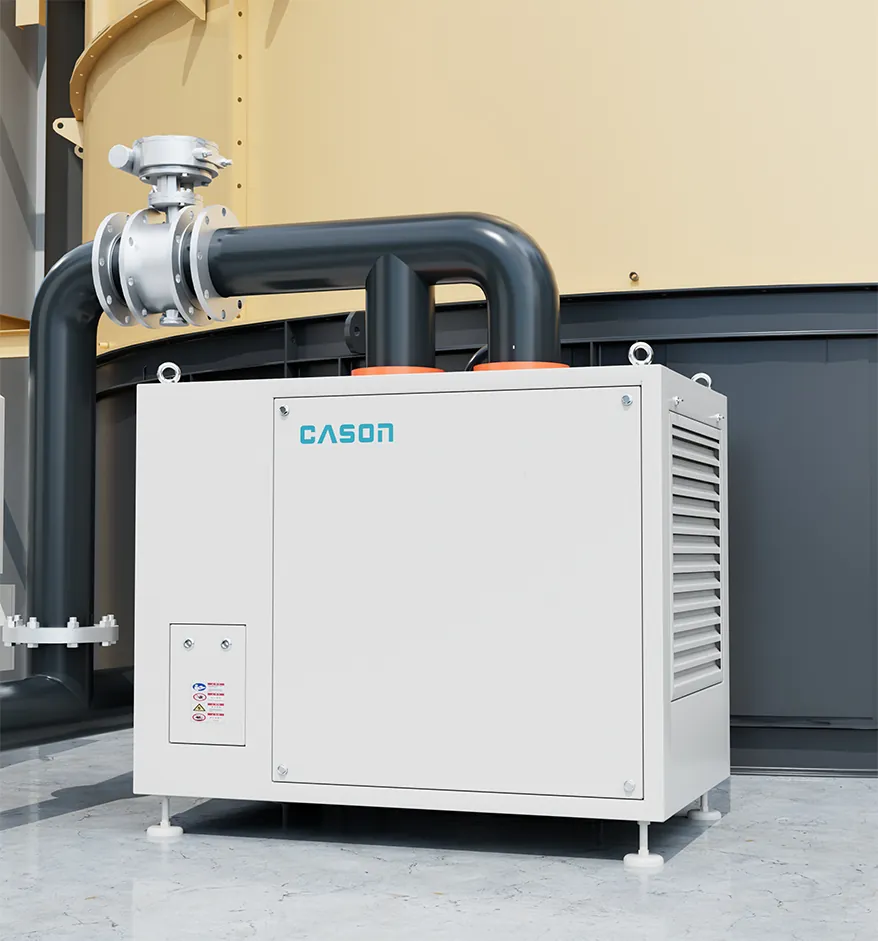
Traditional lagoons rely on passive biological processes in large, open basins where organic material decomposes slowly under natural conditions. This method works for low-intensity waste streams but often requires expansive land and extended processing periods. In contrast, an aerobic fermentation tank actively circulates oxygen and controls environmental factors to accelerate decomposition. A high-temperature aerobic fermentation tank reaches thermophilic conditions that suppress pathogens and reduce organic volume at a faster pace than lagoons. For businesses requiring reliable throughput and predictable processing schedules, this efficiency gain translates into tangible operational benefits. Faster turnover means facilities can manage larger volumes without scaling land area linearly, supporting better utilization of existing assets.
Space and Environmental Considerations
Lagoons occupy extensive land, which can be a significant cost in regions where real estate is at a premium. They also pose challenges in odor control, vector management, and regulatory compliance due to open exposure to air and weather. An aerobic fermentation tank is a more compact, enclosed system that centralizes waste treatment in a controlled environment. Companies with space constraints appreciate that tanks like Cason’s fit into modular layouts while maintaining compliance with stricter environmental standards. The ability to contain and treat wastes within a confined footprint reduces reliance on buffer zones and lowers potential liabilities related to runoff, odors, or unwanted wildlife interaction.
Operational Control and Quality Outputs
Traditional lagoons depend heavily on external conditions such as temperature fluctuations, rainfall, and microbial balance that shifts over time. These variables can lead to inconsistent results and complicate planning for downstream material reuse. High-temperature aerobic fermentation tanks allow technicians to monitor and adjust key parameters such as temperature, aeration, and moisture content. This enhanced control yields more predictable outputs and facilitates uniform organic stabilization. For businesses packaging compost, soil amendments, or biomass products, consistent quality is critical for customer satisfaction and market positioning. Greater control within the tank process supports repeatable outcomes that reduce variability in end products.
Cost Structure and Return on Investment
When comparing initial costs, traditional lagoons may appear more affordable due to simpler construction and minimal mechanical components. However, hidden expenses accrue over time in land acquisition, ongoing labor for monitoring and maintenance, and potential environmental mitigation measures. In contrast, the upfront investment in an aerobic fermentation tank, particularly a high-temperature model from Cason, brings advanced process engineering that accelerates stabilization, reduces labor intensity, and minimizes environmental risk. Over a multi-year horizon, savings from reduced land requirements, faster cycle times, and lower regulatory costs can positively influence overall ROI. Businesses with high throughput demands or stringent quality requirements often see compounded value from the predictable performance of aerobic systems.
Long-Term Strategic Value
Selecting between an aerobic fermentation tank and a traditional lagoon system involves more than comparative cost sheets. It requires alignment with operational goals, space considerations, and desired throughput. Cason‘s aerobic fermentation tanks offer controlled processing environments that help companies manage organic waste with greater precision. By evaluating lifecycle costs alongside productivity and compliance factors, businesses can make decisions that support sustainable and financially prudent waste management strategies. Whether expanding capacity or upgrading existing infrastructure, understanding the ROI implications of each option enables clearer investment planning for future growth.