
In-vessel composting is an efficient method to transform organic farm waste into nutrient-rich compost in a controlled, enclosed system. This approach confines the composting process within a tank or drum, which allows farms to carefully manage airflow, temperature, and moisture. For pig farms, this control is especially important because manure and bedding mix can produce odors and pathogens when left unmanaged. By designing a customizable in-vessel composter, farms can adapt the system to their specific waste profile, daily volume, and operational needs while maintaining hygiene and environmental compliance.
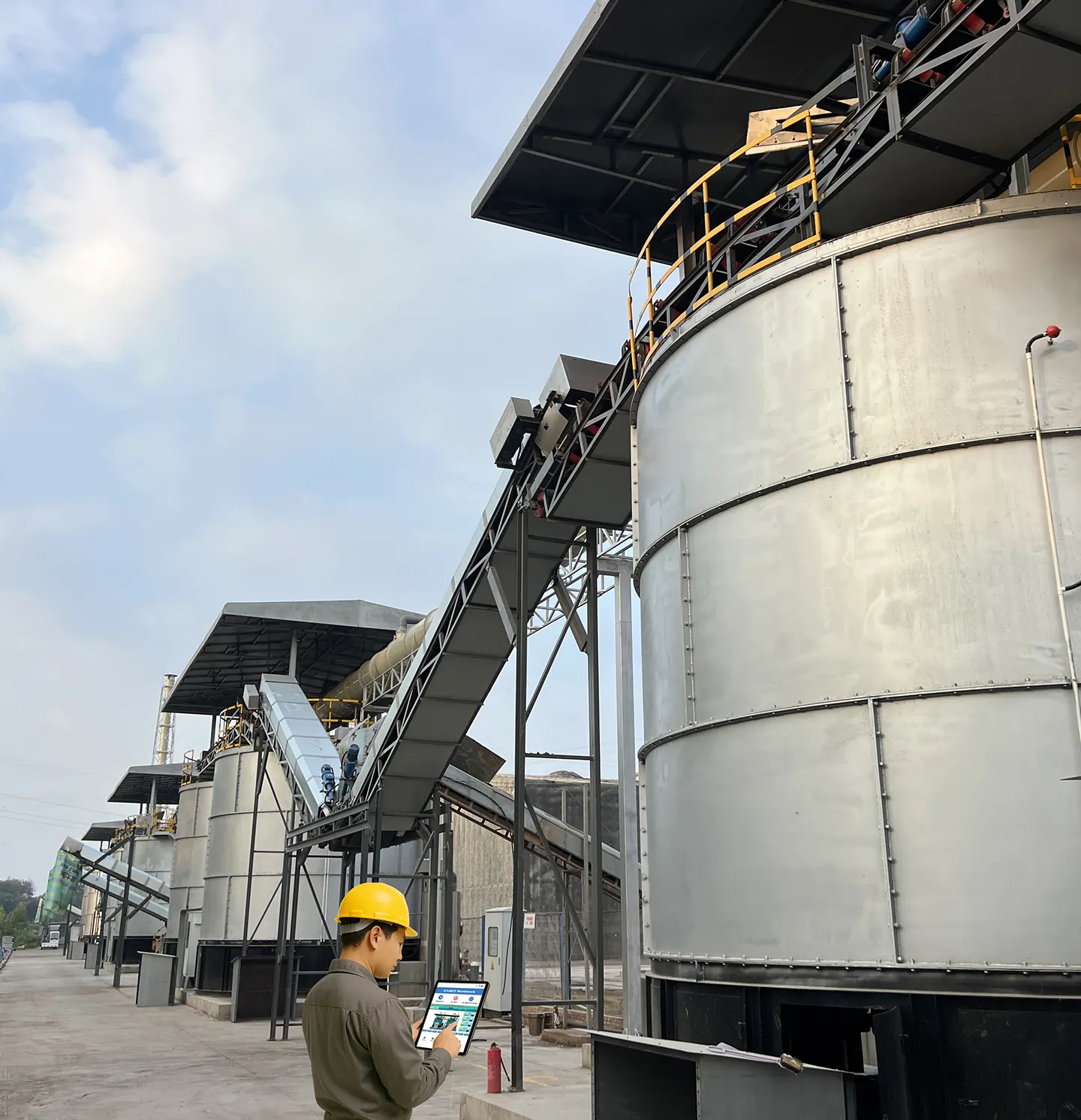
Understanding In-Vessel Composting on Farms
In-vessel composting differs from traditional open windrows in that it encloses the organic material inside a unit, speeding up decomposition and reducing emissions. Enclosed systems help minimize odor and pest problems, create uniform conditions that microbial communities thrive in, and often lead to more consistent compost quality. This makes the method ideal for operations housing livestock like pigs, where high volumes of manure and organic bedding are a constant challenge.
For pig farms, a well-designed in-vessel system ensures that manure solids are treated quickly and safely, turning waste into a resource. The resulting compost can enhance soil structure, provide nutrients for crops, and close nutrient loops on the farm.
Core Elements of a Customizable In-Vessel Composter
When designing a customizable in-vessel composter for a pig farm, several key components should be considered:
Capacity and Configuration: The unit must be sized to handle the average daily manure and bedding output. Farms with larger herds will require bigger vessels or multiple units operating in parallel to prevent bottlenecks in processing.
Aeration and Temperature Control: Effective in-vessel composting depends on consistent airflow and temperature regulation. Fans and aeration systems help maintain aerobic conditions that accelerate decomposition while minimizing odors.
Automated Monitoring: Integrating sensors and control systems can provide real-time data on temperature, oxygen levels, and moisture. This allows farm managers to make adjustments that improve efficiency without constant manual checks.
Material Handling: The design should facilitate easy loading and unloading of waste and finished compost. Conveyors, hatches, or automated augers can be fit to match the workflow of the farm.
Odor and Emission Management: Odor control systems such as centralized deodorization and sealed exhaust can help maintain compliance with environmental standards and improve the working environment.
Tailoring Features to Your Operation
A customizable system makes it possible to align the composter with specific conditions on the farm. For example, a farm might adjust the internal drum size or aeration intensity or add remote monitoring to suit seasonal variations in manure output.
Solutions such as the Cason DT-320E illustrate how modern composters can integrate advanced control systems, energy-efficient components, and odor control to support sustainable waste management in livestock operations. By focusing on capacity planning, process control, handling logistics, and emissions management, pig farms can design in-vessel compost systems that reduce waste handling challenges while producing valuable compost that contributes back to the farm’s productivity and environmental goals.