
At Cason, we understand that efficient, safe, and sustainable livestock farming goes beyond animal husbandry; it includes how a farm manages the inevitable byproducts of animal life, including mortalities. An animal carcass composting machine isn’t simply a piece of equipment; it’s a part of an integrated farm waste handling system that supports biosecurity, environmental stewardship, and operational efficiency. In this article, we explore why a livestock carcass composting machine plays a key role on modern farms and how thoughtful technology supports your goals.
Meeting Biosecurity and Environmental Standards
Livestock farms generate a range of organic waste, from daily manure to occasional animal mortalities. Left unmanaged, carcasses can become vectors for disease, attract scavengers, or create unpleasant odors. Composting is a biological process in which microbes break down organic material into a stable, nutrient-rich end product. When conducted properly, this process reaches temperatures that significantly reduce harmful pathogens, improving on basic burial or landfill disposal methods.
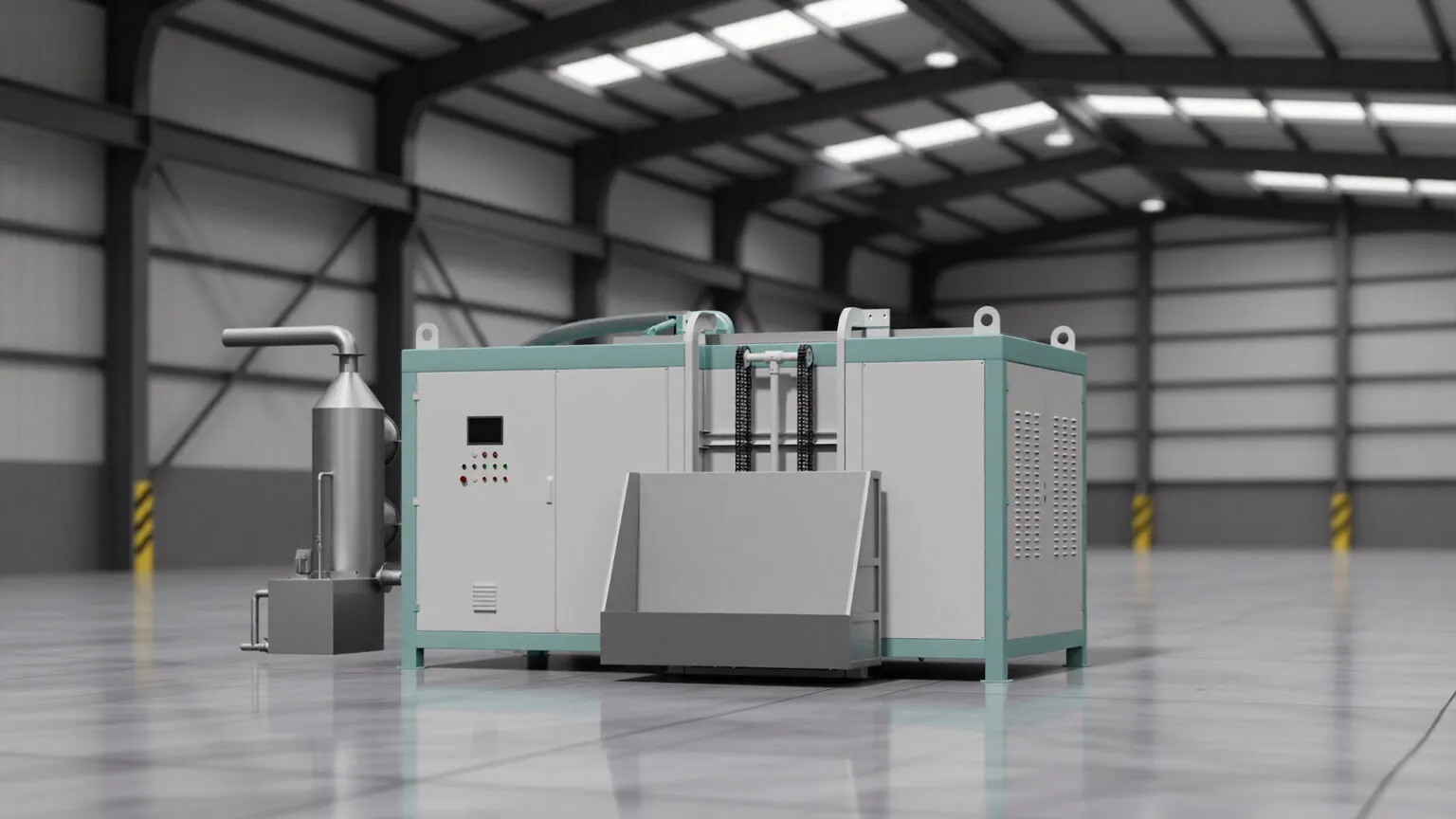
At Cason, our composting machines like the CF-2000 are designed for thorough and controlled aerobic decomposition of animal carcasses, maintaining temperatures that help ensure proper breakdown and pathogen inactivation. This controlled process aligns with farm biosecurity plans and national environmental regulations, helping farms maintain compliance while keeping operational risk in check.
Turning Waste Into a Valuable Resource
Rather than viewing mortalities as a disposal burden, modern farms can benefit from viewing them as part of a circular nutrient cycle. A livestock carcass composting machine transforms carcass material into organic compost that can be safely soil-applied or blended with other farm amendments. The result is a fertilizer rich in organic matter and plant nutrients that supports soil structure, moisture retention, and overall field productivity.
By integrating composting into waste management, farms reduce reliance on external fertilizer inputs and capture value from what would otherwise be a cost center. Organic compost produced on-site can support crop rotations, pasture renovations, or even sales to adjacent agricultural operations.
Operational Efficiency With Technology
Manual carcass disposal is labor-intensive and often inconsistent. Investing in an automated animal carcass composting machine elevates waste handling to a more predictable, manageable process. Intelligent controls monitor temperature, moisture, and aeration, reducing manual oversight while improving outcomes. Features like automatic feeding and discharge systems reduce labor demands and help farms scale sustainable practices as they grow.
The CF-2000 and other Cason composting machines also integrate deodorization systems to address odor control, which is crucial for maintaining good neighbor relations and meeting local environmental requirements.
Building a More Sustainable Farm Future
In an era when agriculture must balance productivity with environmental care, investing in composting technology supports both. Farms adopting livestock carcass composting machines gain operational flexibility, enhance on-farm nutrient recycling, and support broader environmental goals. At Cason, we’re committed to helping farms integrate this technology into their daily practices, contributing to healthier soil, reduced waste impact, and a more sustainable agricultural future.
By putting waste to work, modern farms can operate with greater resilience and responsibility, making the most of every resource available.