
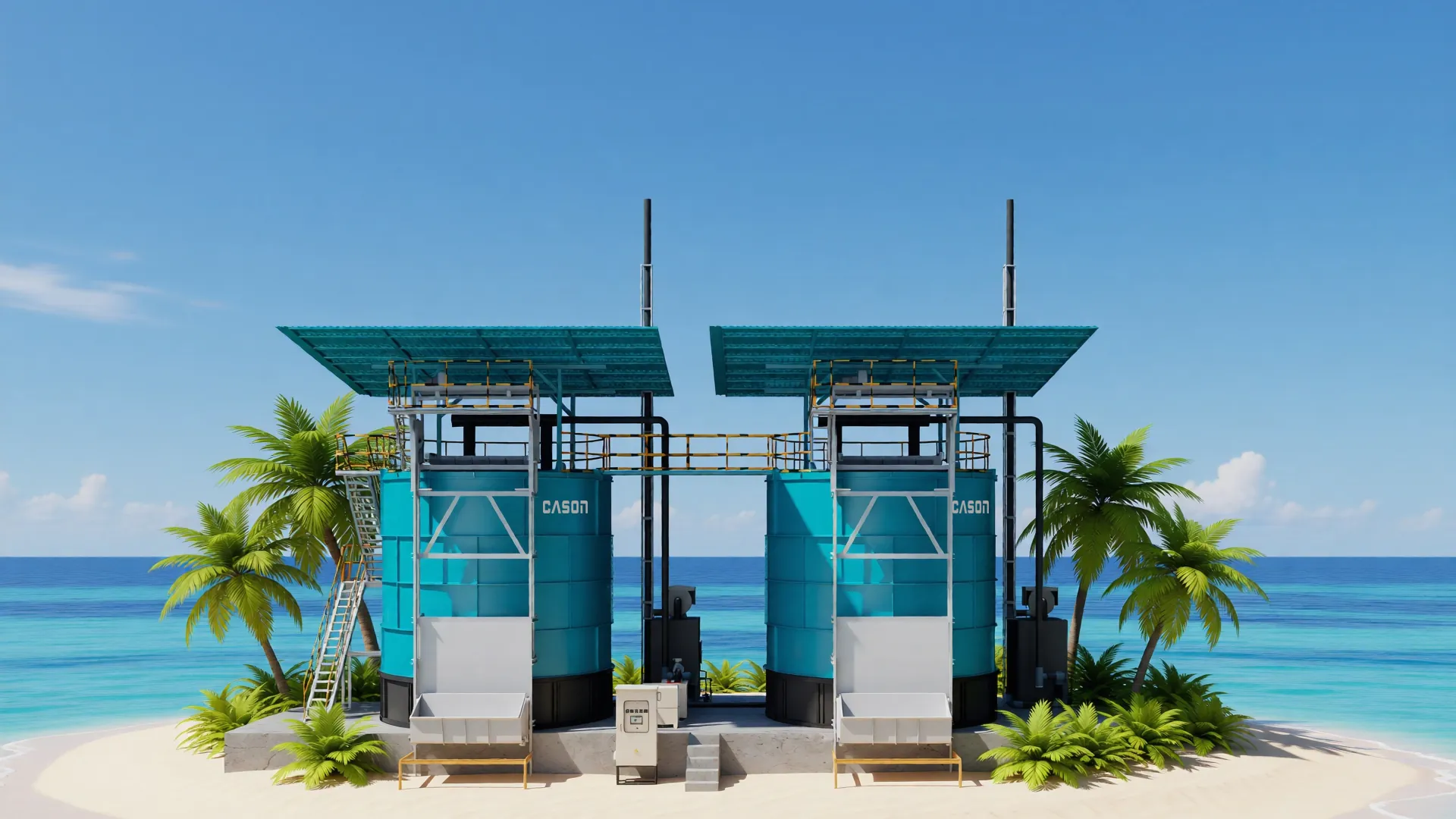
Understanding how pricing works for in-vessel composting machines is essential for businesses evaluating organic waste management solutions. These systems transform organic materials into usable compost through a controlled process in a closed environment, making them a practical investment for municipalities, farms, food processors, and waste facilities. When exploring options like the Cason in-vessel composting line, including models such as the DT-320E, decision-makers should consider several factors that directly influence cost and value.
System Capacity and Throughput
One of the most significant factors affecting in-vessel composting machine prices is capacity. Machines designed to handle larger volumes of organic waste require bigger processing chambers, more robust internal mixing mechanisms, and greater airflow management. As capacity increases, manufacturers must use heavier-duty materials and components to maintain reliability and performance. For operations generating large amounts of organic material, investing in higher-capacity units like those offered by Cason provides efficiency and reduces the need for multiple smaller machines.
Throughput expectations also play a role. Facilities that need rapid processing to turn waste into compost within tight timeframes may choose systems with enhanced aeration and agitation features. These engineered improvements can raise the price but also improve operational speed and consistency in output.
Technology and Automation
Automation and control technology integrated into in-vessel composting machines influence pricing as well. Advanced sensor systems for monitoring temperature and moisture levels, programmable controllers for regulating airflow, and automatic mixing capabilities all add layers of sophistication. This technology supports stable, repeatable composting results, reduces manual labor, and allows operators to oversee processes with greater confidence.
The Cason DT-320E model integrates digital control systems that contribute to stable performance and environmental compliance. As such, features designed to improve usability and operational oversight can factor into the overall investment but support long-term cost efficiency through reduced downtime and labor needs.
Material Quality and Build
The durability of an in-vessel composting machine is tied closely to its build quality. Choosing corrosion-resistant metals for chambers and enhanced structural engineering supports longer service life under continuous use. Premium materials and custom fabrication methods contribute to higher machine prices but translate into lower maintenance and replacement costs over time.
Manufacturers like Cason emphasize robust build standards for units such as the DT-320E to ensure they withstand varying waste compositions and continuous operational demands.
Optional Features and Customization
Additional features such as odor control systems, remote conveying interfaces, and expanded safety protections influence price. Many facilities require customization based on unique waste streams or space constraints, and tailor-made configurations can raise costs compared to standard offerings. Including optional modules that support better emissions control or enhanced monitoring can add value for businesses committed to environmental responsibility.
Choosing the Right Value
Pricing for in-vessel composting machines reflects a balance of capacity, technology, materials, and customization. Organizations evaluating systems should align their needs with long-term operational goals, considering both upfront costs and ongoing performance. At Cason, we assess each project carefully to help ensure that investments in our in-vessel composting solutions support practical waste reduction and sustainable resource management over time.