
In-vessel composting is a controlled method for processing organic waste that confines materials inside an enclosed system, such as a container, reactor, or drum. This approach stands apart from traditional open-air methods by precisely managing the key conditions that drive decomposition, including temperature, moisture, and airflow. By doing so, it supports an efficient breakdown of organic materials and produces compost that can be returned to agricultural land as a nutrient-rich soil amendment.
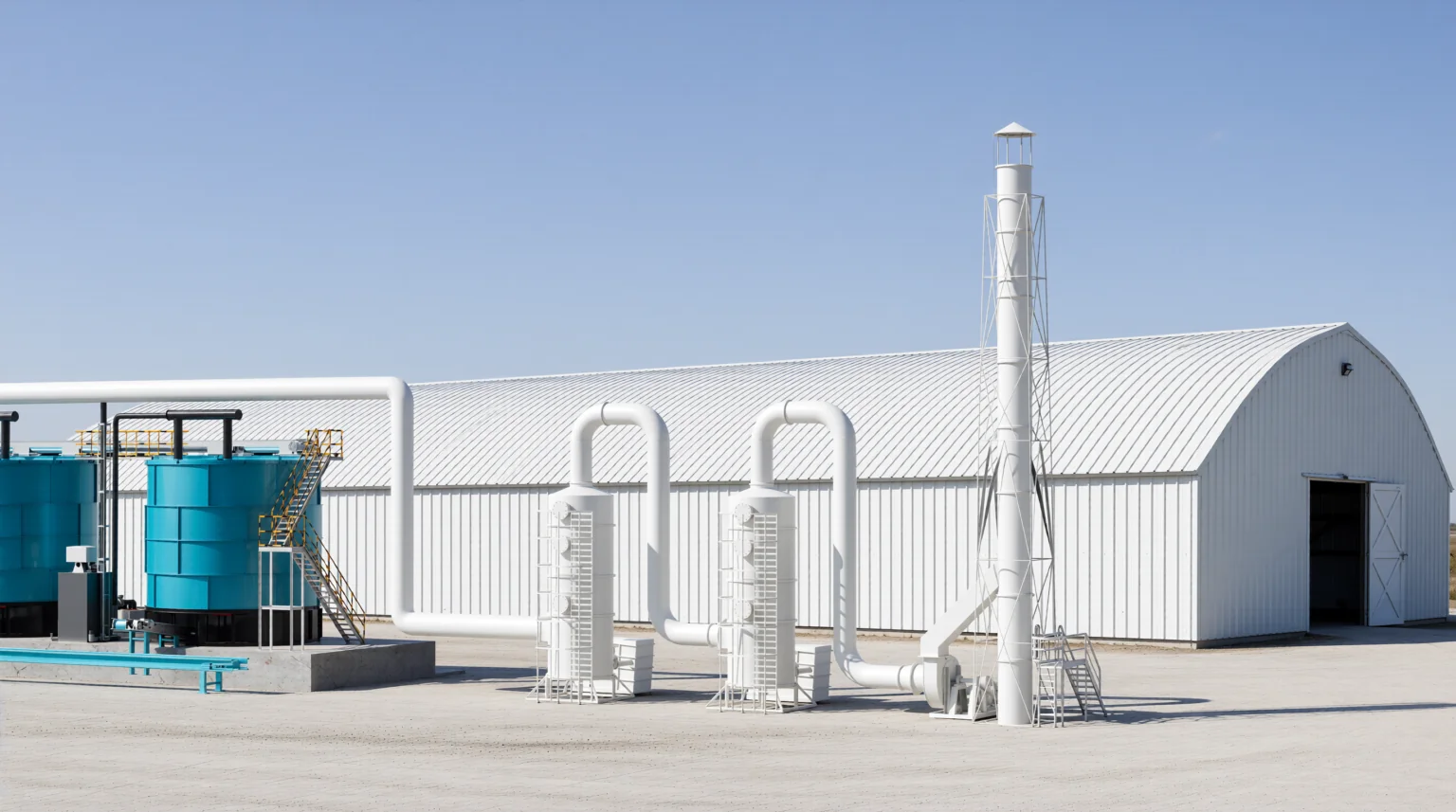
How In-Vessel Composting Works
At its core, in-vessel composting places organic waste, such as food scraps, agricultural byproducts, and manure, within a sealed vessel. Inside this controlled environment, the biological processes responsible for decomposition are optimized through mechanical and environmental controls. Fans or aeration systems introduce oxygen, probes monitor temperature and moisture, and automated mixers or augers help maintain uniform conditions throughout the material. The result is a consistent, high-quality compost produced in a significantly shorter timeframe than more traditional composting techniques.
Businesses and institutions benefit from this method because it reduces the land area required for composting and minimizes the effects of weather, odors, and pests that are often concerns with outdoor pile composting. With proper control, harmful pathogens can be reduced, producing compost that meets safety standards for agricultural reuse.
Applications of In-Vessel Composting
In-vessel composting is versatile and suitable for environments where space is limited or strict environmental standards must be maintained. Large food processors, municipal waste operations, farms, and even commercial buildings can implement these systems to manage organic waste onsite. The enclosed nature of in-vessel systems makes them practical for urban settings, where traditional composting might be constrained by zoning or neighbor concerns.
This method is also adaptable. Systems can be designed for small-scale operations or scaled up for facilities handling several tons of waste per day. Because the process is contained, it reduces odors and potential nuisance issues, helping businesses maintain good relations with their communities and comply with environmental requirements.
Integrating Technology and Waste Management
At Cason, our approach to organic waste treatment aligns closely with the principles of in-vessel composting. For example, the Cason DT-320E model is designed to handle livestock and agricultural wastes while maximizing operational efficiency and environmental performance. With features like remote conveying, energy-efficient fans, centralized odor management, and advanced control systems, this type of equipment embodies how technology can improve composting workflows and material outcomes.
Systems like the DT-320E also contribute to broader sustainability goals by converting waste into nutrient-rich organic fertilizer. This material can be reused to enrich soil, supporting agricultural productivity and closing the loop on organic waste streams.
Final Thoughts
In-vessel composting offers a practical, controlled way to manage organic waste on-site while producing a valuable end product. Whether for municipal programs, industrial operations, or agricultural enterprises, understanding the fundamentals of in-vessel composting can help organizations make informed decisions about their organic waste management strategies and environmental commitments.