
The quest for sustainable farming practices has led many producers to explore advanced solutions like the bio-organic fertilizer fermentation tower. These innovative systems present a unique opportunity for farmers aiming to enhance productivity while minimizing their environmental impact. As the agricultural landscape evolves, understanding whether investing in an organic fertilizer fermentation tank is worthwhile becomes crucial.
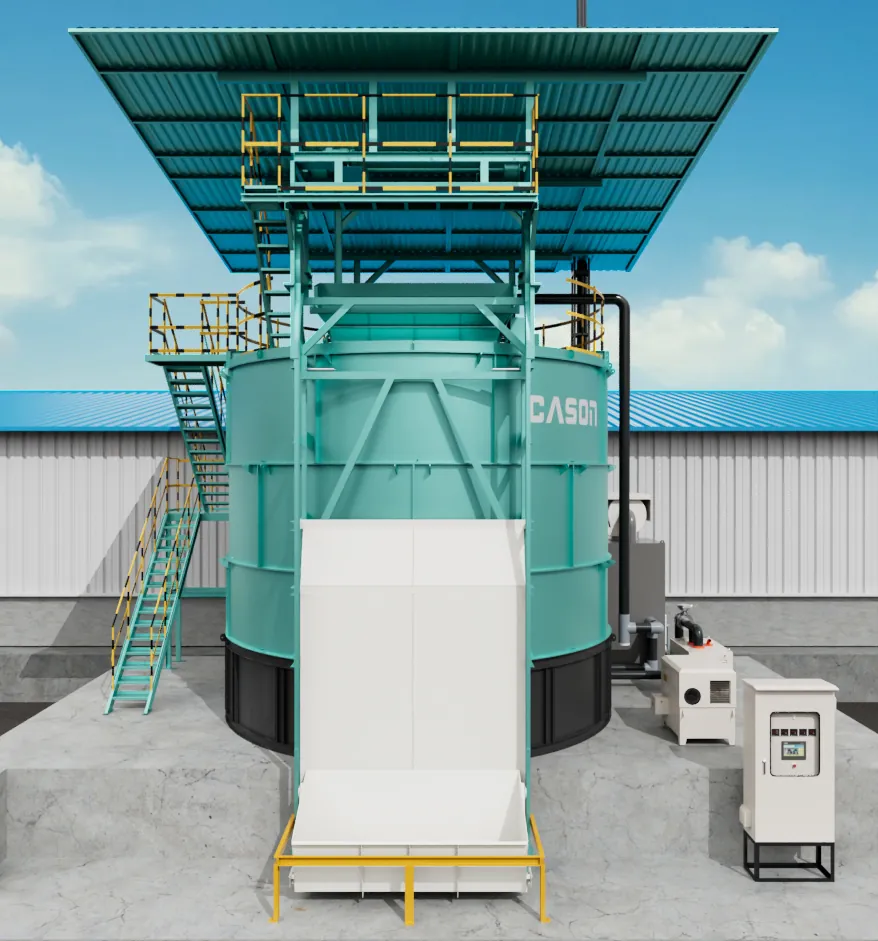
The Case for Bio-Organic Fertilizer
Bio-organic fertilizers created through processes in a fermentation tower offer significant advantages over traditional chemical fertilizers. Unlike their chemical counterparts, which can deplete soil health over time, organic alternatives nourish the earth by enhancing microbial activity and improving soil structure. Utilizing a bio-organic fertilizer fermentation tower allows farms to convert organic waste materials into high-quality fertilizer. This process not only recycles waste but enriches the soil, promoting sustainable farming practices that contribute to long-term agricultural resilience.
Moreover, adopting bio-organic fertilizers aligns with the increasing consumer demand for environmentally friendly products. By reducing reliance on synthetic inputs, farms can boost their sustainability credentials while appealing to environmentally conscious customers. An organic fertilizer fermentation tank helps meet these market expectations while also fostering healthier ecosystems.
Energy Efficiency and Cost Benefits
Investing in a bio-organic fertilizer fermentation tower can lead to substantial energy savings for agricultural operations. Cason’s organic fertilizer fermentation tanks, including the C-90E, have demonstrated remarkable energy efficiency, offering up to 40% savings compared to conventional systems. Data from farms in Vietnam, Malaysia, China, and other regions confirm that these tanks maintain exceptional fermentation efficiency while enhancing overall stability in the process.
This energy efficiency translates directly into cost savings for farmers. Lower energy consumption means reduced operational costs, thereby increasing profit margins. Furthermore, as these fermentation systems convert organic waste into usable fertilizer, farms can significantly diminish their expenses related to purchasing chemical fertilizers. The initial investment in a bio-organic fertilizer fermentation tower often yields long-term financial benefits, making it a prudent choice for businesses committed to sustainability.
A Strategic Move Towards Sustainability
The decision to invest in a bio-organic fertilizer fermentation tower represents more than just an economic choice; it’s a strategic move towards a sustainable future. With increasing regulatory pressures and consumer expectations focusing on eco-friendly practices, adopting an organic fertilizer fermentation tank positions farms favorably in a competitive market.
At Cason, we understand the importance of quality and reliability in agricultural investments. Our organic fertilizer fermentation tanks have been trusted and valued by customers globally, particularly in Vietnam and Thailand, where they have demonstrated proven performance in delivering high-efficiency solutions. As we continue to innovate in the field, we invite you to consider our C-90E as a sustainable solution for transforming organic waste into valuable resources. Together, we can pave the way for a greener and more sustainable agricultural industry that benefits both producers and the environment.