
The choice between fermentation towers and open windrow systems can significantly impact the quality of organic fertilizer produced. Both systems offer unique characteristics, but understanding their differences is crucial for businesses aiming to optimize their composting processes.
Exploring the Basics of Each System
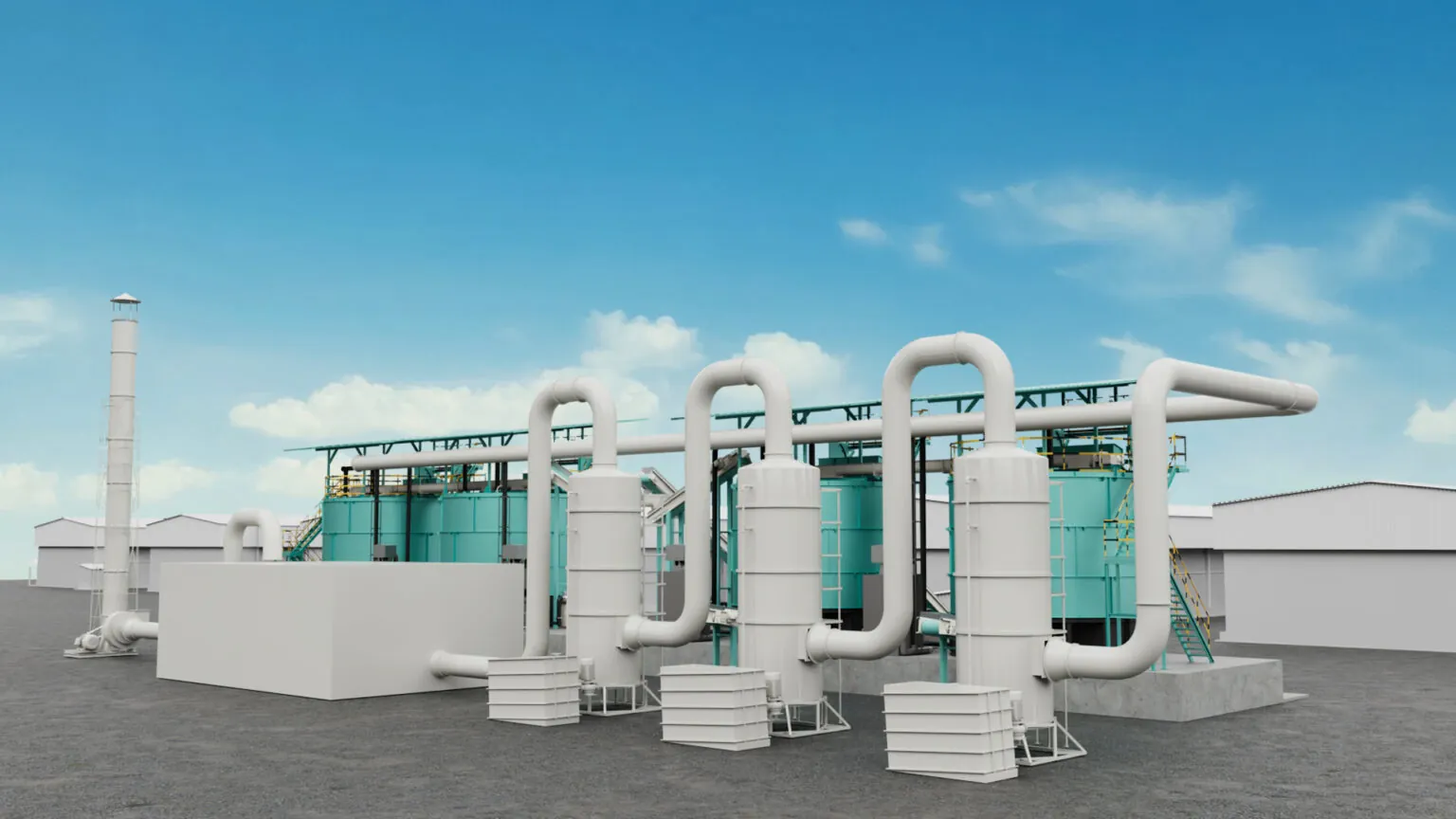
Fermentation towers, such as the Bio-organic fertilizer fermentation tower, provide a controlled environment for the aerobic fermentation of organic waste. These structures are engineered to ensure optimal conditions for microbial activity, leading to higher-quality outputs. In contrast, open windrow systems involve stacking organic waste in rows, allowing natural decomposition to occur. While this method is simpler and less expensive, it often results in variable conditions that can affect the final product.
Using an organic fertilizer fermentation tank, like the Cason C-90E, allows businesses to harness advanced technology for predictable outcomes. The fermentation tank creates a controlled atmosphere, with features that regulate temperature, moisture, and aeration, crucial for efficient fermentation.
Output Quality: A Comparative Analysis
When comparing the output quality from fermentation towers and open windrow systems, fermentation towers generally produce superior organic fertilizer. The Bio-organic fertilizer fermentation tower controls key fermentation parameters, ensuring a consistent and high-quality end product. Microbial activity is optimized in these systems, leading to faster decomposition and nutrient-rich fertilizer.
In contrast, open windrow systems often struggle with inconsistent temperatures and moisture levels, resulting in uneven quality. Variations in environmental factors can lead to the proliferation of pathogens and odors, which can compromise the safety and efficacy of the final fertilizer product.
One significant advantage of systems like the Cason C-90E is the integrated deodorization system, which treats exhaust gases separately, mitigating odor concerns. The deodorization process involves filtering odorous gases through a multi-stage system including mesh panels, filter cotton, biomass, and hollow ball filtration reactions. This meticulous approach ensures that emissions meet environmental standards, further enhancing the quality of the output.
Moving Towards Optimal Fertilizer Production
Selecting the right system for organic waste management is crucial for businesses focused on quality and sustainability. While fermentation towers such as a Bio-organic fertilizer fermentation tower may require a higher initial investment, the long-term benefits of superior output quality and reduced operational issues often outweigh these costs.
At Cason, we are dedicated to transforming organic waste into valuable resources through our advanced technology. Our organic fertilizer fermentation tank, including the C-90E, is designed to produce high-quality fertilizer efficiently while maintaining environmental compliance.
By choosing Cason’s solutions, businesses can enhance their organic waste management practices and ensure the production of top-tier fertilizer products. Together, we can lead the charge towards sustainable agriculture and effective waste reduction.