
As agriculture increasingly embraces technology, the need for efficient waste management solutions becomes more apparent. Automated organic fermentation offers a pathway to optimize resources, improve sustainability, and enhance crop production. Here are six compelling reasons why smart agriculture should incorporate automated organic fermentation systems.
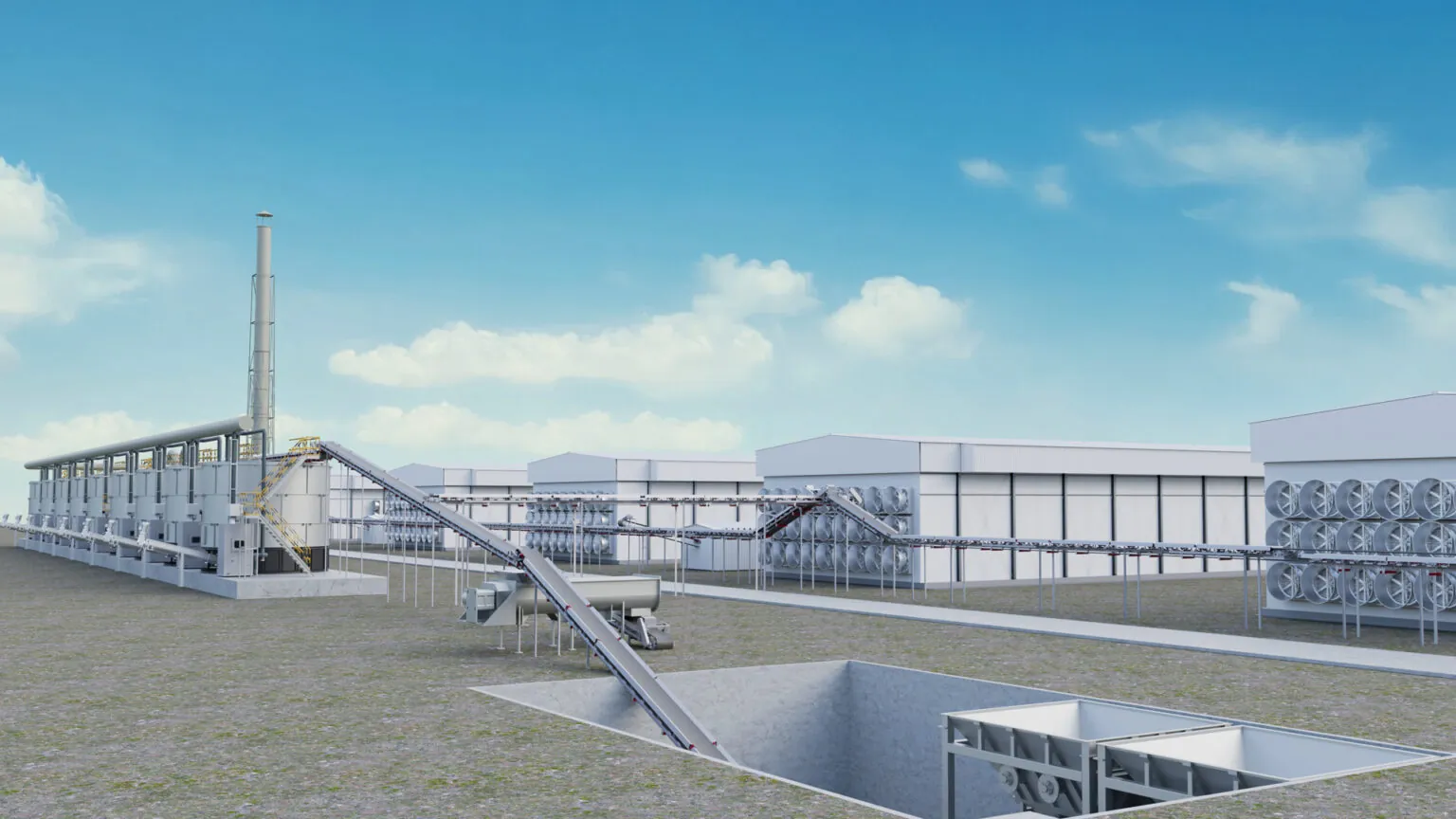
Enhanced Efficiency in Waste Management
Using an organic fertilizer fermentation tank automates the process of converting organic waste into valuable fertilizer, significantly improving efficiency. Traditional methods of managing organic waste can be labor-intensive and time-consuming. However, with advanced fermentation technology like the Cason C-90E, farmers can streamline their waste processing operations, transforming manure and crop residues into nutrient-rich fertilizers without extensive human intervention.
Improved Fertilizer Quality
An automated Bio-organic fertilizer fermentation tank provides consistent conditions for microbial activity, resulting in high-quality organic fertilizers. By ensuring optimal anaerobic fermentation conditions, the Cason C-90E helps produce fertilizers that are not only effective but also environmentally friendly. The process enhances nutrient retention, reduces odors, and eliminates pathogens, offering farmers a safe product to support healthy plant growth.
Cost Savings Through Automation
Implementing automation in organic fermentation leads to substantial cost savings over time. The Cason C-90E boasts low maintenance requirements due to its durable stainless-steel construction, which is free from moving parts. This design minimizes operational disruptions and maintenance costs while maximizing productivity, making it a smart investment for farms looking to optimize their resources.
Odor Management Solutions
Managing odors produced during fermentation is crucial for maintaining a pleasant farming environment. The Cason organic fertilizer fermentation tank includes innovative features such as biological deodorization systems, which filter and treat odorous gases before they are released. This ensures compliance with environmental regulations and creates a healthier atmosphere for both workers and livestock, enhancing overall farm operations.
Environmental Sustainability
Automated organic fermentation contributes to sustainable agricultural practices by recycling organic waste into usable products. By utilizing a bio organic fertilizer fermentation tank, farmers can significantly reduce nutrient runoff and greenhouse gas emissions associated with conventional waste disposal methods. This eco-friendly approach aligns with global sustainability goals, promoting responsible farming practices.
Access to Real-Time Monitoring and Control
One of the highlights of automated systems is their ability to integrate IoT technology, allowing for real-time monitoring and control of the fermentation process. This capability provides farmers with invaluable insights into their waste management operations, enabling them to make data-driven decisions that enhance efficiency and product quality.
Partnering for Agricultural Innovation
At Cason, we are committed to supporting the transition towards smarter agriculture through our advanced organic fertilizer fermentation tank, the C-90E. With features such as biological deodorization, cyclone dust removal, and low maintenance costs, we offer a robust solution for farmers seeking effective and sustainable waste management. Together, let’s embrace innovation and redefine the future of agriculture with automated organic fermentation systems that benefit both the land and our communities.