
For businesses that manage food waste on a large scale, odour control is a key concern. Kitchens in hotels and institutions, food processing plants, supermarkets, and waste management facilities all generate organic waste that can produce unpleasant smells if not processed properly. Choosing the right commercial compost machine with advanced odour mitigation systems not only improves working conditions but also supports compliance with environmental and health regulations. A commercial food waste composting machine equipped with effective odour control enhances operational efficiency and reduces complaints from staff and neighboring communities.
Why Odour Management Matters
When organic material such as vegetable peels, fruit scraps, and meal leftovers decompose, anaerobic conditions can develop and release strong odours. These smells can impact employee morale, discourage visitors, and attract pests if not managed effectively. Odour issues also raise concerns for environmental regulators who monitor air quality near waste handling areas. For businesses that process food waste on site, addressing odour is both a practical necessity and a professional responsibility.
A quality composting machine ensures that aerobic conditions remain dominant throughout the decomposition process. Maintaining adequate airflow, controlling temperature, and managing moisture levels helps prevent the production of foul odours. When a composting system circulates air efficiently, it supports beneficial microbial activity and reduces the formation of odorous compounds.
Key Odour Control Features in Composting Systems
Effective odour control starts with system design. Commercial compost machines rely on balanced airflow through ventilation systems to supply oxygen and prevent anaerobic pockets that cause odours. Advanced machines often include internal fans that direct air through the composting chamber and out through filtration systems. This circulation supports consistent aerobic breakdown of organic material and helps keep smells in check.
Filtration systems play an important role in odour management. Components such as activated carbon filters, biofilters, and exhaust scrubbers trap or neutralize odorous molecules before they disperse into the surrounding environment. Choosing a machine with integrated filtration ensures that odour mitigation is built into the processing cycle rather than added as an afterthought.
Control systems that monitor temperature and moisture also contribute to odour control. By keeping these parameters within optimal ranges, the composting process remains stable and aerobic. Automated control panels allow operators to adjust ventilation and moisture levels in real time, minimizing conditions that could otherwise lead to smell issues.
Selecting the Right Equipment and Support
When sourcing a commercial food waste composting machine, facility managers should evaluate both the odour control technologies and the supplier’s support services. Providers that offer comprehensive technical documentation and responsive assistance help businesses integrate composting systems into their workflows with fewer setbacks. Maintenance access for filters and ventilation components is another factor that influences long-term performance and odour management success.
Practical Odour Control for Facilities
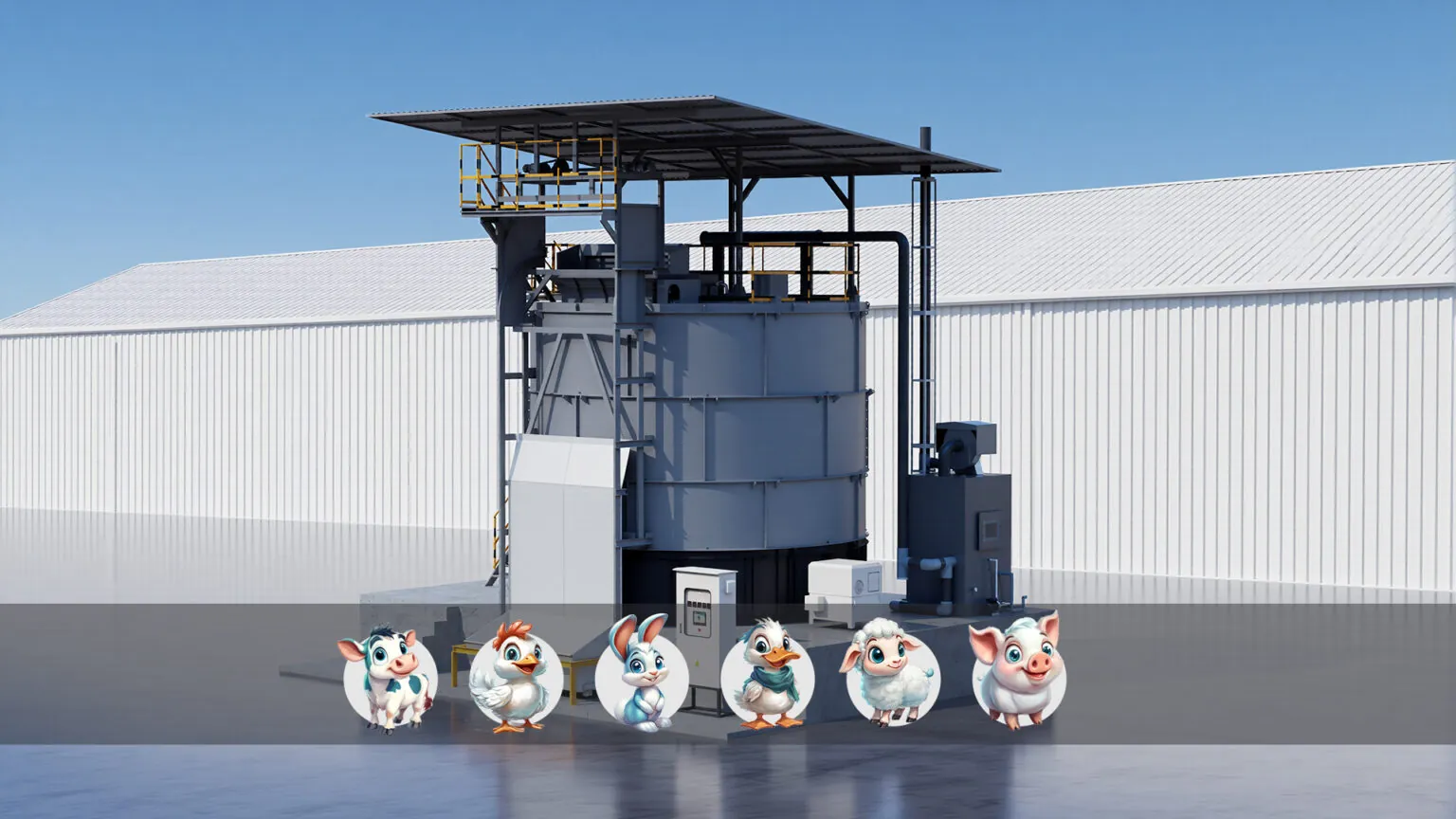
For organizations focused on improving on-site composting, models like the Cason C-160E commercial food waste composting machine offer built-in odour control features designed for high-volume operations. This system combines effective airflow, filtration options, and automated monitoring to help facilities process organic waste while minimizing odour concerns. Choosing a composting solution with strong odour management capabilities supports better working environments and contributes to broader sustainability goals.