
In the face of increasing regulatory pressures and the need for sustainable waste management practices in agriculture, using an animal carcass composting machine has emerged as a vital solution for livestock operations. At Cason, we understand the intricacies involved in safely operating a mortality composter machine. This guide aims to provide clear steps to ensure safe and effective operation, helping us all manage livestock waste in an environmentally friendly manner.
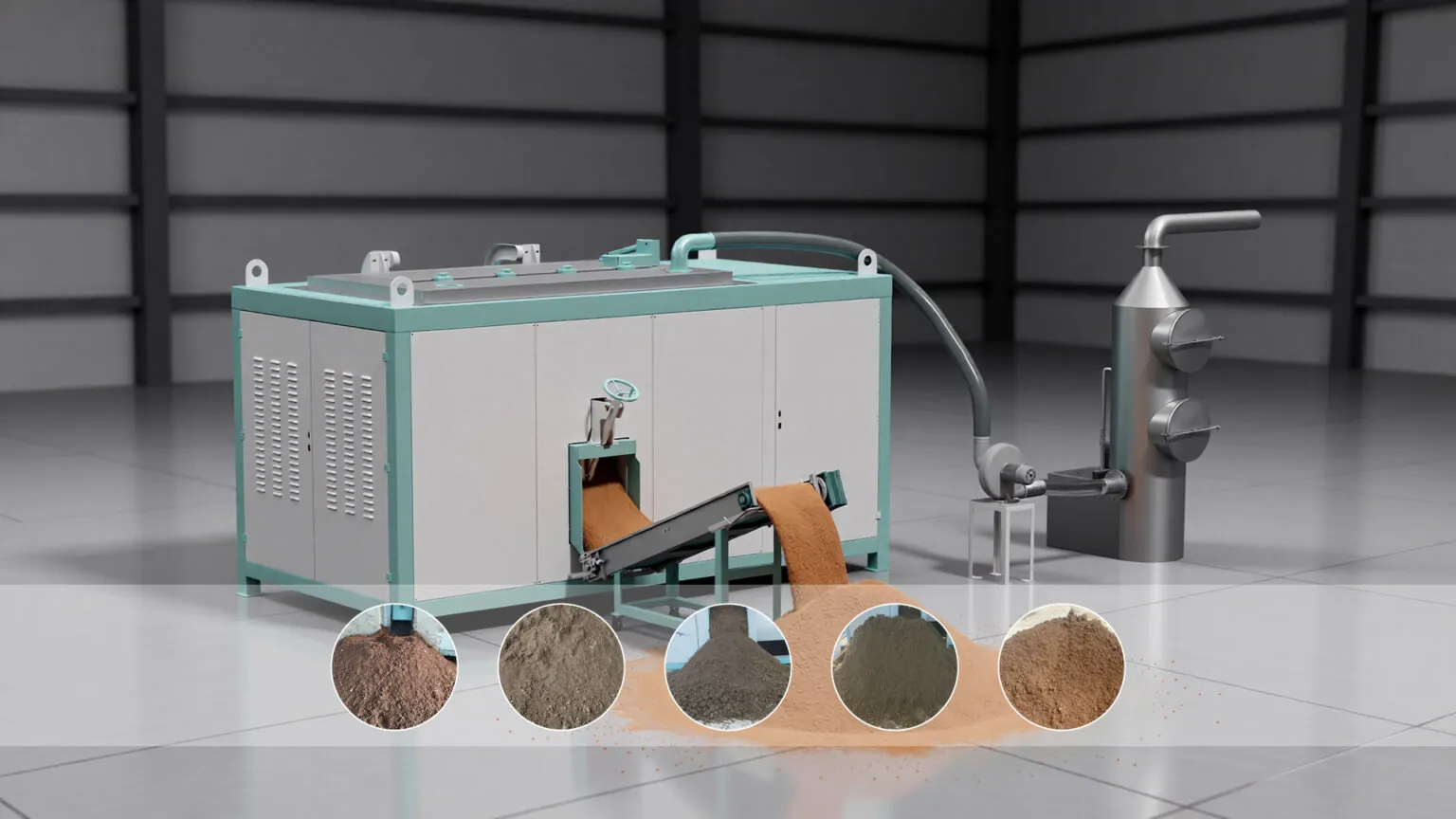
Step 1: Familiarize Yourself with the Equipment
Before operating the mortality composter machine, it is essential to read and understand the manufacturer’s manual. This document offers valuable insights into the machine’s specifications, safety features, and operational guidelines. At Cason, we emphasize the importance of becoming familiar with each component and its function to ensure smooth operation.
Step 2: Conduct a Pre-Operation Inspection
Before each use, we should perform a comprehensive inspection of the composter. Check for any signs of damage, wear, or malfunction. Pay attention to the electrical control system and ensure that all switches, sensors, and alarm systems are functioning correctly. This step is crucial for preventing accidents and ensuring that the machine operates at optimal efficiency.
Step 3: Prepare the Work Area
Creating a safe work environment is essential. We must ensure that the area around the mortality composter machine is clean and free from obstacles. Establishing a designated zone for operation not only enhances safety but also improves efficiency. Make certain that personal protective equipment (PPE) like gloves and masks are readily available and worn as necessary.
Step 4: Load the Carcasses Properly
When loading animal carcasses into the mortality composter machine, we should do so in accordance with the guidelines provided in the manual. Even weight distribution is vital for proper operation. Ensure that the carcasses are placed in a way that allows for effective aeration, which is critical to the composting process.
Step 5: Start the Machine
With the area prepared and carcasses loaded, we can turn on the machine. The Cason mortality composter machine features an intuitive control system that allows for easy operation. Carefully follow the startup procedure outlined in the manual. Monitor the system for any irregularities during the initial operation phase, ensuring everything functions as intended.
Step 6: Monitor the Composting Process
As the composter operates, we should remain vigilant. The machine’s design, including its energy-efficient fan and centralized deodorization system, works to regulate airflow and minimize odors. Regularly check the temperature and moisture levels if the machine includes these monitoring features. Maintaining optimal conditions is essential for effective composting and pathogen elimination.
Step 7: Unload and Store the Finished Compost
Once the composting cycle is complete, we must safely unload the processed material. Ensure that we are equipped with appropriate tools to avoid any accidents during this step. The organic fertilizer produced is nutrient-rich and safe for agricultural use. Proper storage of the final product is vital to maintain its quality until it is ready for application.
Using an animal carcass composting machine like Cason‘s mortality composter machine not only helps us manage livestock waste effectively but also fosters sustainable agricultural practices. By following these operational steps, we can ensure safe handling and maximize the benefits of composting, ultimately contributing to a healthier environment and improved soil quality. Embracing these practices positions us for a more sustainable future in agriculture.