
Poultry farms generate large volumes of organic waste, including manure, litter, and poultry mortalities. If this waste is not managed properly, it can become a source of pathogens that threaten flock health, environmental safety, and farm productivity. Livestock waste recycling offers a practical approach to reducing these risks while converting waste into a useful agricultural resource.
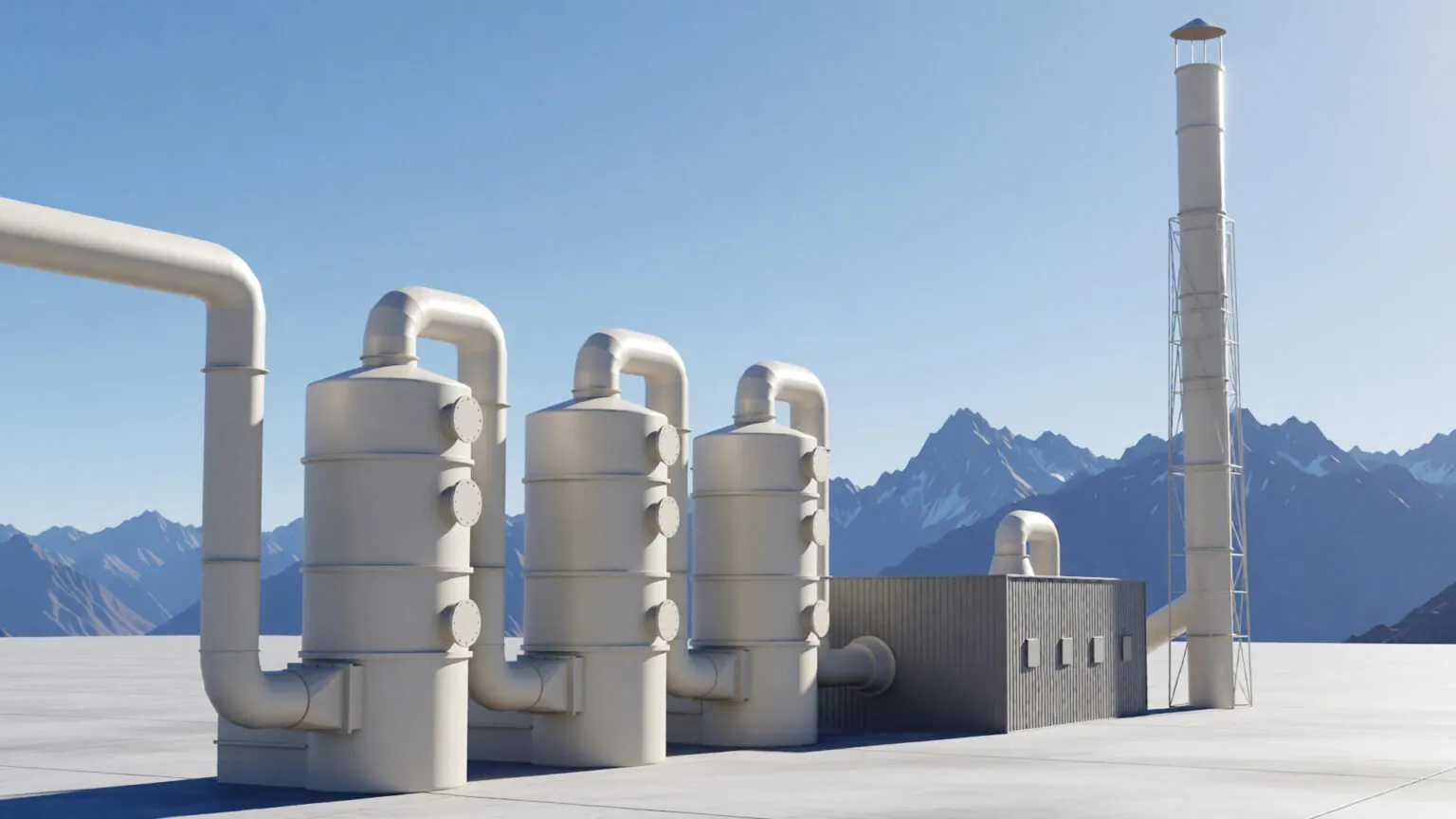
Through controlled composting and fermentation processes, a poultry composting machine allows farms to process organic waste safely and efficiently. At Cason, we develop equipment designed to support livestock waste recycling on poultry farms, helping producers manage waste while strengthening farm biosecurity.
The Pathogen Risks Associated With Poultry Waste
Raw poultry manure and litter may contain microorganisms such as Salmonella, fecal coliform bacteria, and other pathogens. When poultry waste accumulates in open areas or is stored improperly, these microorganisms can spread through soil, air, insects, and farm equipment.
This spread increases the risk of disease transmission between birds and can affect nearby agricultural environments. In addition, untreated poultry waste may carry antibiotic-resistant bacteria and other contaminants that create environmental concerns.
Effective livestock waste recycling systems are therefore essential for poultry operations that want to maintain healthy flocks and stable production conditions.
Composting Technology Reduces Pathogens
A poultry composting machine plays a key role in pathogen control by creating the conditions required for safe composting. Controlled temperature, oxygen levels, and moisture allow microorganisms to break down organic materials efficiently.
During the composting process, temperatures typically rise to between 55°C and 65°C. These thermophilic conditions significantly reduce harmful bacteria and pathogens in poultry litter. Studies show that properly managed in-vessel composting can eliminate bacteria such as fecal coliform and Listeria while producing a stable organic fertilizer.
High-temperature composting also helps destroy viruses and reduce disease risks associated with poultry mortality and manure management.
Improving Biosecurity on Poultry Farms
Livestock waste recycling also contributes to improved farm biosecurity. When waste is processed directly on site using enclosed composting systems, the need for transporting contaminated materials off the farm is reduced.
This approach lowers the chance of introducing pathogens from external sources and helps contain potential disease outbreaks within the farm environment. Composting systems can also reduce odors, limit insect breeding, and prevent runoff contamination, all of which support healthier poultry housing conditions.
By managing waste in a controlled environment, farms create a safer cycle from waste generation to resource recovery.
Supporting Sustainable Poultry Production With Cason
At Cason, we design equipment that supports efficient livestock waste recycling for poultry operations of different sizes. Our systems help farms process manure and organic waste through controlled fermentation and composting methods.
A reliable poultry composting machine allows poultry producers to convert waste into stable compost that can be reused as organic fertilizer in agriculture. This recycling approach reduces environmental pressure while supporting circular farm management.
Livestock waste recycling is becoming an important part of modern poultry farming. By transforming waste into a useful resource and reducing pathogen risks, farms can maintain better biosecurity while improving sustainability. With Cason composting solutions, poultry producers gain a practical tool for cleaner, safer, and more efficient waste management.